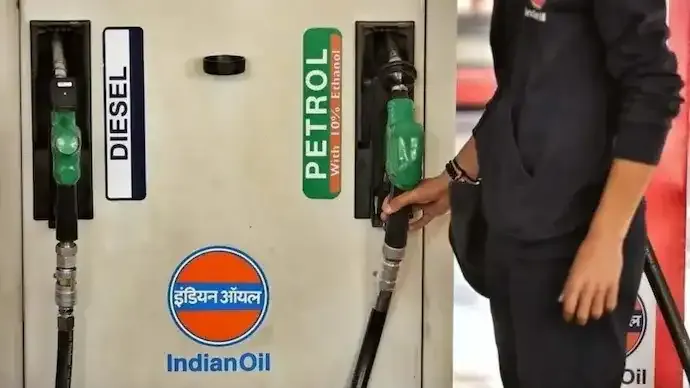
As India accelerates its transition towards ethanol-blended petrol, a new concern is emerging among car and two-wheeler owners: what happens if E20 fuel damages an older vehicle, and will insurance companies cover the repair costs?
The issue has gained attention after insurers highlighted that claims involving E20-related damage may not always be straightforward, particularly for vehicles not designed to operate on higher ethanol blends.
For millions of vehicle owners, the uncertainty has sparked questions about policy coverage, manufacturer recommendations, and potential financial risks.
What Is E20 Fuel?
E20 refers to petrol blended with 20% ethanol and 80% conventional fuel.
The government has promoted ethanol blending as part of efforts to:
-
Reduce oil imports
-
Improve energy security
-
Lower carbon emissions
-
Support the agricultural sector
While many newer vehicles are designed to be compatible with E20 fuel, some older vehicles may not be fully equipped to handle prolonged use of higher ethanol blends.
Why Are Vehicle Owners Concerned?
Owners of older vehicles have reported concerns such as:
-
Reduced fuel efficiency
-
Engine performance issues
-
Corrosion of fuel system components
-
Rubber and plastic part degradation
-
Higher maintenance costs
Automobile experts note that ethanol can interact differently with engine components compared to conventional petrol, particularly in vehicles not designed for E20 compatibility.
Can Insurance Cover E20-Related Damage?
The answer depends largely on the nature of the damage and the specific terms of the insurance policy.
Motor insurance policies are generally designed to cover:
-
Accidental damage
-
Theft
-
Natural disasters
-
Fire-related losses
-
Third-party liabilities
However, insurance policies often exclude damage resulting from:
-
Mechanical wear and tear
-
Gradual deterioration
-
Negligence
-
Improper vehicle usage
-
Manufacturer-restricted operations
This is where E20-related claims become complicated.
Why Insurers May Scrutinize Such Claims
Insurance companies typically investigate the cause of damage before approving a claim.
If damage is found to have resulted from:
-
Long-term fuel incompatibility
-
Improper maintenance
-
Use of fuel not recommended by the manufacturer
-
Gradual component degradation
the claim may fall outside standard policy coverage.
Insurers generally distinguish between sudden accidental damage and gradual mechanical deterioration.
Manufacturer Guidelines Could Be Crucial
One of the most important factors in determining claim eligibility may be the manufacturer's fuel compatibility recommendations.
If a vehicle manufacturer specifies that a model is not compatible with E20 fuel, insurers could consider that information while assessing a claim.
Vehicle owners are therefore advised to check:
-
Owner manuals
-
Manufacturer advisories
-
Fuel compatibility guidelines
-
Service centre recommendations
before switching to higher ethanol blends.
Wear and Tear Is Usually Excluded
Most motor insurance policies do not cover normal wear and tear.
This means that if ethanol-related issues develop gradually over time, insurers may classify the damage as maintenance-related rather than accidental.
Examples often excluded from coverage include:
-
Engine wear
-
Corrosion
-
Aging components
-
Fuel system deterioration
Such repairs are typically borne by the vehicle owner.
What Insurers Are Saying
Insurance industry experts indicate that every claim is assessed individually.
The outcome often depends on:
-
Cause of damage
-
Vehicle age
-
Policy wording
-
Technical inspection reports
-
Manufacturer specifications
As a result, there is no universal rule that guarantees either approval or rejection of E20-related claims.
How Vehicle Owners Can Protect Themselves
Experts recommend several precautions:
Verify Compatibility
Confirm whether the vehicle is approved for E20 fuel use.
Maintain Service Records
Keep detailed maintenance and service documentation.
Follow Manufacturer Advice
Use fuel types recommended by the vehicle manufacturer.
Read Insurance Policy Terms
Understand exclusions and limitations related to mechanical damage.
Report Issues Early
Address fuel-related problems before they lead to major damage.
E20 Transition Brings New Challenges
India's ethanol blending programme offers significant economic and environmental benefits, but it also creates practical challenges for owners of older vehicles.
As the transition continues, greater clarity from insurers, manufacturers, and regulators may be necessary to address consumer concerns regarding liability and coverage.
Understanding Policy Terms Is Essential
For now, vehicle owners should not assume that all E20-related damage will automatically be covered under insurance.
Claims involving ethanol-linked mechanical issues are likely to be evaluated carefully based on policy conditions and technical evidence.
As E20 adoption expands across the country, understanding both vehicle compatibility and insurance coverage will become increasingly important for motorists seeking to avoid unexpected repair costs.
Prev Article
Strait of Hormuz Reopens: Will Petrol, Diesel and LPG Prices Fall in India?
Next Article
Bank of Japan Raises Interest Rates to 31-Year High Amid Rising Oil Prices and Inflation Concerns