The FIFA World Cup 2026 has produced thrilling matches, dramatic upsets, stunning goals, and unforgettable moments. However, one of the tournament's most talked-about topics has not been a player or a team. Instead, it is FIFA's new mandatory hydration break rule, which has sparked intense debate among fans, players, coaches, and football analysts.
Introduced primarily to protect players from extreme weather conditions, the mandatory cooling breaks have become one of the most controversial changes of the tournament. While some view the rule as a necessary measure for athlete welfare, others argue it disrupts the natural rhythm of football and creates additional commercial opportunities for broadcasters and sponsors.
Why FIFA Introduced Hydration Breaks
The 2026 FIFA World Cup is being played across multiple venues in North America, where several matches are taking place under challenging weather conditions and high temperatures.
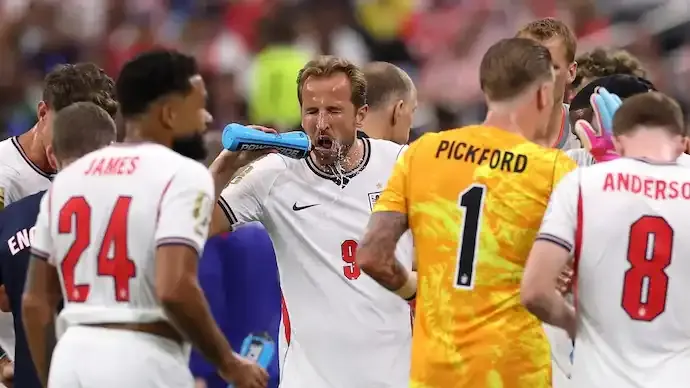
To reduce the risk of heat-related illnesses and physical exhaustion, FIFA introduced mandatory hydration breaks lasting approximately three minutes in each half under specific temperature thresholds. The objective is to ensure player safety and maintain performance levels throughout the match.
Medical experts have generally supported measures that prioritize athlete health, especially during high-intensity competitions where dehydration can significantly impact physical performance.
Coaches See Tactical Advantages
While hydration breaks were designed for health reasons, many coaches have quickly recognized their tactical value.
The short stoppages provide managers with additional opportunities to communicate directly with players, adjust formations, discuss strategies, and address problems emerging during the match. In many cases, these breaks effectively function as mini team talks during live play.
Several coaches have welcomed the extra opportunity to influence games without waiting until halftime, especially during closely contested matches.
Fans Question Impact on Match Flow
Despite the health benefits, many supporters have expressed frustration with the interruptions.
Football has traditionally been celebrated for its continuous action and uninterrupted flow. Critics argue that mandatory breaks can disrupt momentum, reduce intensity, and interrupt exciting passages of play. Some fans believe the pauses take away from the spontaneity that makes football unique compared to many other sports.
The debate has become particularly intense on social media, where supporters remain divided over whether the benefits outweigh the disruption.
Advertising and Broadcast Benefits Under Scrutiny
Beyond player welfare and tactics, another aspect of the discussion involves the commercial value of hydration breaks.
The additional stoppages provide broadcasters with opportunities to show advertisements, promotional content, and sponsor messaging. Critics argue that while player safety remains the official justification, commercial stakeholders also benefit from the extra break periods.
Supporters of the rule counter that the primary purpose remains athlete protection and that any commercial benefits are secondary outcomes rather than the main objective.
Balancing Player Safety and Football Tradition
The controversy highlights a broader challenge facing modern football: balancing player welfare with the traditions and expectations of the sport.
As football becomes faster, more physically demanding, and increasingly global, governing bodies are under growing pressure to adapt rules that protect athletes competing in different climates and conditions.
At the same time, fans remain protective of the sport's core identity and often resist changes that alter the flow of matches.
Will Hydration Breaks Become a Permanent Feature?
The success or failure of the hydration break experiment could influence FIFA's future decisions regarding player welfare regulations. If the measure is viewed as beneficial for athlete health without significantly harming the viewing experience, it could become a more common feature in major international tournaments.
For now, the debate continues. Some see hydration breaks as an essential step forward for player safety, while others view them as unnecessary interruptions that change the character of the game.
One thing is certain: FIFA's hydration break rule has become almost as discussed as the football itself during the 2026 World Cup.
Prev Article
Neeraj Chopra Returns in Doha Diamond League 2026, Eyes Strong Comeback After Injury Setback
Next Article
How Curaçao's Historic World Cup Goal Sparked a Debate on Football, Identity and Nationhood