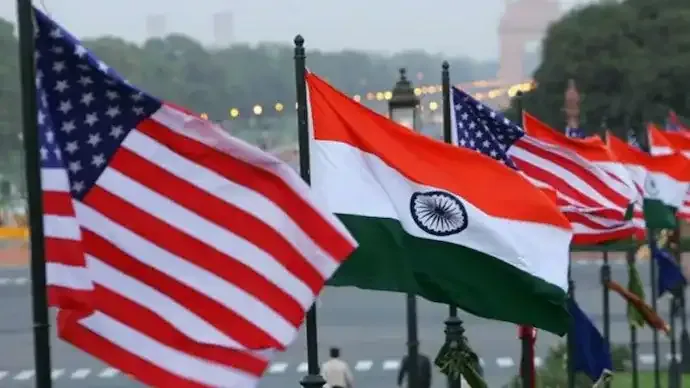
India and the United States are preparing for another important round of trade negotiations as both countries move closer to finalising the first phase of their proposed Bilateral Trade Agreement (BTA). Senior officials from both sides are expected to meet on June 23 and 24 in discussions that could significantly influence the future of economic relations between the world's largest and fastest-growing major economies.
The upcoming negotiations are being viewed as a key step toward strengthening trade ties, reducing market barriers and creating a more predictable business environment for companies operating in both countries.
High-Level Trade Talks Scheduled for June 23-24
According to government officials, representatives from the Office of the United States Trade Representative (USTR) will travel to India for discussions with Commerce and Industry Minister Piyush Goyal and senior Indian trade officials.
The two-day meeting is expected to focus on finalising the first tranche of the proposed bilateral trade agreement, which has been under negotiation for several months.
Commerce Secretary Rajesh Agrawal confirmed that both countries are working toward concluding the initial phase of the pact while continuing discussions on broader trade issues.
The outcome of these talks could determine the pace and direction of future negotiations on the larger trade framework.
First Phase of Trade Deal Enters Final Stage
Officials familiar with the discussions indicate that negotiations on the first tranche have entered a critical stage.
Both countries are seeking common ground on several trade-related issues, including market access, tariff structures, regulatory standards and non-tariff barriers.
The first phase is expected to address a range of sectors where businesses have sought greater clarity and improved access to each other's markets.
Trade experts believe that successfully concluding the initial package could build momentum for a more comprehensive agreement covering additional sectors in the future.
India Seeks Greater Tariff Certainty
One of India's primary objectives in the negotiations is securing greater predictability regarding tariffs and trade measures that affect exports to the United States.
Indian exporters have frequently expressed concerns about additional duties and trade restrictions that can impact competitiveness in the American market.
Government officials are expected to push for a framework that provides long-term certainty for exporters while helping businesses plan investments and expand international trade opportunities.
Reducing uncertainty is considered especially important for sectors such as manufacturing, engineering goods, pharmaceuticals, textiles and agriculture.
Trade Relationship Continues to Grow
India and the United States have emerged as increasingly important economic partners over the past decade.
Bilateral trade between the two countries has expanded significantly, supported by growing cooperation in technology, manufacturing, services, defence, energy and digital commerce.
Both governments have repeatedly expressed their commitment to strengthening economic ties and increasing two-way trade volumes in the coming years.
The proposed trade agreement is expected to serve as a foundation for deeper commercial engagement and investment cooperation.
Market Access and Trade Barriers on the Agenda
A major focus of the upcoming discussions will be market access and the removal of barriers that businesses often face when entering foreign markets.
Companies from both countries have raised concerns about regulatory hurdles, standards requirements and administrative procedures that can complicate trade.
Negotiators are expected to discuss ways to simplify market access while ensuring that domestic economic interests remain protected.
Analysts believe progress in these areas could unlock significant opportunities for businesses on both sides.
Global Importance of India-US Economic Cooperation
The negotiations are taking place against a backdrop of shifting global supply chains and increasing efforts by countries to diversify trade partnerships.
India and the United States are increasingly viewed as strategic economic partners with complementary strengths across multiple industries.
A successful trade agreement could enhance economic resilience, encourage investment flows and strengthen supply chain cooperation between the two nations.
Global investors are closely watching the discussions, viewing them as an indicator of future economic collaboration between two major global economies.
What Happens Next?
Following the June 23-24 discussions, negotiators are expected to review progress and determine whether the first tranche can be formally concluded.
If successful, both countries could move forward with additional phases of negotiations aimed at creating a broader and more comprehensive trade framework.
Officials remain optimistic that continued dialogue and cooperation will help resolve outstanding issues and deliver mutually beneficial outcomes.
The upcoming India-US trade talks represent a crucial moment in the evolving economic partnership between the two nations. As negotiators work to finalize the first phase of the proposed Bilateral Trade Agreement, businesses and investors will be watching closely for signs of progress.
A successful outcome could pave the way for stronger trade relations, increased market access and greater economic cooperation between India and the United States in the years ahead.
Prev Article
Government Raises Windfall Tax on Diesel and ATF Exports Amid West Asia Tensions and Rising Oil Prices
Next Article
KPMG Withdraws AI Report After Fake Case Studies Surface, Raising Fresh AI Reliability Concerns