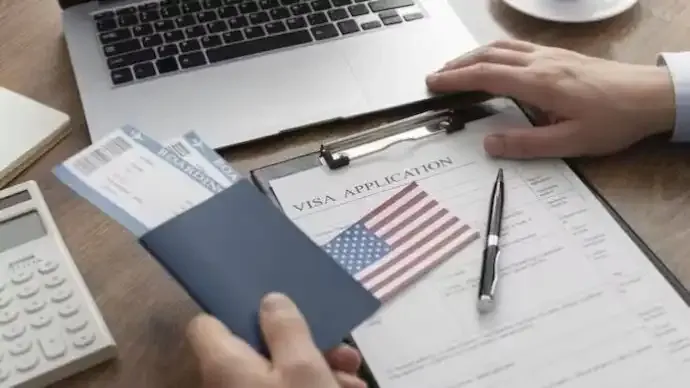
A growing number of H-1B visa applicants are encountering a challenging question during US visa interviews: "Why can't an American do this job instead of you?" Immigration experts say the question is becoming increasingly common as authorities intensify scrutiny of employment-based visas and place renewed emphasis on protecting domestic workers.
The trend has raised concerns among skilled professionals, particularly from India, who rely heavily on the H-1B visa program to work in the United States. Legal experts believe the development reflects broader policy priorities focused on ensuring that foreign workers are hired only when specialized skills are genuinely required.
New Question Emerging in H-1B Visa Interviews
According to immigration attorneys, visa officers are increasingly asking applicants to explain why their position cannot be filled by a qualified American worker.
The question is reportedly appearing in interviews across various industries, including technology, engineering, healthcare, finance and research sectors.
Applicants who expected routine discussions about their qualifications, employer or work assignments are now being asked to justify the necessity of their role within the broader US labor market.
Experts say many applicants are caught off guard because the question goes beyond personal qualifications and focuses on workforce economics and labor market needs.
Focus on Protecting US Workers
Immigration analysts believe the trend reflects a renewed emphasis on safeguarding employment opportunities for American citizens.
The H-1B visa program was originally designed to help US employers hire highly skilled foreign professionals when suitable domestic talent was unavailable. As a result, officials appear to be paying closer attention to whether employers are genuinely facing skill shortages.
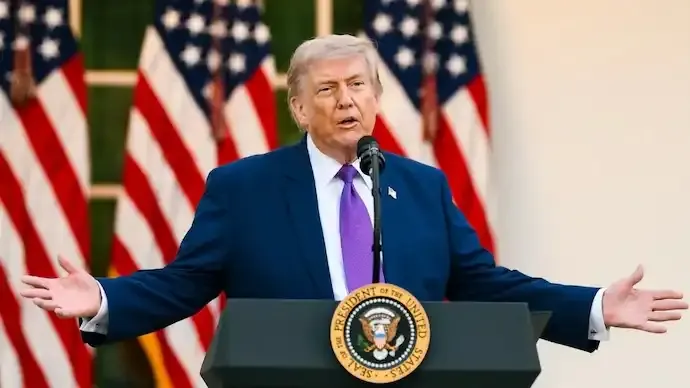
Observers note that the approach mirrors policies associated with President Donald Trump and the "Buy American, Hire American" agenda, which prioritized employment opportunities for US workers and stricter oversight of work visa programs.
While the H-1B program remains active, increased scrutiny suggests authorities want stronger evidence that foreign workers are filling specialized positions rather than replacing available domestic talent.
Why Indian Professionals Are Paying Attention
Indian nationals account for the majority of H-1B visa recipients each year, making changes to interview procedures especially significant for Indian applicants.
Thousands of professionals working in software development, artificial intelligence, engineering, data science, healthcare and financial services depend on the program for employment opportunities in the United States.
Any increase in visa scrutiny has the potential to affect applicants, employers and recruitment strategies across multiple industries.
As a result, immigration lawyers are advising applicants to prepare more thoroughly for interviews and understand how their skills contribute to their employer's business needs.
How Applicants Can Prepare
Immigration experts recommend that H-1B candidates be ready to clearly explain the specialized nature of their role and the qualifications required to perform it.
Applicants should be familiar with:
-
Their job responsibilities
-
Their employer's business operations
-
Project details and work assignments
-
Technical skills required for the position
-
Educational qualifications linked to the role
-
Why the position requires specialized expertise
Lawyers emphasize that applicants should answer honestly and confidently while avoiding speculation about labor market conditions.
The focus should remain on explaining the complexity and uniqueness of the role rather than making broad claims about workforce shortages.
Increased Documentation Review
Apart from interview questions, immigration attorneys report heightened scrutiny of supporting documents.
Applicants are being advised to ensure that all paperwork is accurate, consistent and up to date. Any discrepancies between employment records, job descriptions and visa petitions could attract additional questions during the review process.
Employers sponsoring H-1B workers are also expected to provide detailed documentation demonstrating the specialized nature of the position.
Impact on US Employers
The changing interview landscape may also affect American companies that depend on international talent.
Technology firms, research institutions and multinational corporations often use the H-1B program to recruit highly skilled professionals for roles requiring advanced expertise.
If visa approvals become more difficult, some businesses may face challenges filling specialized positions, particularly in emerging sectors such as artificial intelligence, cybersecurity and advanced engineering.
Industry groups continue to argue that access to global talent remains important for innovation and economic growth.
Future of the H-1B Program
While no major structural changes to the H-1B visa program have been announced, immigration experts believe interview practices could continue evolving as authorities refine enforcement priorities.
Applicants are encouraged to stay informed about policy developments and prepare thoroughly for all aspects of the visa process.
As immigration policies remain a key topic in US politics, employment-based visa programs are likely to remain under close scrutiny.
The increasingly common question, "Why can't an American do this job?" has become a defining feature of many H-1B visa interviews. Immigration experts say the trend reflects a broader effort to prioritize American workers while ensuring that foreign professionals are hired only for genuinely specialized positions.
For aspiring H-1B applicants, preparation, documentation and a clear understanding of their role may be more important than ever as US visa scrutiny continues to intensify.