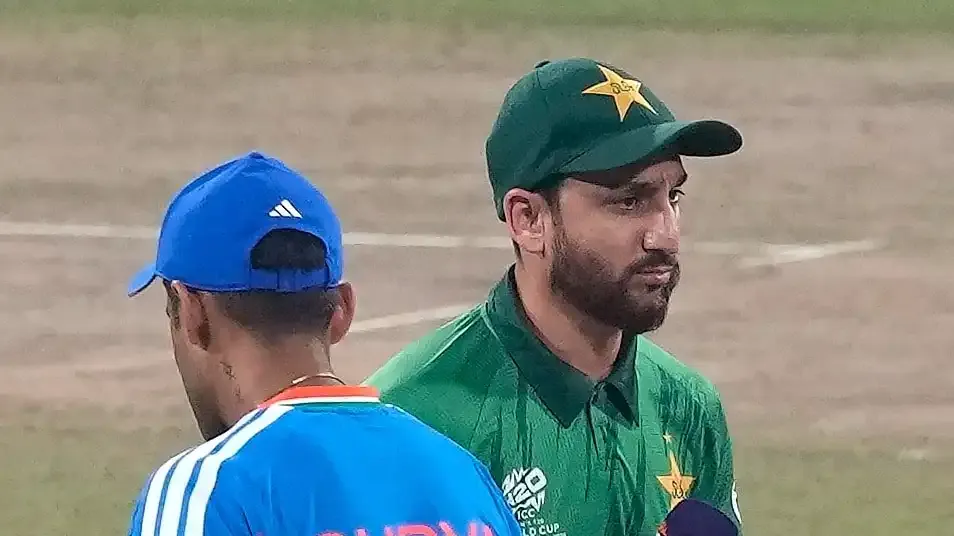
India delivered a commanding performance to defeat Pakistan by 61 runs in a high-stakes T20 World Cup encounter at the R Premadasa Stadium in Colombo. Pakistan’s decision to bowl first after winning the toss proved costly, as teams chasing targets at the venue have struggled throughout the tournament.
Colombo’s pitch conditions had consistently favored teams batting first. Earlier matches saw chasing sides falter, including strong teams that failed to overhaul targets. Despite clear trends and historical patterns suggesting batting first as the safer option, Pakistan opted to field — a decision that shifted momentum even before the first ball was bowled.
India capitalized on the opportunity by posting a strong total, continuing a trend of dominance at the venue whenever they cross the 150-run mark. Pakistan needed an exceptional bowling effort to restrict India to a modest score but were unable to execute their plans effectively.
India’s Strong Start Sets the Tone
Pakistan briefly found hope when Abhishek Sharma was dismissed early, offering a chance to build pressure. However, that opportunity slipped away as Ishan Kishan took control of the innings. Pakistan delayed introducing a key bowling option until the 11th over, by which time Kishan had already accelerated the scoring and given India a decisive advantage.
Kishan’s aggressive approach in the powerplay dismantled Pakistan’s early strategy. He reached a rapid half-century, shifting the momentum firmly in India’s favor and allowing the batting side to build a formidable total.
Bowling Strategy and Selection Questions
Pakistan’s bowling attack struggled to maintain control, particularly during the middle overs. While one of their bowlers delivered an economical spell later in the innings, the damage had already been done.
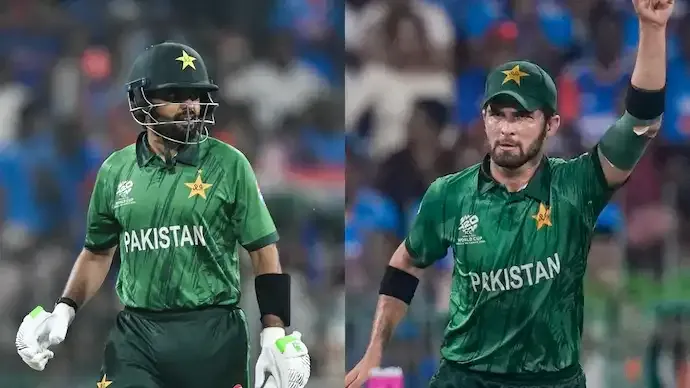
Concerns also emerged around the continued reliance on Shaheen Shah Afridi despite a difficult run of form. On a surface where bowlers had found assistance, his economy rate remained high, allowing India to accelerate at crucial moments. His over-reliance on the inswing delivery and inconsistency in line and length proved costly in the fast-paced T20 format.
Meanwhile, another left-arm pace option with an impressive recent record remained on the bench, raising questions about team selection and tactical decisions.
Pakistan Face Must-Win Situation
The defeat pushed Pakistan to third place in Group A, significantly increasing pressure ahead of their must-win clash against Namibia on February 18. With qualification for the Super 8 stage at stake, Pakistan must regroup quickly and address tactical shortcomings.
Namibia, already eliminated from the tournament, will enter the match without pressure — a factor that can make them unpredictable opponents. Pakistan, on the other hand, must contend with the psychological burden of potential early elimination and memories of past exits.
While the loss to India cannot be reversed, Pakistan’s campaign remains alive. To stay in contention, the team must adapt to match conditions, refine their playing combination, and execute strategies with clarity and precision.
India’s emphatic victory not only reinforces their dominance in high-pressure encounters but also highlights the importance of tactical awareness and decision-making in tournament cricket.
Prev Article
Anushka Sharma Virat Kohli Airport Look: Couple Stuns in Elegant White Style
Next Article
Shahid Afridi Calls to Drop Babar, Shaheen and Shadab After India Defeat