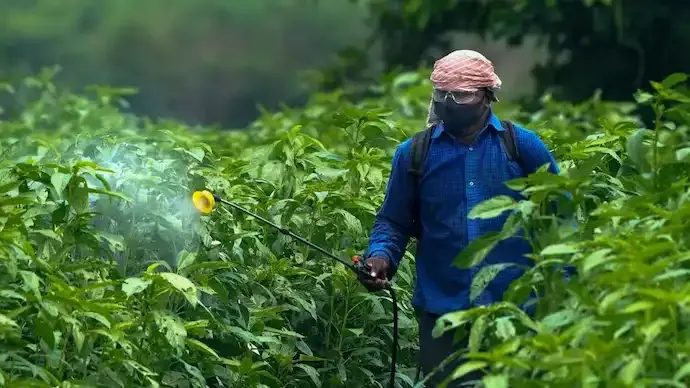
For decades, monocrotophos has remained at the center of one of India's most controversial agricultural and public health debates. While more than 100 countries have either banned or severely restricted the pesticide, it continues to be used in parts of India despite repeated concerns from health experts, environmentalists and safety advocates.
The controversy surrounding monocrotophos goes beyond agriculture. It raises broader questions about public health, regulatory oversight, corporate influence and the pace of policy reforms in one of the world's largest farming economies.
What Is Monocrotophos?
Monocrotophos is a highly toxic organophosphate insecticide widely used to control pests in crops such as cotton, rice, sugarcane, vegetables and pulses.
Developed during the Green Revolution era, the chemical gained popularity because of its effectiveness against a broad range of agricultural pests. For years, farmers relied on monocrotophos as an affordable solution to protect crops and improve yields.
However, scientific studies and field experience gradually revealed the severe risks associated with the pesticide.
Today, the chemical is classified by the World Health Organization as a highly hazardous pesticide due to its toxicity to humans, animals and the environment.
Why Is Monocrotophos Considered Dangerous?
Monocrotophos affects the nervous system and can cause serious poisoning if inhaled, swallowed or absorbed through the skin.
Exposure can lead to symptoms such as:
-
Breathing difficulties
-
Excessive sweating
-
Muscle weakness
-
Nausea and vomiting
-
Seizures
-
Loss of consciousness
-
In severe cases, death
Agricultural workers are particularly vulnerable because of direct exposure during mixing and spraying operations.
Health experts have repeatedly warned that improper handling, lack of protective equipment and inadequate awareness significantly increase the risks faced by farmers and farm laborers.
Banned in More Than 100 Countries
Over the years, many countries have phased out monocrotophos due to concerns about human safety and environmental damage.
Several governments concluded that the risks associated with the pesticide outweighed its agricultural benefits.
The chemical has been banned or heavily restricted across large parts of Europe, North America and numerous other regions worldwide.
These decisions were often based on scientific evidence linking monocrotophos to accidental poisonings, wildlife deaths and broader ecological concerns.
Why Has India Not Completely Banned It?
The debate over monocrotophos in India has persisted for years.
Successive governments and regulatory authorities have periodically reviewed the pesticide's safety profile. Multiple expert committees have been established to examine scientific evidence, industry concerns and agricultural requirements.
Critics argue that repeated reviews and consultations have delayed decisive action. According to policy observers, proposals for stricter restrictions have often been followed by additional evaluations, creating a lengthy regulatory process.
Supporters of stronger regulation contend that these delays have allowed continued production and sale of the pesticide despite growing concerns from health and environmental experts.
Industry Versus Public Health Debate
The monocrotophos controversy reflects a broader tension between agricultural productivity and public health.
Agricultural stakeholders argue that pesticides remain important tools for protecting crops and ensuring food security. Some farming groups have expressed concerns that immediate bans could increase costs and reduce pest-control options for farmers.
On the other hand, health advocates emphasize the human consequences of continued exposure to highly hazardous chemicals.
They argue that safer alternatives are increasingly available and that protecting human lives should take precedence over commercial considerations.
The debate continues to divide policymakers, industry representatives and public health experts.
Impact on Farmers and Rural Communities
The burden of pesticide-related risks often falls disproportionately on farmers and rural workers.
Many agricultural laborers operate in environments where access to protective equipment, safety training and healthcare services may be limited.
Experts note that accidental poisoning cases continue to be reported in various agricultural regions, highlighting the need for stronger safety measures and awareness programs.
Advocates for reform argue that reducing dependence on hazardous pesticides could improve long-term health outcomes in rural communities.
Push Toward Safer Agriculture
India has increasingly explored alternatives such as integrated pest management, biological controls and safer pesticide formulations.
Government agencies, agricultural universities and research institutions have promoted methods aimed at reducing chemical dependency while maintaining crop productivity.
Many experts believe the future of Indian agriculture lies in balancing food production needs with environmental sustainability and human safety.
The monocrotophos debate is likely to remain an important part of that conversation.
Growing Calls for Regulatory Reform
Public health advocates continue to call for stricter oversight of hazardous pesticides.
Many believe India should align more closely with international safety standards and accelerate the transition toward safer agricultural practices.
Supporters of reform argue that stronger regulations, improved farmer education and access to safer alternatives can help reduce health risks without compromising agricultural productivity.
The issue has increasingly become a matter of public policy, environmental protection and rural welfare.
Monocrotophos remains one of the most debated pesticides in India. While it has been banned in more than 100 countries and classified as highly hazardous by global health authorities, it continues to be used in parts of the country amid ongoing regulatory discussions.
The controversy highlights the complex challenge of balancing agricultural needs, economic interests and public health. As India continues to modernize its farming sector, the future of monocrotophos is likely to remain a key issue in the broader debate over sustainable and safe agriculture.