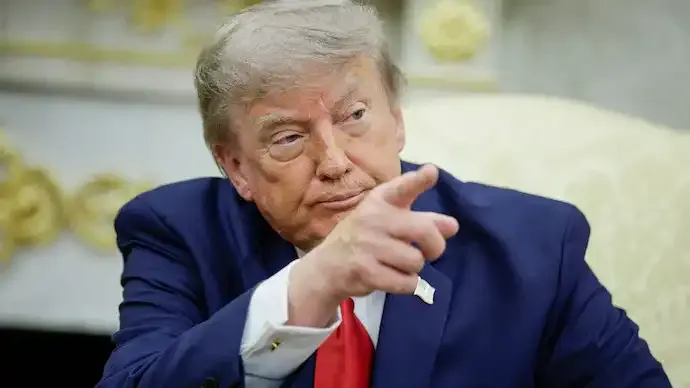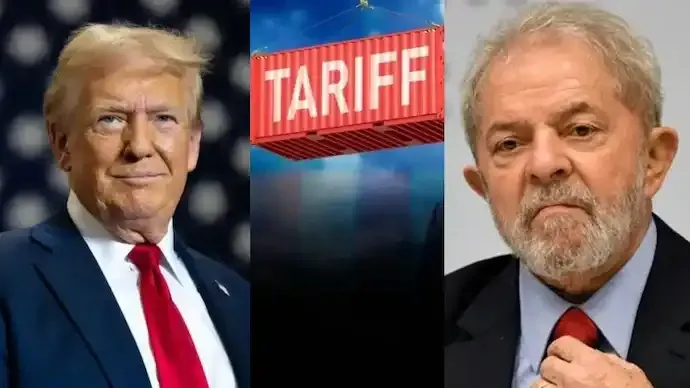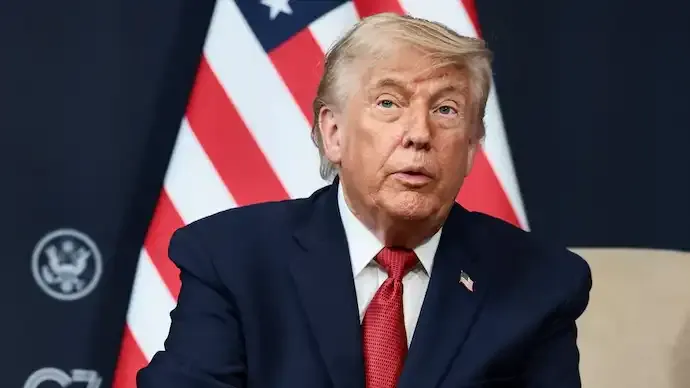
US President Donald Trump has warned that countries introducing digital services taxes (DSTs) on American technology companies could face 100% tariffs on goods exported to the United States.
The announcement signals a renewed escalation in global trade tensions, particularly with countries that have introduced or are considering taxes on the revenues of major US-based digital companies.
What Did Trump Announce?
In a statement shared on social media, President Trump declared that any country imposing a digital services tax on American businesses would face immediate trade retaliation.
He stated:
"Any country that imposes such a tax will immediately be met with a 100% tariff on any and all goods sent to the United States of America."
The warning reflects the administration's position that digital services taxes unfairly discriminate against American technology firms.
Why Is the US Opposing Digital Services Taxes?
Several countries have introduced or proposed digital services taxes to ensure large multinational technology companies pay taxes on revenues generated within their borders.
The United States has consistently argued that these taxes disproportionately affect American firms, many of which dominate the global technology sector.
US officials maintain that international tax rules should be developed through broader multilateral agreements rather than unilateral national measures.
Digital Tax Dispute Returns to the Spotlight
The latest announcement revives a long-running disagreement between the United States and several trading partners over digital taxation.
Countries in Europe and other regions have explored or implemented digital services taxes aimed at major online businesses operating in their markets.
The issue has remained a recurring source of trade friction in recent years.
What Are Digital Services Taxes?
A digital services tax (DST) is a levy imposed on revenues generated from certain digital activities, including:
- Online advertising.
- Digital marketplaces.
- Social media platforms.
- Search engines.
- Other digital services.
Supporters argue these taxes help ensure multinational technology companies contribute fairly to national tax systems.
Critics contend they can lead to double taxation and disproportionately affect companies headquartered in specific countries.
Possible Impact on Global Trade
If implemented, the proposed tariffs could have wide-ranging implications, including:
- Increased trade tensions.
- Higher costs for exporters.
- Pressure on ongoing trade negotiations.
- Greater uncertainty for global businesses.
- Potential retaliatory measures from affected countries.
Analysts say such developments could influence international commerce and investment decisions.
What Happens Next?
It remains to be seen whether the tariff threat will lead to formal trade measures or encourage further negotiations on digital taxation.
Governments involved in the dispute may continue discussions through bilateral channels and international forums to seek a long-term solution.
Any future action would depend on policy decisions by the countries concerned and the evolution of trade negotiations.
Conclusion
President Donald Trump's warning of 100% tariffs against countries imposing digital services taxes marks a significant escalation in the ongoing debate over how multinational technology companies should be taxed. As governments around the world continue to modernise tax systems for the digital economy, the issue is likely to remain a key topic in international trade and economic policy discussions.
FAQs
1. What did Donald Trump announce?
President Trump warned that countries imposing digital services taxes on US companies could face 100% tariffs on exports to the United States.
2. What is a digital services tax?
A digital services tax is a levy on revenue generated by certain online services, including digital advertising, online marketplaces and social media platforms.
3. Why is the US opposed to these taxes?
The US argues that many digital services taxes disproportionately target American technology companies.
4. Which countries have considered digital services taxes?
Several European countries and other jurisdictions have introduced or proposed such taxes, although policies vary by country.
5. Would the tariffs take effect immediately?
The statement outlines the administration's position, but any implementation would depend on future policy and legal processes.
6. Why is this issue important?
The dispute could affect global trade, international tax policy, technology companies and economic relations between major economies.