
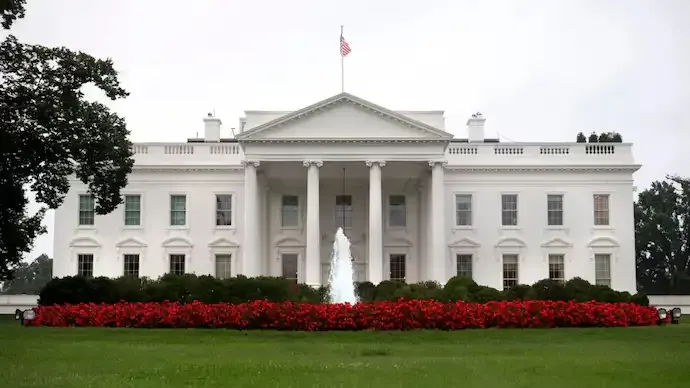
As tensions rise in the Middle East, a growing number of analysts believe the United States may be stepping into a familiar historical pattern — one that has led past global powers toward decline.
The ongoing conflict with Iran, including operations like Operation Epic Fury, is now being viewed through a broader historical lens.
The “Cyclical Trap” of Great Powers
Experts, including Fareed Zakaria, argue that great powers often follow a similar trajectory:
-
Rise through innovation and economic strength
-
Expand influence globally
-
Engage in costly peripheral conflicts
-
Gradually weaken due to overextension
This pattern has been seen in empires like Britain and others throughout history.
Echoes of the Past
The current US involvement in Iran reflects some of these warning signs:
-
Increased military engagement far from home
-
Rising economic and strategic costs
-
Diversion of focus from domestic priorities
Analysts suggest that such moves can strain even the most powerful nations over time.
Rising Costs and Risks
The Iran conflict is already showing signs of escalation:
-
Higher military expenditure
-
Growing risk of nuclear tensions
-
Disruptions to global trade and energy supply
These factors could create long-term challenges beyond immediate military objectives.
The Middle East Factor
Historically, prolonged involvement in the Middle East has proven complex for global powers:
-
Deep-rooted regional conflicts
-
Unpredictable political dynamics
-
Difficulty in achieving quick resolutions
This makes the region particularly challenging for sustained external intervention.
Strategic Overreach Concerns
Critics argue that the US may be:
-
Overestimating short-term gains
-
Underestimating long-term consequences
-
Repeating mistakes seen in past conflicts
The concern is not just about the present war, but its lasting geopolitical impact.
A Broader Warning
The idea of a “cyclical trap” serves as a warning:
-
Power alone does not guarantee stability
-
Strategic discipline is crucial for long-term dominance
-
History often repeats when lessons are ignored
What Lies Ahead
The coming months will be critical in determining whether:
-
The US adjusts its strategy
-
The conflict escalates further
-
Global powers shift their positions
A Moment of Reflection in Global Politics
The current situation is more than a regional conflict — it is a test of how modern superpowers navigate history, strategy, and global responsibility.


Conversation
Be kind and stay on topic. Comments are moderated; abuse, spam and personal attacks are removed. Report a problem