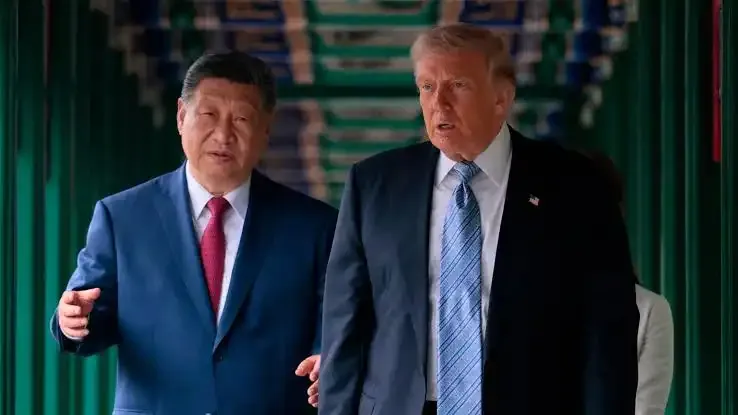
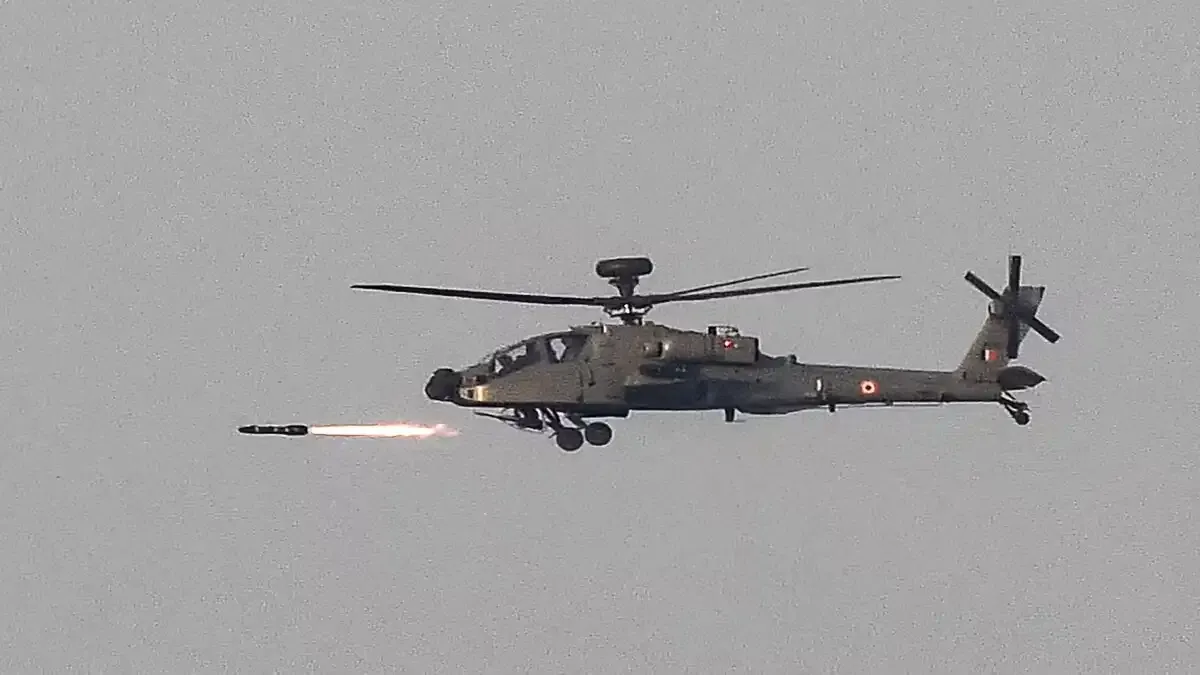
China has announced sanctions against 10 American defence-related companies and expanded restrictions affecting 46 firms, marking the latest escalation in the ongoing economic, technological, and strategic rivalry between Beijing and Washington.
The move comes shortly after the United States imposed fresh restrictions affecting several major Chinese technology companies, including Alibaba Group and Baidu, over concerns related to national security and defence procurement.
The latest developments signal a further deterioration in US-China trade relations, particularly in sectors involving advanced technology, defence, and dual-use products.
China Announces New Sanctions
China's Ministry of Commerce stated that Chinese entities would be prohibited from exporting certain "dual-use" products to the targeted American companies.
Dual-use items refer to products, technologies, or materials that can have both civilian and military applications. Such restrictions can impact supply chains, research partnerships, manufacturing operations, and defence procurement activities.
Officials said the sanctions were introduced to protect China's national security interests and respond to recent actions taken by the United States.
Response to US Restrictions
The sanctions follow recent American measures targeting Chinese firms that Washington believes may have links to military activities or national security concerns.
US authorities have expanded scrutiny of Chinese technology companies operating in sensitive sectors such as artificial intelligence, semiconductors, telecommunications, cloud computing, and defence-related technologies.
Beijing has repeatedly criticized these actions, arguing that they unfairly target Chinese businesses and hinder international trade cooperation.
Defence and Technology Rivalry Deepens
The latest sanctions highlight the growing overlap between technology competition and national security concerns.
Over the past several years, the United States and China have increasingly imposed restrictions on companies operating in strategic industries. Areas such as artificial intelligence, advanced chips, aerospace, cybersecurity, quantum computing, and military technologies have become major points of contention.
Experts believe both nations are seeking to reduce strategic dependence on each other in critical sectors.
Impact on Global Supply Chains
The widening restrictions could have implications beyond the two countries.
Many multinational companies rely on complex supply chains that involve suppliers, manufacturers, and technology providers from both China and the United States. Additional sanctions and export controls may increase uncertainty for businesses operating across international markets.
Industry analysts are closely monitoring how the latest measures could affect defence manufacturing, technology development, and global trade flows.
Growing Economic and Strategic Competition
The dispute reflects broader geopolitical competition between the world's two largest economies.
Beyond trade and technology, tensions have emerged over issues including Taiwan, semiconductor production, cybersecurity, military modernization, artificial intelligence, and global influence. As both countries continue to prioritize national security considerations, economic policies are increasingly being used as strategic tools.
The latest sanctions represent another chapter in this evolving competition.
Business Community Watches Closely
Companies operating in defence, aerospace, advanced manufacturing, and technology sectors are expected to closely assess the implications of the new restrictions.
Businesses may face additional compliance requirements, export licensing challenges, and supply chain adjustments as both governments expand their regulatory measures.
Investors are also monitoring developments due to potential impacts on global markets and corporate operations.
What Comes Next?
While neither side has indicated an immediate willingness to de-escalate, analysts expect further policy announcements in the coming months.
The continued exchange of sanctions, export controls, and restrictions suggests that strategic competition between Washington and Beijing is likely to remain a defining feature of global economic and geopolitical affairs.
As the technology and defence sectors become increasingly central to national security strategies, decisions taken by both countries will continue to influence international markets, innovation, and global trade.