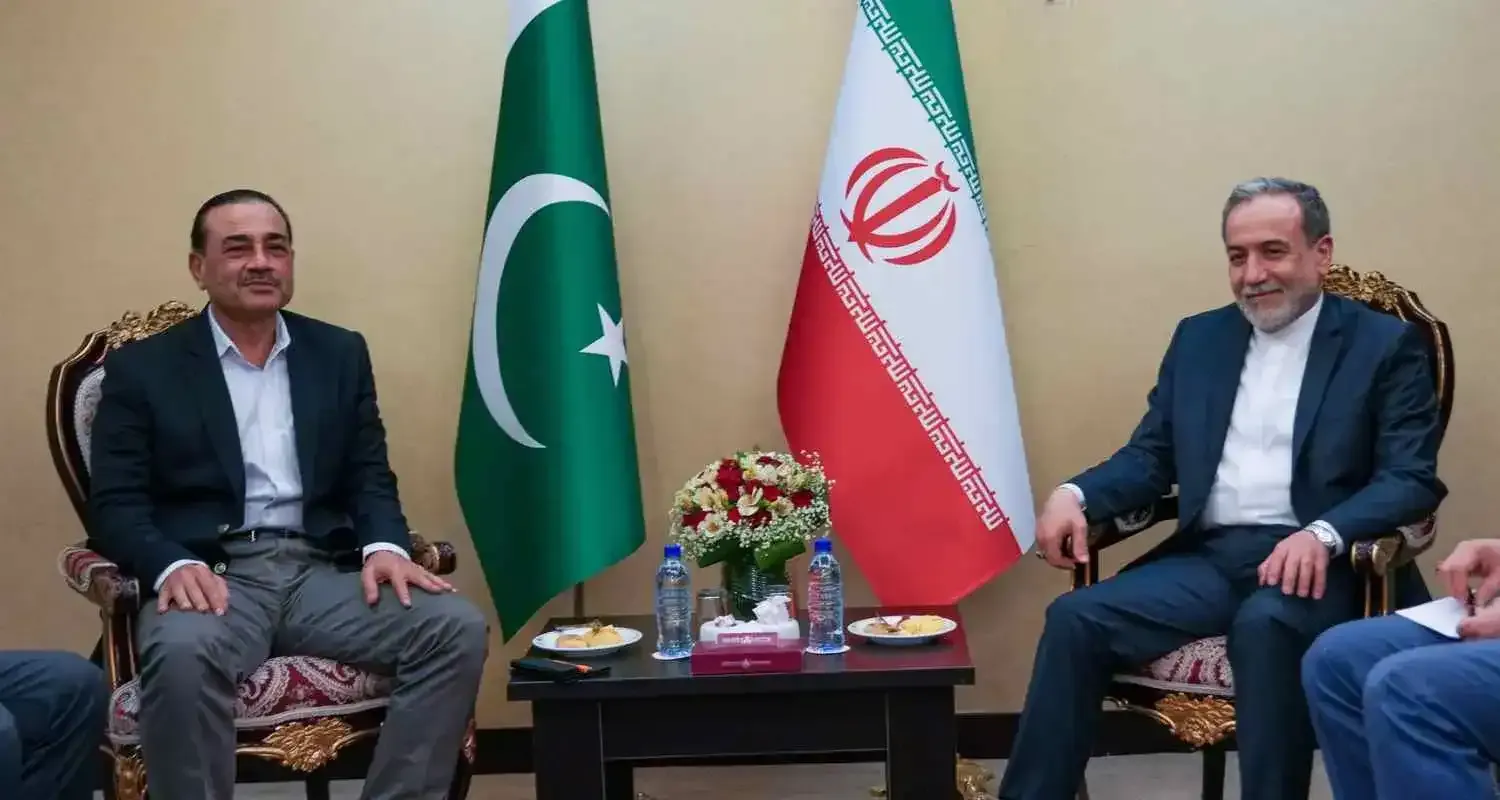
A fresh political debate has emerged in Washington after two Republican senators publicly criticised Pakistan and Qatar during discussions connected to ongoing efforts aimed at addressing tensions involving Iran. The remarks have drawn attention to the United States' diplomatic relationships in the region and raised questions about the balance between strategic partnerships and national security concerns.
The comments came as senior US officials participated in discussions in Switzerland focused on the technical aspects of a potential peace framework involving Iran. The diplomatic engagement has highlighted differing views within American political circles regarding key regional partners.
Republican Senators Raise Concerns
Republican senators Rick Scott and Tim Sheehy voiced concerns about Pakistan and Qatar, referring to historical allegations regarding support networks linked to extremist groups.
Their comments triggered renewed debate about America's relationships with countries that continue to play important roles in regional diplomacy, security cooperation, and negotiations involving Middle Eastern affairs.
The criticism has also intensified scrutiny of broader US diplomatic outreach efforts currently underway in the region.
Focus Turns to J D Vance's Diplomatic Engagement
The controversy gained further attention following remarks made by US Vice President J D Vance during discussions involving leaders from Pakistan and Qatar.
Vance's engagement formed part of broader diplomatic efforts connected to Iran-related negotiations. His outreach has generated mixed reactions among political observers, with supporters viewing it as necessary diplomacy and critics questioning the strategic messaging surrounding the discussions.
The differing reactions reflect ongoing debates within Washington over how the United States should manage complex relationships across South Asia and the Middle East.
Why Pakistan and Qatar Matter in Regional Diplomacy
Both Pakistan and Qatar have long played important roles in regional and international diplomacy.
Pakistan's Strategic Importance
Pakistan remains a significant player in South Asian geopolitics due to:
- Its geographic location
- Security partnerships
- Influence in regional affairs
- Role in counterterrorism cooperation
- Connections to broader Middle East diplomacy
Qatar's Diplomatic Role
Qatar has frequently served as a mediator in international negotiations and has hosted multiple diplomatic initiatives involving global powers and regional stakeholders.
The Gulf nation has been involved in:
- Peace negotiations
- Mediation efforts
- Humanitarian diplomacy
- International conflict resolution initiatives
These roles often place both countries at the center of major geopolitical discussions.
Iran Talks Remain a Key International Issue
The discussions in Switzerland are part of broader efforts aimed at managing tensions surrounding Iran and regional stability.
Iran continues to be one of the most significant foreign policy challenges for the United States and its allies. Issues related to security, diplomacy, sanctions, and regional influence remain central to ongoing negotiations.
As a result, countries capable of facilitating dialogue often become important participants in diplomatic efforts.
Political Debate Intensifies in Washington
The senators' remarks highlight divisions within US political circles regarding foreign policy priorities.
Some policymakers argue that diplomatic engagement requires cooperation with a wide range of international partners, even when disagreements exist. Others believe stronger scrutiny is necessary when evaluating relationships with countries facing criticism over security-related concerns.
The debate reflects a broader conversation about how the United States should balance:
- National security interests
- Diplomatic objectives
- Strategic alliances
- Regional stability goals
- Counterterrorism priorities
Impact on US Foreign Policy
While the comments do not represent official US policy, they underscore the challenges facing American diplomacy in a complex geopolitical environment.
Maintaining relationships with key regional partners while addressing security concerns has long been a delicate balancing act for successive US administrations.
Political disagreements over these relationships are likely to continue as negotiations involving Iran and broader Middle East issues evolve.
What Happens Next?
Diplomatic discussions involving Iran are expected to continue as international stakeholders seek avenues for stability and conflict reduction.
At the same time, political scrutiny within Washington regarding America's regional partnerships is unlikely to diminish. Statements from influential lawmakers often shape public debate and influence broader foreign policy conversations.
Observers will be watching closely to see whether the latest criticism affects future diplomatic engagements or remains part of ongoing domestic political discussions.
Conclusion
The criticism directed at Pakistan and Qatar by Republican senators Rick Scott and Tim Sheehy has added a new dimension to discussions surrounding US diplomacy and Iran-related negotiations. As Vice President J D Vance continues outreach efforts with regional leaders, the debate highlights the complex challenges of balancing strategic partnerships, security concerns, and diplomatic objectives. With tensions and negotiations continuing across the region, America's relationships with key partners are likely to remain under close scrutiny.
FAQ SECTION
Q1. Why did US senators criticise Pakistan and Qatar?
The senators raised concerns related to historical allegations involving extremist networks and questioned aspects of America's engagement with the two countries.
Q2. Who made the comments?
Republican senators Rick Scott and Tim Sheehy publicly criticised Pakistan and Qatar during discussions surrounding Iran-related diplomacy.
Q3. What role does J D Vance play in the discussions?
US Vice President J D Vance participated in diplomatic engagements involving leaders from Pakistan and Qatar as part of broader discussions linked to Iran.
Q4. Why are Pakistan and Qatar important in regional diplomacy?
Both countries play significant roles in regional security, diplomacy, mediation efforts, and international negotiations.
Q5. Where were the discussions held?
The talks were held in Switzerland and focused on technical aspects of a potential framework involving Iran.
Q6. Could the criticism affect US foreign policy?
While the remarks do not constitute official policy, they contribute to ongoing debates about America's relationships with regional partners.