Key Highlights
-
President Donald Trump attended the rescheduled White House Correspondents' Association (WHCA) dinner after the original April event was disrupted by a shooting.
-
WHCA President Weijia Jiang said the gathering symbolized resilience and the refusal to let violence define the journalism community.
-
The event also reignited debate over press freedom and the relationship between journalists and political leaders.
-
Enhanced security measures were implemented for the rescheduled dinner.
-
The evening featured awards honouring journalists, emergency responders and others involved during the April incident.
Trump Appears at Rescheduled WHCA Dinner
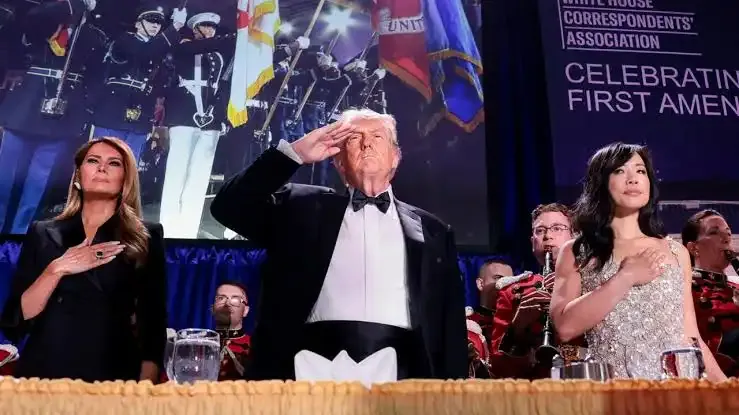
US President Donald Trump attended the White House Correspondents' Association (WHCA) dinner on Friday night after the annual event was postponed following a shooting that disrupted the original gathering in April.
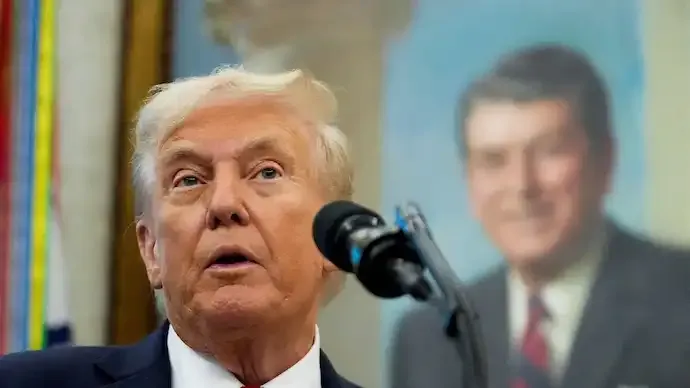
Addressing journalists during the dinner, Trump remarked, "As I said three months ago, the show must go on," acknowledging the unusual circumstances surrounding the event.
The dinner marked the return of one of Washington's longest-running journalism traditions while serving as a symbol of resilience following the earlier act of violence.
WHCA Emphasises Resilience After April Shooting
Opening the evening, WHCA President Weijia Jiang stressed that the association wanted the rescheduled event to demonstrate that violence would not silence the press.
She told attendees:
"We are back. We will not be intimidated. We refuse to let an act of violence have the final word."
Jiang also referenced the disruption of the original event with a light-hearted remark, saying, "Let's try this again," before acknowledging the difficult experience many attendees had endured during the April incident.
The message throughout the evening focused on resilience, the role of journalism and the importance of continuing long-standing democratic traditions.
Trump Softens His Tone but Delivers Familiar Jabs
Before the dinner, Trump had suggested he might repeat the sharp remarks he originally intended to deliver in April.
However, while his speech proved less confrontational than anticipated, he still made light-hearted criticisms of sections of the media, joking that the gathering represented "the largest group of Trump Derangement Syndrome people put together at one time."
Despite political differences, Trump remained throughout the awards ceremony, applauding recipients—including journalists whose reporting had been critical of his administration.
Security Significantly Increased
The rescheduled dinner was held at the Waldorf Astoria in Washington under heightened security arrangements.
Guests encountered multiple layers of screening, including:
-
Identity verification checkpoints.
-
Security dogs.
-
Armed law enforcement officers.
-
Additional security personnel.
Organisers also made several logistical changes, including eliminating the traditional red carpet and pre-dinner receptions while adopting a more relaxed "black tie optional" dress code.
Special Awards Recognise Courage During April Incident
The WHCA introduced additional awards to honour individuals who responded during the April shooting.
Among those recognised was Secret Service Agent Victor Gonzales, who was injured while protecting attendees during the attack.
The association also honoured staff members from the original event venue for their efforts during the emergency.
The ceremony continued with journalism awards celebrating reporting across a range of national issues, including coverage related to the Trump administration.
Debate Over Press Independence Continues
While many praised the decision to reschedule the dinner as a demonstration of resilience, others questioned whether such events blur the line between journalists and the public officials they cover.
Some media ethics experts argued that formal social gatherings involving reporters and political leaders could affect public perceptions of journalistic independence.
The discussion comes amid broader debates over the relationship between the White House and the media during Trump's second term, including legal disputes, regulatory actions and disagreements over press access.
Supporters of the event argued that celebrating journalism and the First Amendment remained important despite ongoing tensions.
Press Freedom Remains a Central Issue
The WHCA dinner took place against a backdrop of continued discussions about press freedom in the United States.
In the days leading up to the event, several press freedom organisations urged the association to use the dinner as an opportunity to reaffirm the importance of independent journalism and the protections provided under the First Amendment.
The evening ultimately combined recognition of journalistic achievements with reflection on the challenges facing the media, while underscoring the association's message that violence would not define its mission.
Frequently Asked Questions (FAQs)
Why was the WHCA dinner rescheduled?
The original White House Correspondents' Association dinner was postponed after a shooting disrupted the April event.
Did Donald Trump attend the rescheduled dinner?
Yes. President Donald Trump attended the rescheduled WHCA dinner and addressed the gathering of journalists.
What message did the WHCA emphasize?
The association said the event symbolized resilience and demonstrated that violence would not intimidate journalists or define the annual tradition.
Were additional security measures introduced?
Yes. Guests passed through multiple security checkpoints, identity verification, security dogs and armed law enforcement before entering the venue.
Why has the event drawn criticism?
Some media ethics experts argue that formal social events involving journalists and political leaders may create perceptions of excessive closeness between the press and those it covers.
What was honoured during the ceremony?
The event recognised outstanding journalism, honoured Secret Service personnel and venue staff for their actions during the April incident, and celebrated the role of a free press.
Prev Article
US-Saudi Nuclear Deal: Why Pakistan's Nuclear History Raises Strategic Concerns for India
Next Article
US Appeals Court Blocks Trump's $100,000 H-1B Visa Fee, Upholds Lower Court Ruling