



The world is moving closer to crossing the 1.5°C global warming threshold, raising serious concerns about the future impact of climate change on countries such as India. While crossing the threshold would not necessarily represent a permanent point of no return, the scale and duration of warming above 1.5°C could significantly increase risks for people, ecosystems and economies.
The 1.5°C figure refers to the increase in the Earth's average global temperature compared with pre-industrial levels. It does not mean that every region will experience exactly 1.5°C of warming. Some areas could experience substantially higher temperature increases and more severe climate impacts.
For India, the risks are particularly significant because a large population, agricultural systems, water resources and economic activities remain highly dependent on climate-sensitive conditions.

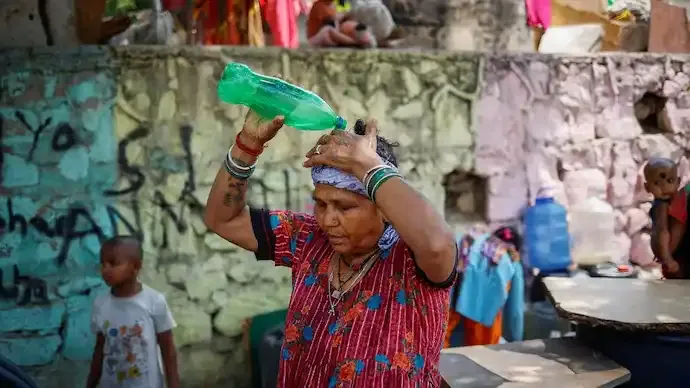
Extreme heat is expected to remain one of India's biggest climate threats. Rising temperatures have already contributed to more frequent, longer and more intense heatwaves across several parts of the country. As global warming increases, severe heat and humidity could make it increasingly difficult for the human body to cool itself naturally.
The growing threat of extreme heat is not limited to the traditional summer season. Rising temperatures and humidity could also increase heat stress during the monsoon months, creating additional health and livelihood challenges.
India's monsoon system could also face greater disruption as global temperatures rise. Erratic rainfall patterns, prolonged dry periods and intense rainfall events could affect agriculture, water availability and urban infrastructure.
Climate change could also increase the risk of drought and water scarcity. Changes in global weather patterns, including the possible strengthening of the connection between El Nino events and Indian monsoon droughts, could create further pressure on food production and water resources.
India's agricultural sector remains particularly vulnerable because farming depends heavily on temperature, rainfall and water availability. Extreme heat, irregular monsoon patterns and drought conditions could affect crop production and food security.
The consequences of rising temperatures could also be severe in the Himalayan region. India's major river systems depend heavily on the Hindu Kush Himalaya, where glaciers are losing ice at an increasing rate.
Rapid glacier loss threatens long-term water security and may also increase the risk of floods and other mountain-related disasters. Changes in glacier systems can initially increase water flow and flood risks before eventually reducing long-term water availability as ice reserves decline.
Flooding is another major concern for India as warming can intensify extreme rainfall events. Heavy rainfall over short periods can overwhelm urban drainage systems, trigger landslides and cause flash floods in vulnerable regions.
More than 80% of India's population lives in districts that face risks from climate-related disasters, including heatwaves, floods, droughts and cyclones. This makes climate adaptation and disaster preparedness increasingly important for the country's future.
The growing climate crisis also highlights the issue of climate justice. Many developing countries face severe consequences from global warming despite contributing far less historically to global greenhouse gas emissions than major industrialised nations.
The upcoming COP31 climate summit in Antalya, Türkiye, scheduled from November 9 to 20, 2026, is expected to place renewed focus on emissions reductions, climate adaptation and financial support for vulnerable countries.
For India, stronger climate action will be important not only at the global level but also through domestic adaptation measures. Heat preparedness, water conservation, climate-resilient agriculture, flood management and protection of vulnerable Himalayan ecosystems will become increasingly important.
Crossing the 1.5°C threshold does not mean that climate action becomes meaningless. Scientists and climate organisations continue to stress that every fraction of a degree of warming avoided can reduce the intensity of heat, water stress and extreme weather risks.
For India, the warning is increasingly clear: rising global temperatures could bring more extreme heat, unpredictable monsoons, droughts, floods, water shortages, agricultural stress and Himalayan disasters. Limiting future warming and strengthening adaptation could determine how severely these risks affect millions of people.







Conversation
Be kind and stay on topic. Comments are moderated; abuse, spam and personal attacks are removed. Report a problem