


Key Highlights
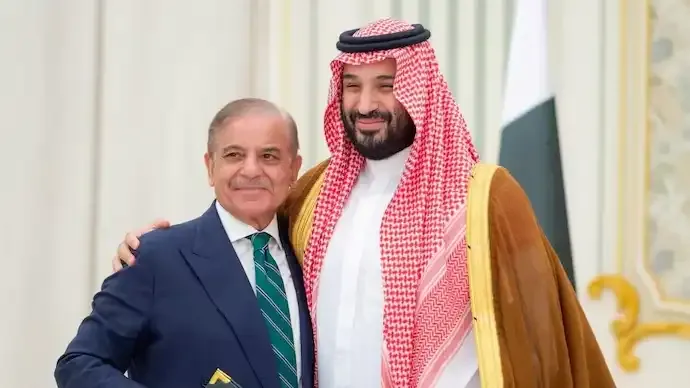
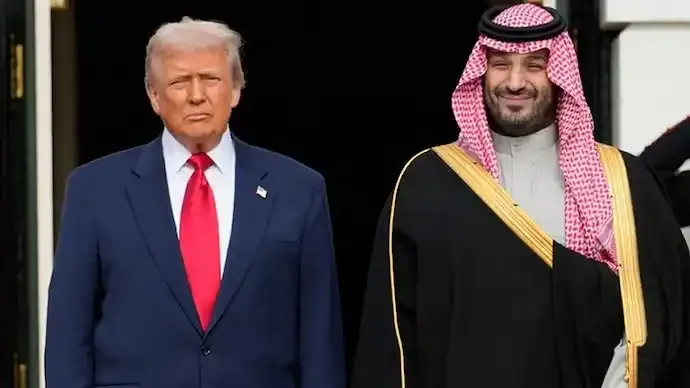
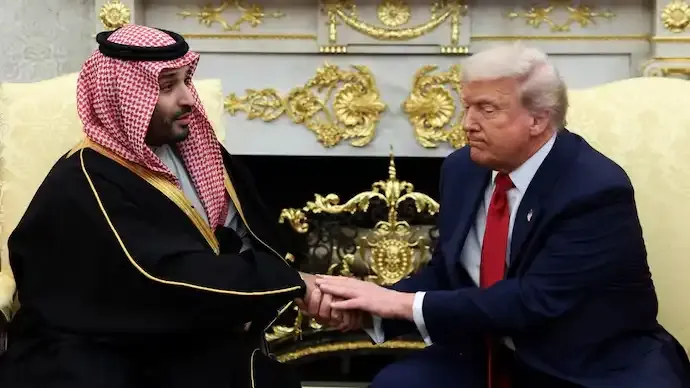
- The US and Saudi Arabia have signed a landmark civil nuclear agreement, marking a major shift in Middle East geopolitics.
- The deal has revived discussions around Pakistan's nuclear proliferation history and its strategic ties with Saudi Arabia.
- Analysts point to the legacy of the A.Q. Khan network as a key reason Pakistan has not received a similar civilian nuclear agreement from the US.
- Saudi Arabia has previously stated it would consider developing nuclear capabilities if Iran acquires nuclear weapons.
- For India, the evolving US-Saudi partnership could have long-term strategic implications in South Asia and West Asia.
A Landmark US-Saudi Nuclear Agreement Sparks Regional Debate
The recently announced US-Saudi civil nuclear agreement has become one of the most significant geopolitical developments in the Middle East, raising questions about regional security, nuclear proliferation and future strategic alignments.
While the agreement focuses on civilian nuclear cooperation, it has also renewed debate over whether similar arrangements could eventually be considered for other US partners, including Pakistan.
Although there is no indication that Washington is currently negotiating a comparable deal with Islamabad, analysts argue that Pakistan's nuclear history makes the subject strategically important for countries such as India.

Why Pakistan's Nuclear Past Continues to Matter
A major reason Pakistan has historically faced barriers to a US civil nuclear agreement is the legacy of Dr. Abdul Qadeer (A.Q.) Khan.
In the early 2000s, investigations uncovered an international nuclear proliferation network linked to Khan that transferred nuclear technology, centrifuge designs and related materials to countries including Iran, Libya and North Korea.
Pakistan has long maintained that Khan acted independently without state authorization. However, many international analysts and governments have questioned how such activities could have occurred without access to state-controlled nuclear infrastructure.
The revelations significantly affected global confidence in Pakistan's nuclear oversight and continue to influence international non-proliferation discussions.
How the US-Saudi Deal Differs from Earlier Nuclear Agreements
The United States previously signed a landmark civil nuclear agreement with India, allowing civilian nuclear cooperation under internationally negotiated safeguards.
The new agreement with Saudi Arabia is viewed as another major strategic partnership.
Supporters argue the deal strengthens bilateral relations, expands energy cooperation and deepens US influence in the Gulf.
Critics, however, have focused on provisions allowing Saudi Arabia to develop aspects of the nuclear fuel cycle, arguing that enrichment capabilities can raise proliferation concerns if not accompanied by robust safeguards and oversight.
Whether and how these activities are monitored depends on the final legal framework, international safeguards and future implementation.
Saudi Arabia's Security Calculations
Saudi Arabia has publicly linked its long-term nuclear ambitions to regional security developments.
In previous public remarks, Crown Prince Mohammed bin Salman said that if Iran were to develop a nuclear weapon, Saudi Arabia would seek to do the same.
Those statements have led analysts to closely monitor Riyadh's nuclear policy, even though Saudi Arabia maintains that its current programme is intended for peaceful civilian purposes.
Saudi Arabia and Pakistan's Strategic Relationship
Saudi Arabia and Pakistan have maintained close defence and security ties for decades.
Recent defence cooperation agreements between the two countries have further strengthened military coordination.
Statements by Pakistani officials regarding possible nuclear cooperation have occasionally generated international attention, although Islamabad has repeatedly stated that it remains committed to its international obligations.
No public evidence has emerged indicating that Saudi Arabia is receiving nuclear weapons technology from Pakistan.
Why the Deal Matters for India
From India's perspective, the US-Saudi nuclear agreement carries broader geopolitical significance.
Several strategic issues are likely to be monitored closely:
- The future balance of power in West Asia.
- The evolution of Saudi Arabia's civilian nuclear programme.
- US strategic engagement with Gulf partners.
- Pakistan's future diplomatic positioning.
- Regional non-proliferation efforts.
Some analysts have speculated that if geopolitical circumstances change significantly in the future, Pakistan could seek greater civilian nuclear cooperation with major powers. However, there is currently no announced US plan or official proposal to offer Pakistan a civil nuclear agreement comparable to those with India or Saudi Arabia.
Any such development would depend on complex diplomatic, security, non-proliferation and political considerations.
Broader Geopolitical Context
The US-Saudi agreement also reflects Washington's broader strategic priorities in the Middle East.
Beyond energy cooperation, the partnership is widely seen as part of efforts to strengthen ties with key regional allies amid competition with other global powers.
At the same time, concerns over nuclear proliferation remain central to international policy discussions, particularly in regions already affected by longstanding security tensions.
As the agreement moves toward implementation, governments across the region—including India—are expected to closely monitor its long-term strategic implications.
Frequently Asked Questions (FAQs)
What is the US-Saudi nuclear deal?
The agreement establishes a framework for civilian nuclear cooperation between the United States and Saudi Arabia, focusing on peaceful nuclear energy development.
Why is Pakistan's nuclear history being discussed?
Pakistan's nuclear programme remains closely associated with the A.Q. Khan proliferation network, which transferred nuclear technology to several countries and continues to shape international perceptions of Pakistan's nuclear record.
Does the US plan to sign a similar nuclear deal with Pakistan?
There is no official indication that the United States is currently pursuing a civil nuclear agreement with Pakistan. Discussion of such a possibility remains speculative.
Why is Saudi Arabia's nuclear programme significant?
Saudi Arabia is expanding its civilian nuclear ambitions while also emphasizing its regional security concerns, making its programme strategically important for the Middle East.
Why is the agreement important for India?
The deal could influence regional geopolitics, energy cooperation and strategic partnerships in West Asia, all of which are closely watched by Indian policymakers and security analysts.
What is the A.Q. Khan network?
The A.Q. Khan network was an international proliferation network that transferred sensitive nuclear technology and equipment to multiple countries, leading to one of the most significant nuclear proliferation cases in modern history.




Conversation
Be kind and stay on topic. Comments are moderated; abuse, spam and personal attacks are removed. Report a problem