Iran is on edge as near-week-long protests against the country’s clerical leadership escalated into violence with the start of the New Year, leaving several protesters and security personnel dead. The unrest, driven primarily by soaring inflation and economic hardship, marks the largest wave of demonstrations Iran has witnessed in nearly three years.
According to reports citing Iranian media and human rights groups, at least seven people have been killed in clashes between protesters and security forces across multiple regions. Fatalities have been reported from Lordegan in western Iran, Kuhdasht, and Isfahan, highlighting how the unrest has spread from major urban centres into smaller towns and rural areas.
The protests initially began when shopkeepers and merchants demonstrated against the government’s handling of a sharp currency slide and rapidly rising prices. The Iranian rial has lost nearly half its value against the US dollar over the past year, while inflation surged to 42.5 per cent in December, putting severe pressure on household incomes.
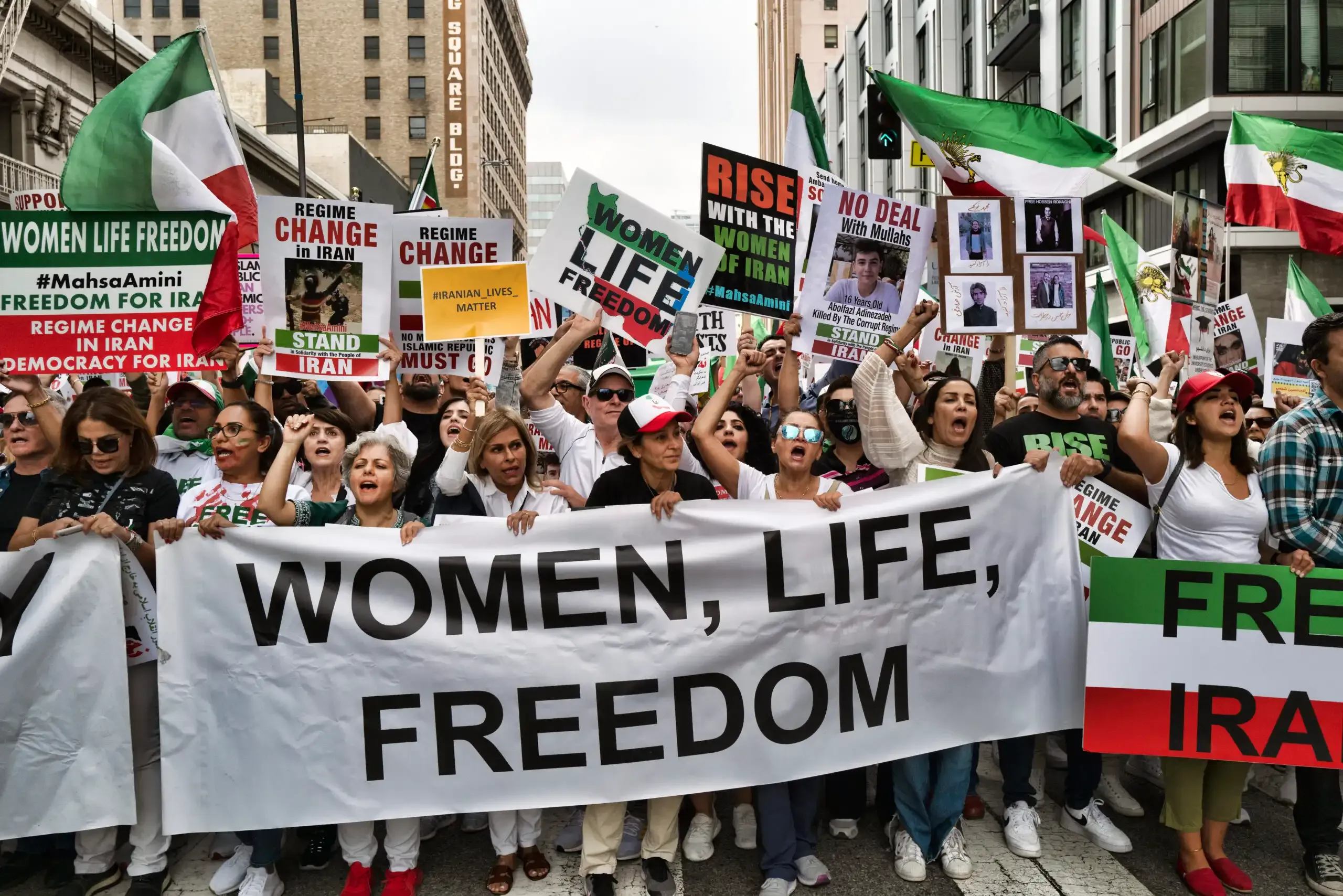
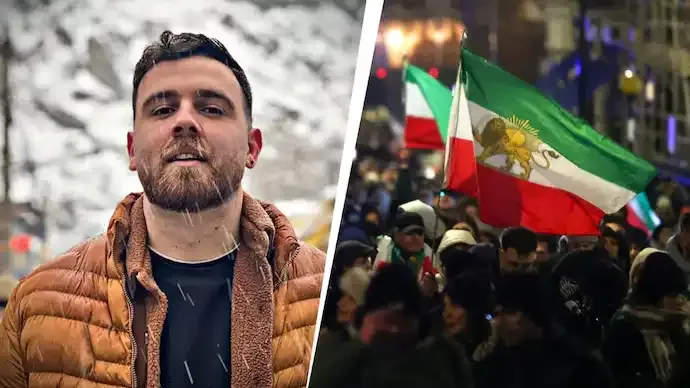
As demonstrations intensified, university students joined the protests in Tehran, chanting slogans such as “Death to the dictator” and expressing support for Reza Pahlavi, the son of Iran’s last monarch who was overthrown during the 1979 Islamic Revolution. Chants of “Long live the Shah” echoed in parts of the capital, signalling a sharp challenge to the authority of Ayatollah Ali Khamenei.
Reza Pahlavi, who lives in exile in the United States, voiced support for the protesters on social media, saying he stood with them and asserting that Iran’s economic situation would continue to worsen as long as the current regime remains in power.
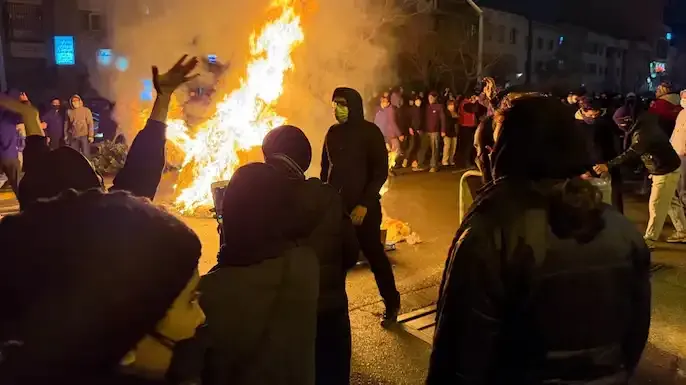
Violence has been reported in several provinces as security forces moved to disperse crowds. Iran’s Islamic Revolutionary Guard Corps and its affiliated Basij units were deployed in affected areas. State-linked media reported that two people were killed in Lordegan during clashes, while rights group Hengaw said several protesters were shot and wounded by security forces.
In Kuhdasht, authorities confirmed the death of a Basij member and injuries to more than a dozen others. The Revolutionary Guards accused demonstrators of exploiting the protests for violence. However, rights groups have disputed official accounts, claiming that some of those killed were protesters shot by security forces. Independent verification of these claims has been difficult due to restrictions on media access.
Further protests were reported in Marvdasht in southern Fars province, while arrests were carried out in Kermanshah, Khuzestan and Hamedan provinces, according to activist networks. The unrest has led to the closure of major bazaars in several cities, disrupting daily life and commerce.
The protests come at a particularly sensitive moment for Iran’s leadership. The economy has been battered by years of US and Western sanctions, while recent Israeli and US airstrikes in June further damaged Iran’s nuclear infrastructure and military command. These pressures have compounded public anger over unemployment, inflation and declining living standards.
In response, the Iranian government has signalled a mix of outreach and force. Government spokesperson Fatemeh Mohajerani said authorities were open to dialogue with trade unions and merchant groups, even as security forces maintained a heavy presence on the streets. Officials also declared a weather-related holiday this week, effectively shutting down much of the country.
Iran has seen repeated waves of protests in recent years over economic hardship, women’s rights and political freedoms. These demonstrations have often been met with mass arrests and forceful crackdowns. As the current unrest spreads geographically and intensifies in tone, analysts say it poses a fresh challenge to the stability of Iran’s clerical establishment.