

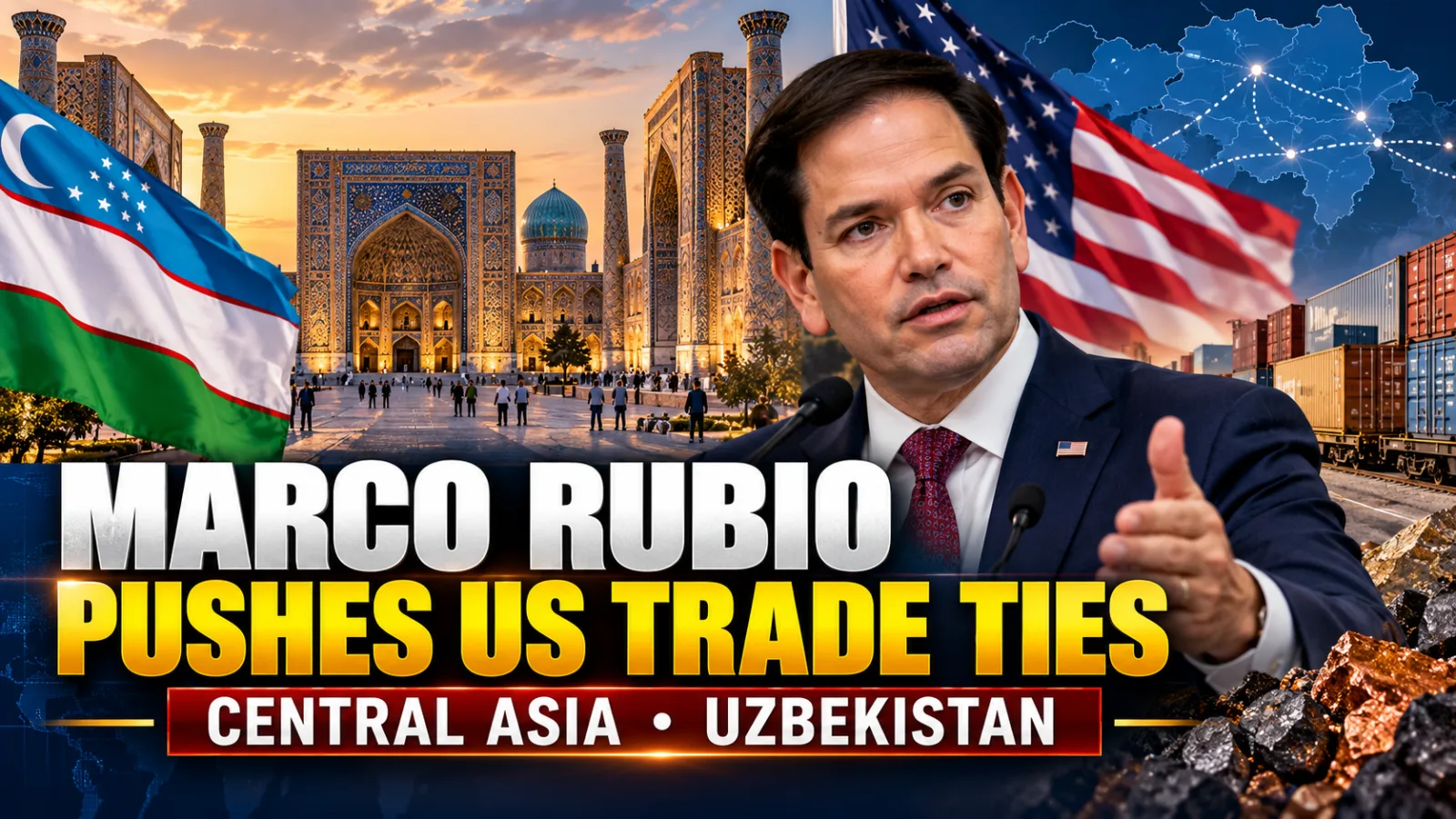

US Secretary of State Marco Rubio visited Uzbekistan on October 19, 2026, to strengthen economic and security ties with Central Asia. His meetings in Samarkand brought together representatives from Kazakhstan, Kyrgyzstan, Tajikistan, Turkmenistan and Uzbekistan under the C5+1 diplomatic framework.
The platform connects the United States with the five Central Asian nations to discuss trade, security and shared regional priorities.
Rubio said Washington wanted to become a stronger partner in Central Asia, arguing that the region had not received sufficient attention from US policymakers over the past two decades. He indicated that the administration was seeking to change that approach through deeper diplomatic and commercial engagement.

The visit comes amid criticism that Washington's diplomatic agenda has focused on engagements considered less politically risky while major international challenges, including the Russia-Ukraine war and tensions in the Middle East, remain unresolved. Rubio and the State Department have rejected suggestions that his schedule reflects an attempt to avoid difficult foreign policy issues.
Why Central Asia Matters to the United States
Central Asia's geographical position between Russia and China makes it strategically significant for Washington. The region also offers opportunities for trade, investment and access to materials considered important for future industries.
After the Soviet Union collapsed, the newly independent Central Asian states briefly attracted greater US attention. Interest increased again following the September 11, 2001, attacks, when several countries became important transit locations for American and allied operations in Afghanistan.
Following the US withdrawal from Afghanistan, Washington continued pursuing closer relationships with Central Asian governments. The Trump administration has sought to expand these ties during both of its terms, with economic opportunities and regional geopolitics among the key motivations.
Nearly 300 US Businesses Join Trade Outreach
Rubio said a delegation representing nearly 300 American businesses had accompanied the visit, highlighting the commercial ambitions behind the diplomatic initiative.
He described Central Asia as a historic crossroads for East-West trade and said it could play a renewed role in international commerce. The outreach aims to encourage investment, expand exports and strengthen commercial partnerships.
US President Donald Trump hosted Central Asian leaders at a White House summit in November 2025, where commercial agreements worth more than $130 billion were announced, including arrangements involving Boeing aircraft purchases by regional airlines.
Washington has also encouraged the Muslim-majority countries to join the Abraham Accords, which established diplomatic relations between Israel and several Arab states. Kazakhstan, which had already recognised Israel, is the only one of the five Central Asian countries to have joined the accords.
India Visit to Follow Uzbekistan Meetings
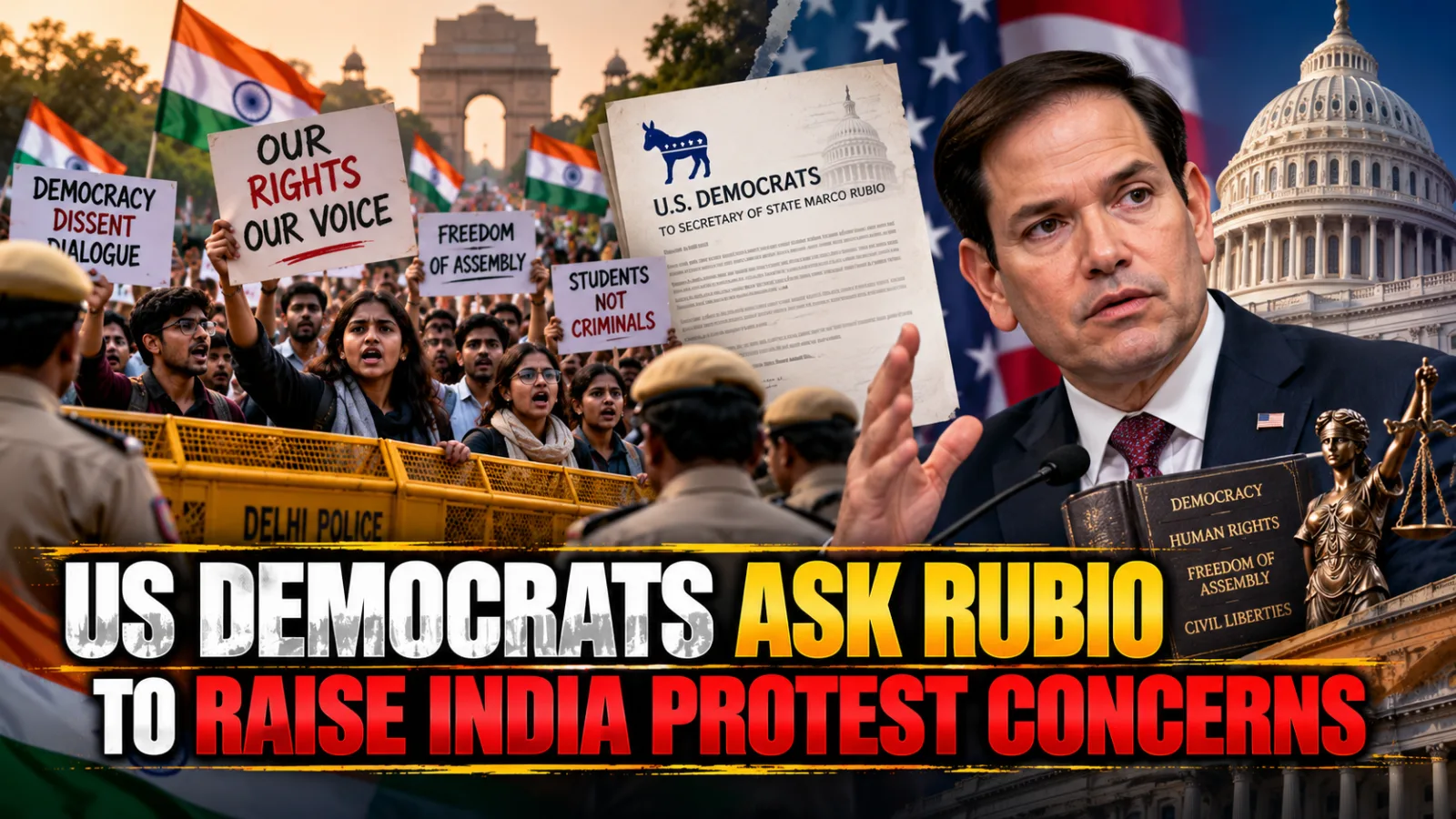
Rubio's regional tour also includes a visit to India later in the week. The wider trip reflects Washington's effort to strengthen economic, diplomatic and security relationships across Central and South Asia.
Whether the outreach produces lasting results will depend on the implementation of commercial agreements, sustained political engagement and the ability of the United States to maintain its partnerships amid competition involving major regional powers.
For official updates, visit the US Department of State.





Conversation
Be kind and stay on topic. Comments are moderated; abuse, spam and personal attacks are removed. Report a problem