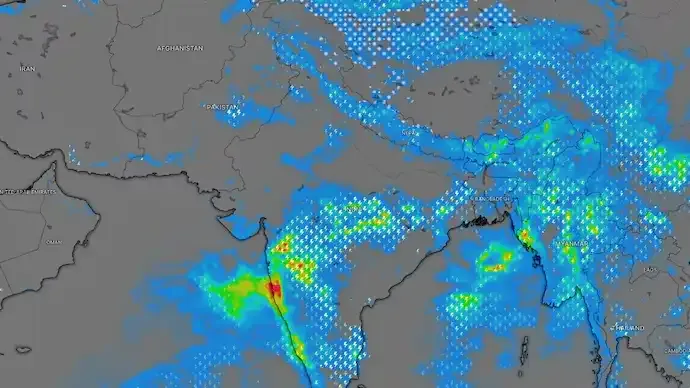
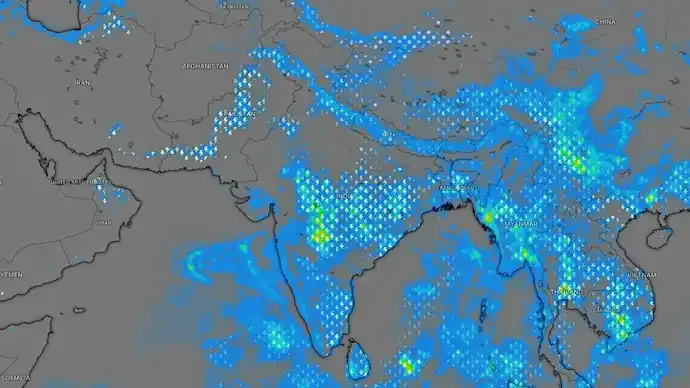
The southwest monsoon has finally advanced into large parts of Central India, bringing much-awaited rainfall to regions that have experienced an extended dry spell this June. However, along with the rain, the India Meteorological Department (IMD) has warned of thunderstorms, lightning, hailstorms, and strong winds across several states over the coming days.
The monsoon has now covered parts of Madhya Pradesh, Chhattisgarh, Vidarbha, Gujarat, Maharashtra, and Jharkhand, offering relief from intense summer heat while also increasing the risk of severe weather conditions.
Despite the latest advance, India continues to record a significant rainfall deficit this season, making the current spell crucial for agriculture and water availability.
Monsoon Advances Across Central India
According to the IMD, the southwest monsoon has progressed into:
- Parts of Madhya Pradesh
- Chhattisgarh
- Vidarbha
- Remaining areas of Maharashtra
- Parts of Gujarat
- Additional regions of Jharkhand
The advance marks an important phase in the annual monsoon cycle as rain-bearing winds continue moving northward across the country.
The weather system is expected to expand further into Bihar, Uttar Pradesh, and remaining parts of central India over the next few days.
Thunderstorms and Lightning Alert Issued
The arrival of the monsoon is expected to bring active weather conditions rather than steady rainfall alone.
IMD Weather Warnings
The weather department has forecast:
- Thunderstorms with lightning
- Heavy rainfall at isolated locations
- Gusty winds of 40–50 kmph
- Wind speeds reaching up to 60 kmph in some areas
- Thundersqualls with gusts touching 70 kmph in parts of Madhya Pradesh
Residents have been advised to remain alert during periods of severe weather.
Why Are Thunderstorms So Intense During Monsoon Onset?
The beginning of the monsoon is often accompanied by unstable atmospheric conditions.
Warm, moisture-laden air from the Arabian Sea and Bay of Bengal rises rapidly over the hot land surface. As this air cools at higher altitudes, towering thunderclouds develop, producing:
- Heavy rain
- Lightning
- Strong winds
- Occasional hailstorms
These weather events are common during the initial phase of monsoon advancement.
Heavy Rain Forecast for Central India
Over the next week, widespread rainfall is expected across much of Central India.
States Likely to Receive Rain
- Madhya Pradesh
- Chhattisgarh
- Vidarbha
- Parts of Gujarat
- Maharashtra
- Jharkhand
Isolated heavy rainfall is also expected in parts of Madhya Pradesh and Chhattisgarh during the coming days.
Temperatures Set to Fall
One of the biggest benefits of the monsoon's arrival will be relief from scorching summer temperatures.
Meteorologists expect daytime temperatures across Central India to drop by around 2–3 degrees Celsius as cloud cover and rainfall increase.
This is expected to provide welcome relief to residents who have endured temperatures above 40°C in recent weeks.
Heatwave Continues in Some Areas
While Central India receives rain, some neighbouring regions remain under heatwave conditions.
The IMD has warned that:
- East Uttar Pradesh may continue experiencing heatwave conditions.
- Parts of northeast Madhya Pradesh and Bihar may also remain extremely hot until the monsoon advances further.
Weather conditions are expected to improve once the southwest monsoon reaches these regions.

India's Rainfall Still Below Normal
Although the latest rainfall is encouraging, the overall monsoon season remains behind schedule.
As of June 24:
- India has received approximately 42% below-normal rainfall for the season.
- Several central and eastern states continue to record rainfall deficits.
The delayed advance of the monsoon has affected farming activities and increased concerns over water availability in some regions.
How El Niño Has Influenced This Year's Monsoon
Weather experts attribute part of this season's weak rainfall to the influence of El Niño, a climate phenomenon associated with warmer-than-normal Pacific Ocean temperatures.
El Niño can weaken the atmospheric circulation that supports India's southwest monsoon, often leading to:
- Delayed rainfall
- Reduced precipitation
- Longer dry spells
- Uneven monsoon distribution
The IMD has projected that overall seasonal rainfall may remain below the long-term average.
Good News for Farmers
The arrival of the monsoon is expected to benefit farmers preparing for the kharif cropping season.
Rainfall is particularly important for crops such as:
- Soybean
- Cotton
- Pulses
- Paddy
- Maize
Adequate rainfall during June and July is essential for timely sowing and healthy crop development.
Safety Tips During Thunderstorms
Authorities have advised people to follow basic safety precautions during severe weather.
Stay Safe by Following These Guidelines
- Remain indoors during thunderstorms.
- Avoid standing under isolated trees.
- Stay away from electric poles and tall structures.
- Do not enter rivers, ponds, or lakes during lightning.
- Avoid open fields until the storm passes.
- Keep updated with official weather advisories.
What to Expect Next
Weather conditions remain favourable for further monsoon advancement over:
- Gujarat
- Remaining Madhya Pradesh
- Chhattisgarh
- Jharkhand
- Bihar
- Parts of Uttar Pradesh
The coming week is expected to bring widespread rainfall across Central India while helping reduce the seasonal rainfall deficit.
Conclusion
The arrival of the southwest monsoon in Central India marks an important milestone in this year's weather season, bringing much-needed rainfall to drought-hit regions. However, the rains are accompanied by thunderstorms, lightning, and strong winds that require caution. While the showers are expected to provide relief from intense heat and support agricultural activities, India continues to face a significant rainfall deficit, making the progress of the monsoon over the coming weeks crucial for both farmers and water resources.
FAQ SECTION
Q1. Which states have received the monsoon?
The monsoon has advanced into parts of Madhya Pradesh, Chhattisgarh, Vidarbha, Gujarat, Maharashtra, and Jharkhand.
Q2. Has the IMD issued any weather warnings?
Yes. The IMD has warned of thunderstorms, lightning, heavy rainfall, hailstorms, and gusty winds in several parts of Central India.
Q3. How strong can the winds become?
Wind speeds may reach up to 70 kmph in some areas during severe thunderstorms.
Q4. Why is India still facing a rainfall deficit?
A delayed monsoon onset and prolonged dry spell during June have contributed to below-normal rainfall.
Q5. What role has El Niño played this year?
El Niño has weakened the atmospheric conditions that normally strengthen the southwest monsoon, contributing to reduced rainfall.
Q6. Which crops will benefit from the latest rainfall?
Soybean, cotton, pulses, paddy, and other kharif crops are expected to benefit from improved soil moisture.