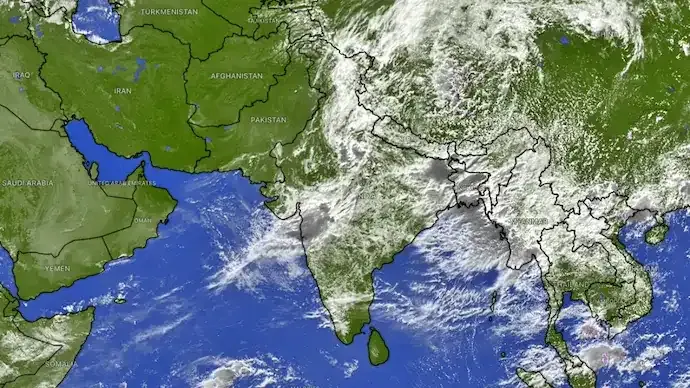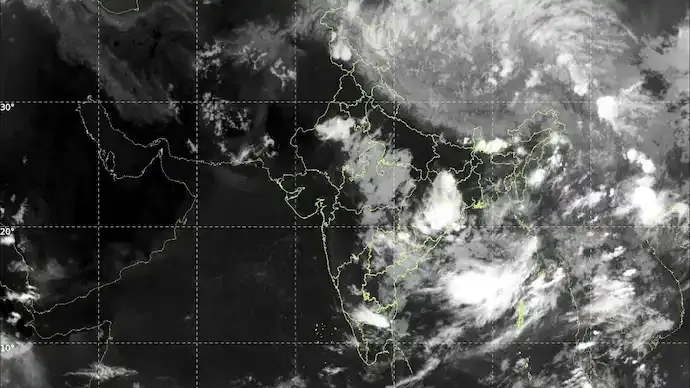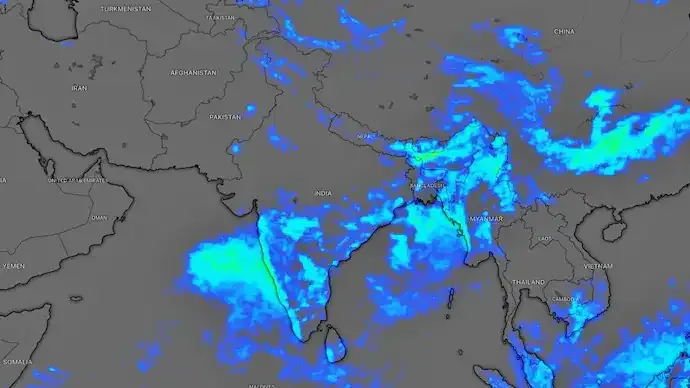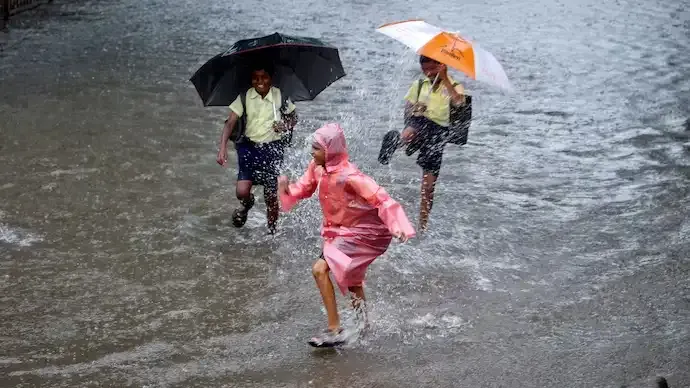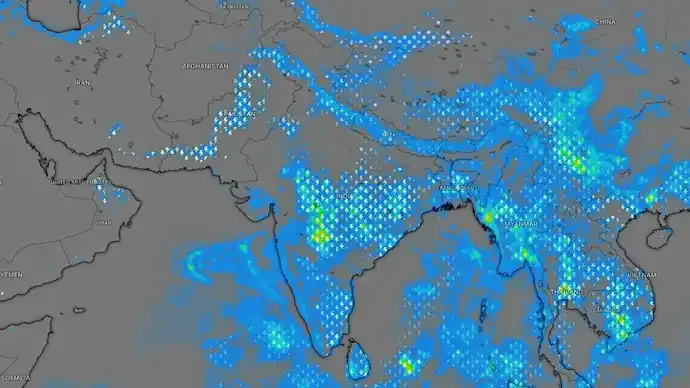
The southwest monsoon has regained momentum after remaining largely inactive for several days, bringing fresh rainfall to several parts of western, central and northern India. The renewed activity is expected to provide relief from rising temperatures and improve weather conditions in multiple states.
Despite this revival, the country continues to face a significant rainfall shortage. Since the beginning of the monsoon season on June 4, India has recorded rainfall well below the seasonal average, raising concerns for agriculture, water availability and overall monsoon performance.
Monsoon Makes Fresh Progress
The southwest monsoon has resumed its advance into additional regions after a prolonged pause in its movement. Increased moisture, favourable wind patterns and changing atmospheric conditions have triggered widespread rainfall and thunderstorms across several states.
Many areas have already experienced moderate to heavy showers, with more rainfall expected over the coming days as the monsoon continues its northward journey.
India Still Faces a 42% Rainfall Deficit
Although rainfall activity has intensified recently, cumulative seasonal rainfall remains significantly below normal.
Since the onset of the southwest monsoon on June 4, India has received approximately 68.5 mm of rainfall compared with the normal seasonal average of 118.5 mm, resulting in a 42% nationwide rainfall deficit.
The rainfall shortage has been observed across all major meteorological regions, indicating that the monsoon's progress has been uneven despite its recent revival.
Which Regions Are Receiving Rain?
Fresh rainfall has expanded across several parts of:
- Western India
- Central India
- Northern India
Many locations are witnessing thunderstorms, gusty winds and periods of heavy rainfall. Weather conditions are expected to remain active as the monsoon gradually covers more areas.
Why the Rainfall Deficit Matters
A prolonged rainfall deficit during the early phase of the monsoon can affect multiple sectors across the country.
Some major concerns include:
- Delay in sowing of Kharif crops
- Reduced soil moisture for agriculture
- Pressure on reservoirs and groundwater levels
- Increased water demand during summer
- Higher risk of heat-related conditions if rainfall remains uneven
However, meteorologists note that rainfall distribution often improves during the core monsoon months of July and August, which contribute the largest share of India's seasonal rainfall.
Impact on Farmers and Agriculture
The southwest monsoon plays a vital role in India's agricultural economy. Millions of farmers depend on timely rainfall for sowing crops such as rice, maize, cotton, soybean and pulses.
If rainfall becomes more widespread in the coming weeks, it could improve soil moisture and support agricultural activities across several states. Continued rainfall will also help replenish reservoirs that supply water for irrigation and drinking purposes.
What to Expect in the Coming Days
With the monsoon becoming active once again, several regions are likely to witness:
- Moderate to heavy rainfall
- Thunderstorms and lightning
- Gusty winds in isolated areas
- Gradual expansion of monsoon coverage across northern and western India
Residents in rain-prone areas should stay updated with local weather advisories, especially where heavy rainfall may cause waterlogging or traffic disruptions.
Why the Southwest Monsoon Is Important
The southwest monsoon is responsible for nearly 70–75% of India's annual rainfall and is crucial for agriculture, drinking water supplies, hydroelectric power generation and overall economic activity.
A well-distributed monsoon supports crop production, stabilises food prices and helps maintain water reserves across the country.
Conclusion
The southwest monsoon has finally resumed its advance after a temporary slowdown, bringing fresh rainfall to several parts of India. While this marks a positive development, the country continues to record a 42% rainfall deficit compared to the seasonal average. The coming weeks will be crucial in determining whether the monsoon can make up for the shortfall and provide much-needed relief to agriculture and water resources.
FAQs
1. What is India's current rainfall deficit?
India is currently experiencing a 42% rainfall deficit, with seasonal rainfall remaining well below the normal average since the monsoon began.
2. When did the southwest monsoon begin in India?
The southwest monsoon season began on June 4, 2026, and has recently resumed its advance after a temporary pause.
3. Which parts of India are receiving rainfall now?
Western, central and northern parts of the country are witnessing renewed rainfall and thunderstorm activity as the monsoon advances.
4. Why is the rainfall deficit important?
Below-normal rainfall can affect agriculture, water storage, reservoir levels, groundwater recharge and crop production across India.
5. Will the rainfall deficit reduce in the coming weeks?
The core monsoon months of July and August typically receive the highest rainfall. If rainfall remains widespread, the current deficit may gradually decrease.
6. How does the southwest monsoon impact India?
The southwest monsoon provides most of India's annual rainfall and is essential for farming, water resources, electricity generation and overall economic growth.