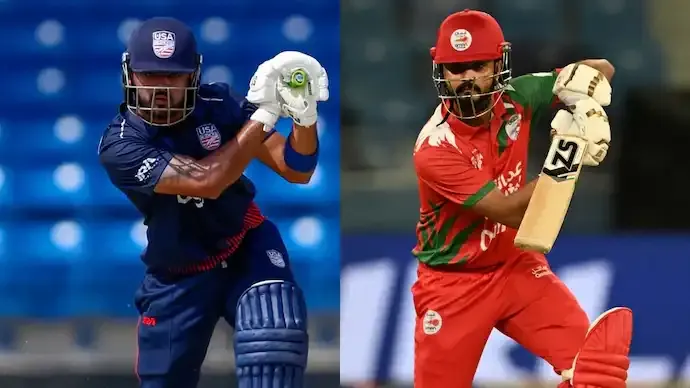
The upcoming ICC Men's T20 World Cup 2026 will not only spotlight India’s campaign under captain Suryakumar Yadav, but also highlight a remarkable trend across associate nations — several teams will be led by captains of Indian origin. As the tournament unfolds across India and Sri Lanka, players with roots in the subcontinent are poised to guide emerging cricketing nations on one of the sport’s biggest stages.
Associate teams such as the United States, Canada, Oman, Nepal, Namibia, UAE and the Netherlands arrive at the tournament with growing confidence after navigating challenging qualification pathways. Over the past few years, these sides have steadily reduced the gap between themselves and full-member nations, making the competition more unpredictable and globally diverse.
Monank Patel Leading USA’s Growing Cricket Ambitions
Monank Patel will captain the United States, symbolising the rapid rise of cricket in North America. Born in Gujarat, Patel’s journey has taken him from India’s age-group cricket system to becoming a central figure in USA’s international setup. After moving abroad, he rebuilt his career through domestic leagues and eventually emerged as a reliable top-order batter.
Since taking over leadership duties, Patel has played a key role in elevating the USA’s cricketing profile. His performances in global tournaments and franchise competitions have helped the team gain recognition, including memorable victories against higher-ranked opponents. Analysts believe his experience and composure could make the USA one of the most intriguing associate teams in the tournament.
Dilpreet Bajwa Adds Youthful Energy to Canada’s Campaign
Dilpreet Singh Bajwa represents a new generation of associate cricket leaders. The Punjab-born batter moved to Canada with his family before carving out a place in international cricket through consistent performances. Known for his aggressive batting style and fearless approach, Bajwa has quickly become a key figure in Canada’s white-ball ambitions.
His rise reflects the growing influence of diaspora talent in global cricket, where players who once pursued opportunities in India are now shaping the future of emerging cricketing nations. With Canada aiming to create upsets in the tournament, Bajwa’s leadership will be closely watched.
Jatinder Singh’s Experience Key for Oman
Jatinder Singh will lead Oman after years of consistent performances at the international level. Born in Punjab and raised in Oman, Singh’s journey embodies the globalisation of cricket. He began his career without access to traditional training infrastructure but gradually rose through domestic ranks to become one of Oman’s most dependable top-order batters.
Under his captaincy, Oman has achieved historic milestones, including qualification for major tournaments and strong performances in regional competitions. His adaptability across conditions and calm leadership style could prove crucial against stronger opponents.
Associate Teams Aim to Challenge Established Powers
The increasing presence of Indian-origin captains reflects broader changes in international cricket, where migration and global leagues have reshaped national teams. Nations like the Netherlands and Namibia have developed disciplined systems, while Nepal’s passionate fanbase continues to push the team toward higher standards.
T20 cricket’s unpredictable nature gives associate teams realistic chances of producing shock results, and the leadership of experienced captains adds depth to their ambitions. For Indian fans, these stories create an additional emotional connection, as players with Indian roots aim to shine on familiar soil while representing different nations.
As the tournament approaches, the narrative extends beyond traditional rivalries. The rise of associate nations led by Indian-origin captains signals a more inclusive and competitive global cricket landscape — one where talent transcends borders and every match carries the potential to redefine expectations.
Prev Article
Najam Sethi Says Pakistan Ready to Stand Up to BCCI, Questions ICC Influence Ahead of T20 World Cup 2026
Next Article
Tilak Varma Reacts After Arshdeep Singh Films Him Without Permission During T20 World Cup Warm-Up