Former Pakistan Cricket Board chairman Najam Sethi has sparked fresh debate in the cricketing world after stating that Pakistan is prepared to take a firm stance against the influence of the Board of Control for Cricket in India (BCCI), even if it means sacrificing significant short-term financial gains. His remarks come amid rising tensions linked to scheduling disputes and geopolitical complexities surrounding the upcoming ICC Men's T20 World Cup 2026.
Speaking during an interview, Sethi suggested that Pakistan’s cricket administration is increasingly determined to assert its independence within global cricket governance. He claimed that decisions within the International Cricket Council are heavily influenced by Indian administrators, adding that Pakistan’s leadership believes it is time to resist what they perceive as unequal power dynamics in international cricket.
Financial Stakes and Political Undertones
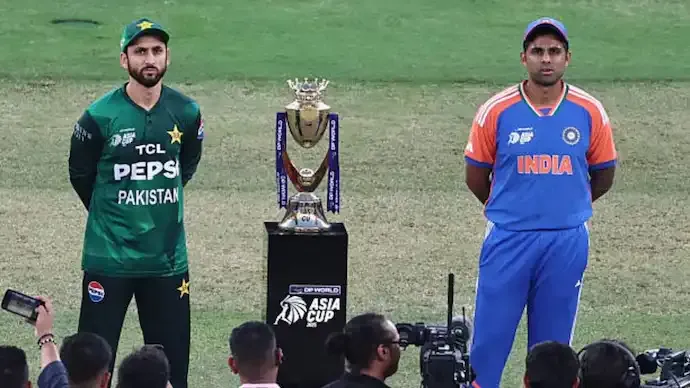
India-Pakistan cricket fixtures are widely regarded as some of the most lucrative events in the sport, generating massive viewership and commercial revenue. Sethi acknowledged that choosing to boycott or avoid high-profile matches could have financial consequences, but he argued that long-term credibility and autonomy should take precedence over short-term earnings.
The comments reflect broader frustrations within Pakistan’s cricketing circles, where officials have often voiced concerns about scheduling arrangements, hosting rights and decision-making processes within global cricket bodies. According to Sethi, standing up to perceived pressure is seen as necessary to ensure fair representation and balanced governance within the ICC framework.
ICC Governance Debate Intensifies
The debate around governance in international cricket has gained traction in recent years, with several stakeholders pointing to the growing economic dominance of Indian cricket. The BCCI’s commercial power, driven by large broadcasting deals and a massive fan base, has significantly shaped the financial ecosystem of the sport.
Critics argue that this influence can affect tournament structures and policy decisions, while supporters say India’s contribution helps sustain global cricket financially. Sethi’s remarks have reignited this ongoing conversation, highlighting the complex relationship between economic strength and administrative influence.
Impact on T20 World Cup Dynamics
With the T20 World Cup approaching, tensions between cricket boards could have implications for scheduling, broadcasting rights and fan engagement. India versus Pakistan matches are traditionally among the most anticipated contests, often drawing record-breaking viewership figures across continents.
Analysts believe that any decision to avoid such fixtures could reshape the tournament’s commercial landscape. However, some observers suggest that strong statements from former officials may also be part of broader negotiations aimed at gaining leverage in discussions within cricket’s governing structures.
Balancing Rivalry and Cooperation
Despite periodic disagreements, cricket boards from India and Pakistan have historically found ways to maintain cooperation through ICC events even when bilateral series remain suspended. The evolving situation underscores how cricket continues to intersect with diplomacy, economics and public sentiment across South Asia.
Sethi’s comments highlight a larger question facing the sport: how to balance financial realities with calls for equitable governance. As global cricket moves toward an increasingly commercial future, debates around power distribution within the ICC are likely to intensify.
While it remains unclear how current administrators will respond to such statements, the conversation reflects ongoing shifts in the sport’s political and economic landscape. With millions of fans closely watching developments, the lead-up to the T20 World Cup could see further discussions around fairness, representation and the future direction of international cricket.