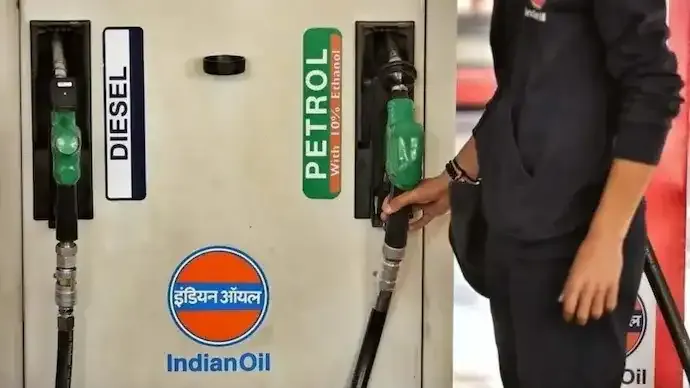
The reported agreement between the United States and Iran to end months of hostilities and reopen the Strait of Hormuz has brought optimism to global markets and relief to oil-importing nations such as India.
After a prolonged period of geopolitical uncertainty that pushed crude oil prices higher and increased concerns about global energy supplies, the possibility of lasting peace could have significant economic implications for India.
As one of the world's largest crude oil importers, India closely monitors developments in West Asia because regional stability directly affects inflation, trade, and economic growth.
Why the Strait of Hormuz Matters
The Strait of Hormuz is one of the world's most important energy corridors.
A significant portion of global crude oil and liquefied natural gas shipments pass through this narrow waterway connecting the Persian Gulf to international markets.
Any disruption in the region can:
-
Raise oil prices
-
Increase shipping costs
-
Affect global supply chains
-
Create market uncertainty
-
Trigger inflationary pressures
For India, which imports more than 85% of its crude oil needs, stability in Hormuz is critically important.
Lower Crude Oil Prices Could Reduce Import Costs
One of the most immediate benefits of a successful peace agreement would be lower crude oil prices.
During the conflict, fears of supply disruptions pushed energy prices upward, increasing India's import bill.
If oil prices stabilize or decline, India could benefit through:
-
Reduced import expenditure
-
Improved trade balance
-
Lower fuel costs
-
Reduced pressure on government finances
-
Better corporate profitability
Lower energy costs often provide broad-based economic relief across multiple sectors.
Relief for Inflation
Crude oil prices have a direct impact on inflation because energy costs influence transportation, manufacturing, and logistics.
When oil becomes more expensive, businesses often pass on higher costs to consumers.
A sustained decline in crude prices could help:
-
Control fuel inflation
-
Moderate transportation costs
-
Reduce input costs for industries
-
Stabilize consumer prices
-
Support household spending
Economists view energy prices as one of the most important factors influencing inflation trends in India.
Potential Support for the Rupee
The Indian rupee often faces pressure when oil prices rise because importers require more foreign currency to pay for energy purchases.
A decline in crude prices could improve demand-supply dynamics in the foreign exchange market and support the rupee.
A stronger rupee may lead to:
-
Lower import costs
-
Reduced imported inflation
-
Greater investor confidence
-
Improved financial stability
Currency stability remains an important factor for businesses and policymakers alike.
Positive Impact on Stock Markets
Financial markets generally respond positively to reduced geopolitical uncertainty.
A successful peace agreement could encourage investors by lowering concerns related to:
-
Energy supply disruptions
-
Global inflation
-
Trade bottlenecks
-
Economic uncertainty
Lower oil prices often benefit sectors such as aviation, manufacturing, logistics, automobiles, and consumer goods.
Investors may also view improved regional stability as a positive signal for emerging markets, including India.
Trade and Shipping Routes Could Stabilize
The conflict had raised concerns about shipping security in and around the Strait of Hormuz.
Many global shipping companies faced increased risks and insurance costs during the period of uncertainty.
A peaceful resolution could lead to:
-
Safer maritime routes
-
Lower shipping costs
-
Improved trade efficiency
-
Reduced logistical disruptions
-
More predictable supply chains
For a trade-dependent economy like India, secure shipping routes are essential.
Energy Security Gets a Boost
India has consistently prioritized energy security as a strategic objective.
Reduced tensions in West Asia could improve the reliability of energy supplies from major oil-producing nations.
Stable energy supplies help businesses plan investments more effectively while reducing the risk of sudden economic shocks.
Benefits Depend on Lasting Stability
While markets have welcomed reports of the agreement, experts caution that the economic benefits will depend on whether the peace holds over the long term.
Short-term optimism could fade if:
-
Hostilities resume
-
Oil supply disruptions return
-
Shipping routes face renewed threats
-
Sanctions-related uncertainties persist
Investors and policymakers will therefore closely monitor implementation of the agreement.
A Positive Development for India
The reported US-Iran peace deal represents a potentially positive development for India's economy.
Lower crude oil prices, reduced inflationary pressures, a more stable rupee, and secure trade routes could collectively strengthen economic prospects.
However, the ultimate impact will depend on the durability of the agreement and whether regional stability is maintained in the months ahead.
For now, businesses, markets, and policymakers are likely to welcome any development that reduces uncertainty in one of the world's most strategically important regions.
Prev Article
Crude Oil, Monsoon and Fertiliser Costs Raise Fresh Concerns for Indian Economy: Nirmala Sitharaman
Next Article
Strait of Hormuz Reopens: Will Petrol, Diesel and LPG Prices Fall in India?