
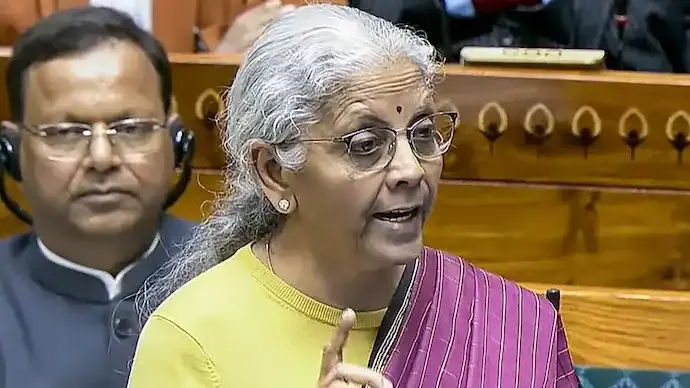
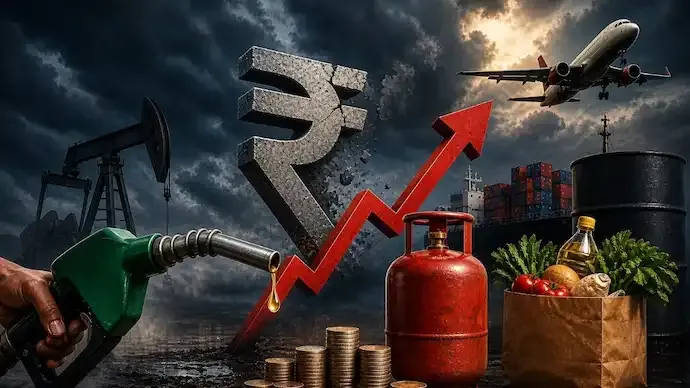
India is facing a fresh wave of economic uncertainty as rising crude oil prices, volatile foreign exchange markets, increasing fertiliser costs, and concerns over monsoon performance create challenges for policymakers.
Finance Minister Nirmala Sitharaman highlighted these concerns while discussing the country's economic outlook, noting that the government is closely monitoring several external and domestic risk factors that could impact growth and inflation.
Despite the challenges, the government says it has taken precautionary measures, including maintaining adequate buffer stocks to safeguard food security.
Why Crude Oil Prices Matter
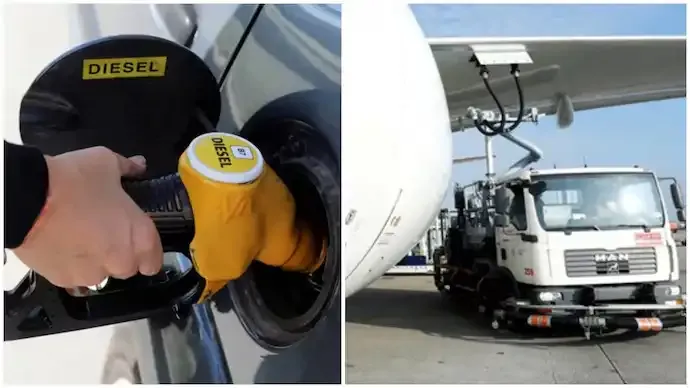
Crude oil remains one of India's biggest economic vulnerabilities because the country imports a significant portion of its energy requirements.
When global oil prices rise, India faces:
- Higher import bills
- Increased transportation costs
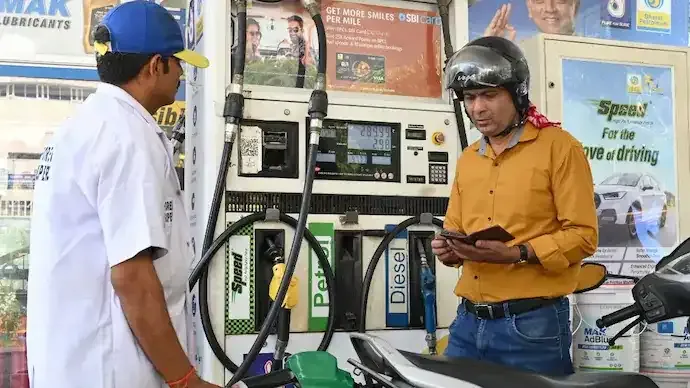
- Rising fuel prices
- Pressure on inflation
- Widening trade deficits
Any sustained increase in crude prices can affect households, businesses, and government finances alike.
Recent geopolitical tensions and disruptions in global energy markets have renewed concerns over oil supply stability.
Impact on Inflation
Higher oil prices often have a cascading effect throughout the economy.
Increased fuel costs can push up:
- Transportation expenses
- Manufacturing costs
- Food prices
- Logistics charges
- Consumer goods prices
Economists frequently describe crude oil as one of the most influential factors affecting inflation in India.
A prolonged rise in oil prices could complicate efforts to maintain price stability.
Foreign Exchange Volatility Adds Pressure
The Finance Minister also pointed to foreign exchange movements as an area of concern.
A weaker rupee can make imports more expensive, particularly for commodities such as:
- Crude oil
- Fertilisers
- Industrial raw materials
- Electronics
- Machinery
Since many essential imports are priced in US dollars, currency fluctuations directly affect India's import costs.
Fertiliser Prices Remain a Major Concern
Global fertiliser prices continue to pose challenges for the government and the agricultural sector.
India imports significant quantities of fertilisers and raw materials required for domestic production.
Higher fertiliser costs can:
- Increase subsidy burdens
- Raise farming expenses
- Affect agricultural productivity
- Put pressure on government finances
The government closely monitors international fertiliser markets because agriculture remains a critical pillar of the Indian economy.
Monsoon Uncertainty Worries Policymakers
The southwest monsoon is another major factor influencing India's economic performance.
Agriculture supports millions of livelihoods and remains heavily dependent on seasonal rainfall.
A weaker-than-expected monsoon could impact:
- Crop production
- Rural incomes
- Food supplies
- Inflation
- Agricultural growth
Recent reports of below-normal rainfall in parts of the country have intensified discussions about monsoon-related risks.
Government Preparing for Rainfall Challenges
Acknowledging concerns about rainfall, Sitharaman stated that the government has prepared for the possibility of a less favorable monsoon season.
Authorities have maintained sufficient buffer stocks to address potential supply disruptions and stabilize food availability if needed.
Buffer stock management remains one of the government's primary tools for controlling food inflation during adverse weather conditions.
Food Security Measures in Place
To mitigate potential risks, the government has reportedly focused on:
- Maintaining food grain reserves
- Monitoring crop conditions
- Strengthening supply chains
- Managing essential commodity stocks
- Reviewing import requirements
These measures aim to ensure that consumers are protected from sharp fluctuations in food prices.
Global and Domestic Risks Interconnected
The current economic challenges illustrate how closely domestic economic conditions are linked to global developments.
Events such as:
- Geopolitical conflicts
- Energy market disruptions
- Commodity price fluctuations
- Currency movements
- Climate variability
can quickly influence India's economic outlook.
This interconnected environment requires continuous monitoring and policy flexibility.
Outlook Remains Cautiously Optimistic
While acknowledging the risks, policymakers remain focused on maintaining economic stability and supporting growth.
The government believes that proactive planning, adequate buffer stocks, and careful monitoring of global developments can help manage emerging challenges.
However, the trajectory of crude oil prices, monsoon performance, fertiliser costs, and foreign exchange markets will remain crucial factors shaping India's economic outlook in the months ahead.



Conversation
Be kind and stay on topic. Comments are moderated; abuse, spam and personal attacks are removed. Report a problem