
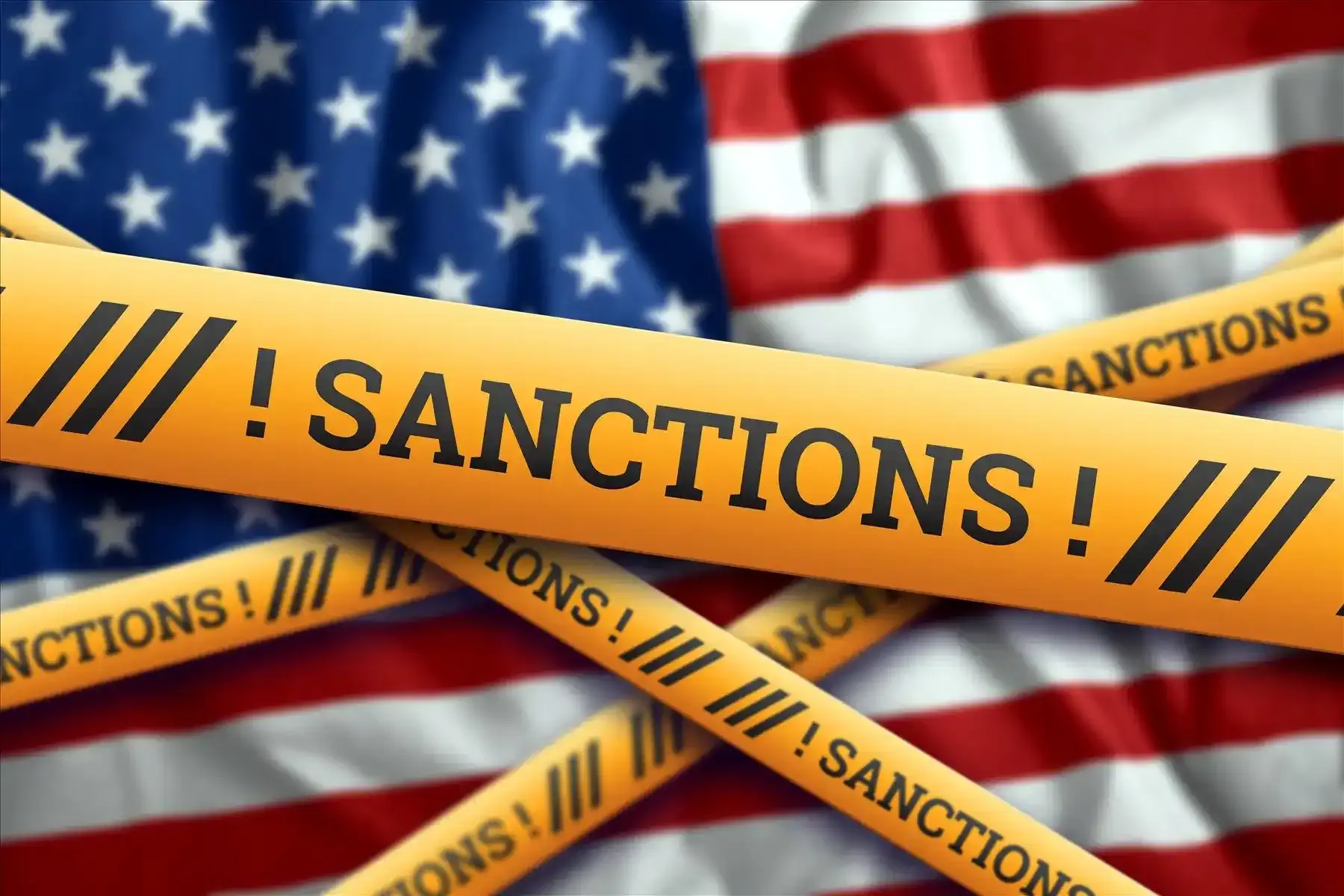
The United States has imposed sanctions on an Indian executive and several companies over allegations that they were involved in supplying explosives, logistics and other support linked to the ongoing civil war in Sudan.
The sanctions were announced by the Office of Foreign Assets Control (OFAC) under the US Treasury Department, which said the action targets networks allegedly contributing to the continuation of the conflict.
Why Did the US Impose Sanctions?
According to the US government, the sanctioned individuals and entities are alleged to have supported networks involved in supplying:
- Explosives.
- Weapons-related materials.
- Logistics assistance.
- Foreign fighters.
US authorities claim these activities have contributed to prolonging Sudan's civil war and worsening the humanitarian crisis in the country.
The allegations form the basis of the sanctions announced by the US Treasury Department.
Indian Executive Among Those Sanctioned
The sanctions include an Indian national associated with an explosives manufacturing company based in Raipur, along with several other individuals and entities.
The US government alleges that the network played a role in facilitating supplies connected to parties involved in the conflict.
At the time of the announcement, no judicial finding establishing criminal liability had been reported, and the sanctions represent an administrative action under US law.
Conflict in Sudan
Sudan has been experiencing a devastating civil war involving the:
- Sudanese Armed Forces (SAF).
- Rapid Support Forces (RSF).
The conflict has resulted in:
- Thousands of deaths.
- Large-scale displacement.
- Severe humanitarian challenges.
- Disruptions to essential services.
- Growing international concern.
Global organisations continue to call for humanitarian assistance and a peaceful resolution to the conflict.
US Statement on the Sanctions
The US government stated that the targeted networks allegedly enabled both sides of the conflict through the supply of weapons-related materials, explosives and logistical support.
US officials said such activities have contributed to prolonging the conflict and creating conditions that have deepened one of the world's most serious humanitarian crises.
The sanctions are intended to restrict financial transactions and limit access to US-based assets and financial systems for the designated individuals and entities.
What Do US Sanctions Mean?
When the United States imposes sanctions through OFAC, the measures can include:
- Freezing assets under US jurisdiction.
- Restricting financial transactions.
- Blocking dealings with US persons and entities.
- Limiting access to the US financial system.
The exact impact depends on the scope of each designation and applicable US regulations.
Why This Development Matters
The latest sanctions reflect increasing international efforts to monitor and disrupt networks allegedly supporting armed conflicts.
The move also highlights the broader global focus on:
- Conflict financing.
- Arms supply networks.
- International sanctions enforcement.
- Humanitarian protection.
- Cross-border trade compliance.
Companies involved in international trade are generally expected to comply with applicable sanctions regulations in the jurisdictions where they operate.
Conclusion
The United States has expanded its sanctions related to the Sudan conflict by targeting an Indian executive and multiple entities over alleged involvement in supply networks connected to the war. The action underscores growing international scrutiny of financial, logistical and commercial links that may contribute to armed conflicts. As the humanitarian situation in Sudan remains critical, global efforts continue to focus on limiting support for violence while encouraging accountability and peace.
FAQs
1. Why has the US imposed sanctions on an Indian executive?
The US alleges that the individual was connected to networks supplying explosives and logistical support linked to Sudan's ongoing conflict.
2. Which US agency announced the sanctions?
The sanctions were imposed by the Office of Foreign Assets Control (OFAC) under the US Treasury Department.
3. What is the conflict in Sudan about?
Sudan is experiencing a civil war involving the Sudanese Armed Forces (SAF) and the Rapid Support Forces (RSF), resulting in a major humanitarian crisis.
4. What do US sanctions typically involve?
Sanctions may include asset freezes, restrictions on financial transactions and limits on access to the US financial system.
5. Have criminal convictions been announced in this case?
The sanctions are administrative measures under US law based on the allegations announced by US authorities. They are separate from criminal court convictions.
6. Why is this development significant?
The sanctions highlight increasing international efforts to target networks allegedly supporting armed conflicts and to address humanitarian crises.

Conversation
Be kind and stay on topic. Comments are moderated; abuse, spam and personal attacks are removed. Report a problem