
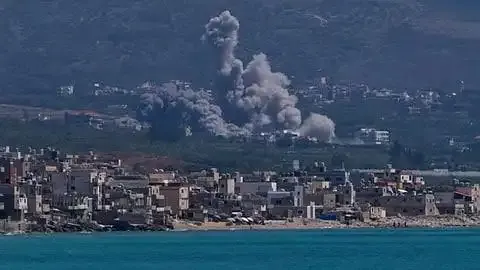
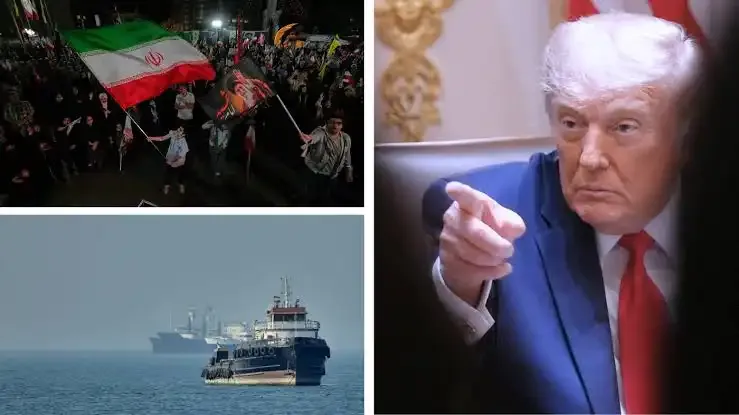
Tensions between the United States and Iran have escalated once again after the US launched military strikes on Iranian targets following an alleged drone attack on a commercial cargo vessel transiting the Strait of Hormuz.
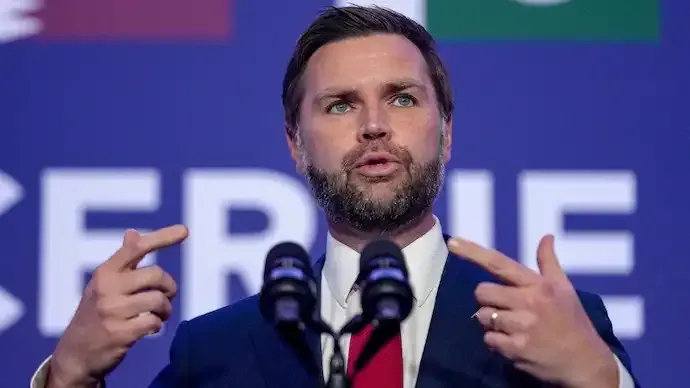
Shortly after the operation, US Vice President JD Vance issued a strong warning to Tehran, saying any future aggression would receive an equally forceful response.
What Triggered the Latest US Strikes?
The latest military action followed allegations that an Iranian drone targeted a commercial cargo ship passing through the strategically important Strait of Hormuz.
In response, the United States carried out strikes on Iranian targets, describing the operation as a retaliatory measure against what it considers hostile actions threatening regional security and international shipping.
The developments mark another significant escalation in the ongoing tensions between Washington and Tehran.
JD Vance's Message to Iran
Following the strikes, Vice President JD Vance defended the US response and warned Iran against further military action.
In a statement posted on social media, Vance said:
"Iran signed a ceasefire agreement. We have honored it. If they have disagreements about how the MOU is being applied, they can pick up the phone. But violence will be met with violence."
His remarks underline the US administration's position that diplomatic channels remain available, but military attacks will be answered with force.
US Says It Honoured the Ceasefire
According to the US administration, it has continued to abide by the ceasefire agreement reached with Iran.
Officials argue that if disputes arise regarding the implementation of the memorandum of understanding (MoU), they should be resolved through dialogue rather than military confrontation.
The statement reflects Washington's view that diplomacy remains preferable, provided both sides avoid further escalation.
Why the Strait of Hormuz Matters
The Strait of Hormuz is one of the world's most strategically important maritime routes.
A substantial share of global crude oil and liquefied natural gas shipments passes through this narrow waterway, making any security incident in the region a matter of international concern.
Military tensions in the area often lead to increased attention from global markets due to potential disruptions in energy supplies and commercial shipping.
Rising US-Iran Tensions
Relations between the United States and Iran have remained strained over several years because of disagreements involving regional security, sanctions, military activities and nuclear issues.
Recent incidents have further heightened concerns about:
- Maritime security.
- Regional stability.
- Energy supply routes.
- Diplomatic relations.
- Military escalation in the Middle East.
International observers continue to closely monitor developments as both countries respond to the evolving situation.
What Could Happen Next?
The latest exchange has increased uncertainty across the Middle East.
Analysts will be watching for:
- Iran's official response.
- Further US military or diplomatic actions.
- Regional security developments.
- International mediation efforts.
- The impact on global shipping and energy markets.
Efforts to prevent a wider regional conflict are likely to remain a priority for the international community.
Conclusion
JD Vance's warning that "violence will be met with violence" reflects the United States' firm response following its retaliatory strikes on Iranian targets. With tensions once again rising in the Strait of Hormuz, attention is now focused on whether both countries can prevent further escalation through diplomacy or whether the conflict risks expanding further. The coming days are expected to play a crucial role in determining the direction of US-Iran relations.
FAQs
1. Why did the US launch strikes on Iran?
The United States said the strikes were carried out in response to an alleged Iranian drone attack on a commercial cargo vessel in the Strait of Hormuz.
2. What did JD Vance say?
The US Vice President said that while diplomatic communication remains possible, "violence will be met with violence" if Iran carries out further aggression.
3. What is the significance of the Strait of Hormuz?
It is one of the world's busiest shipping routes for oil and gas, making it strategically important to global trade and energy markets.
4. Has the US said it is observing the ceasefire?
Yes. US officials stated that they have honoured the ceasefire agreement and expect disputes to be addressed through dialogue.
5. Why are US-Iran tensions important globally?
Any escalation can affect regional security, international shipping, global energy prices and diplomatic relations.
6. What happens next?
Attention is now on Iran's response, potential diplomatic efforts and whether both countries can avoid further military escalation.

Conversation
Be kind and stay on topic. Comments are moderated; abuse, spam and personal attacks are removed. Report a problem