

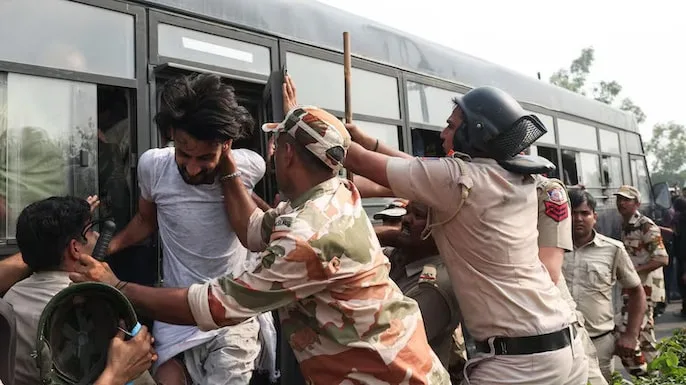

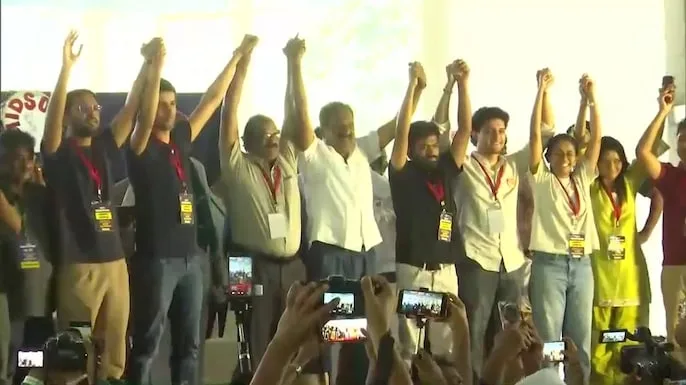
More than 3,000 people were detained across Delhi on October 10 during protests organised by the Cockroach Janta Party (CJP) against Chief Election Commissioner Gyanesh Kumar over allegations of voter-list manipulation. Despite a major security deployment and restrictions on the demonstration, CJP leaders urged supporters to continue towards Jantar Mantar, where the party had planned its protest.
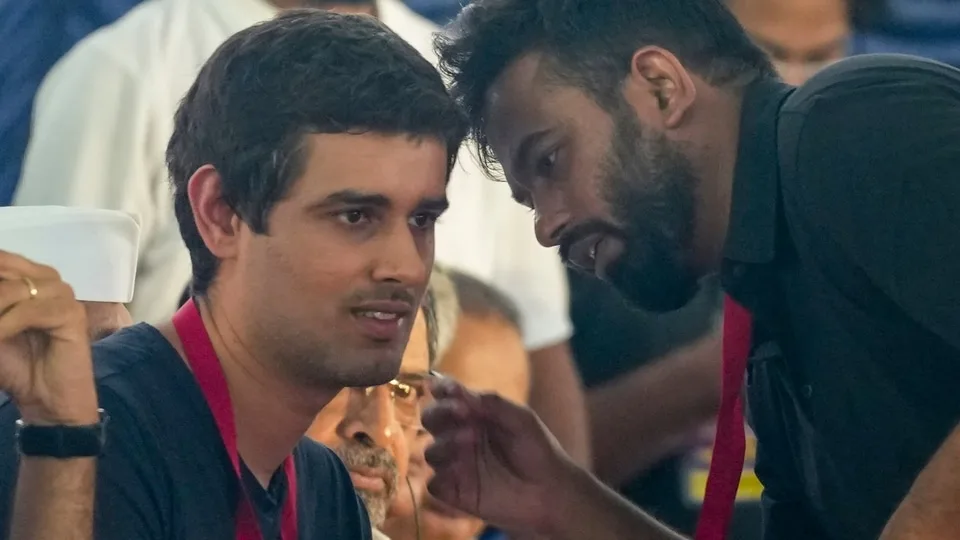
CJP founder Abhijeet Dipke and other senior leaders were detained shortly after their flight landed at Delhi's Indira Gandhi International Airport. With several key organisers in custody, Ajinkya Shinde took the lead and appealed to protesters to gather at Jantar Mantar or continue demonstrating wherever police stopped them.
Delhi Police had deployed more than 20,000 personnel, including members of the Central Armed Police Forces, across the capital. Authorities also carried out preventive detentions and vehicle checks amid concerns about a large mobilisation. Protesters attempting to reach Jantar Mantar were detained at locations including Connaught Place.

Opposition Leaders and Activists React
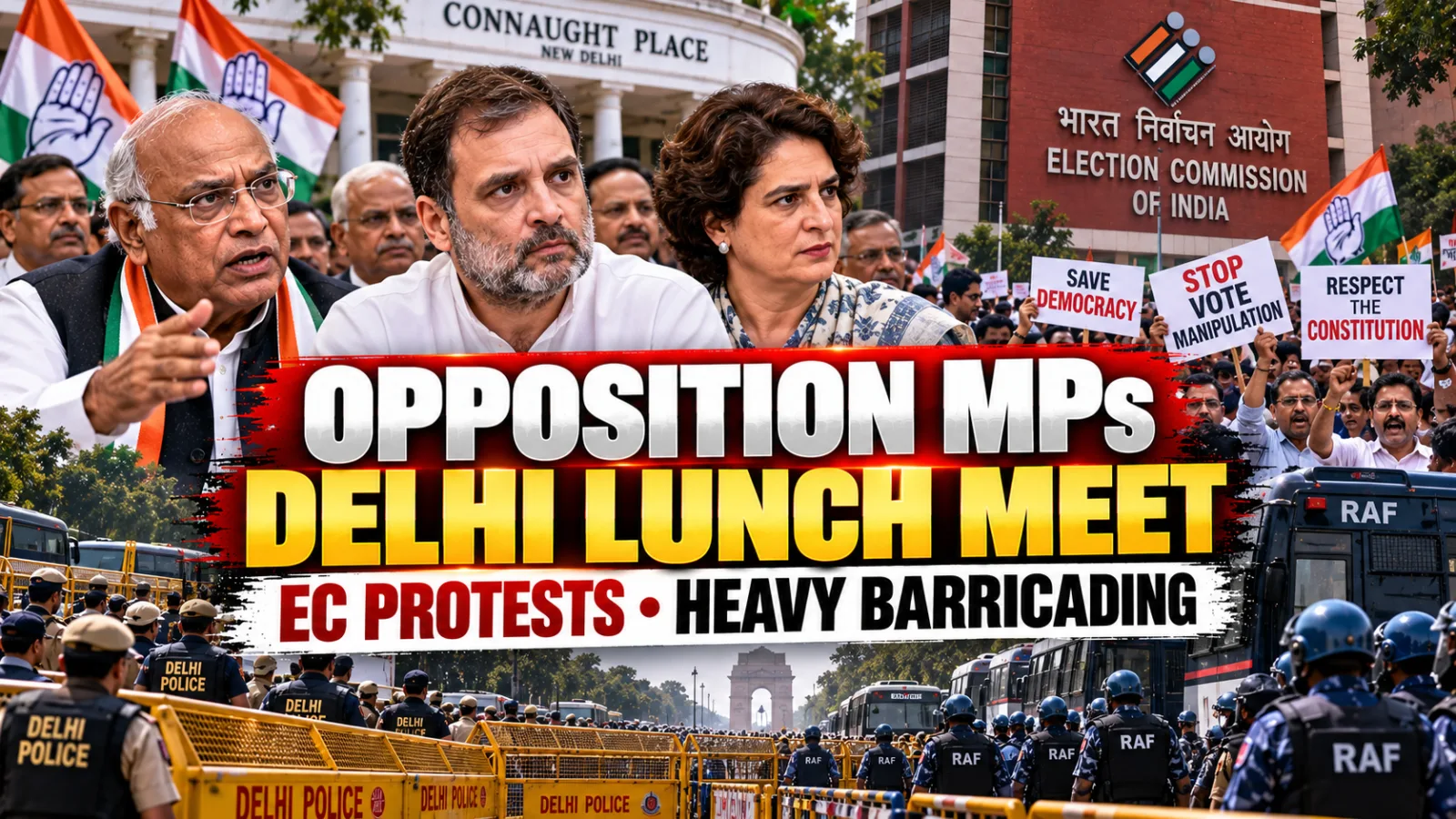
Several opposition leaders were detained during the protests, including former chief ministers Arvind Kejriwal, Mamata Banerjee, Pinarayi Vijayan and Manik Sarkar, according to the live updates.
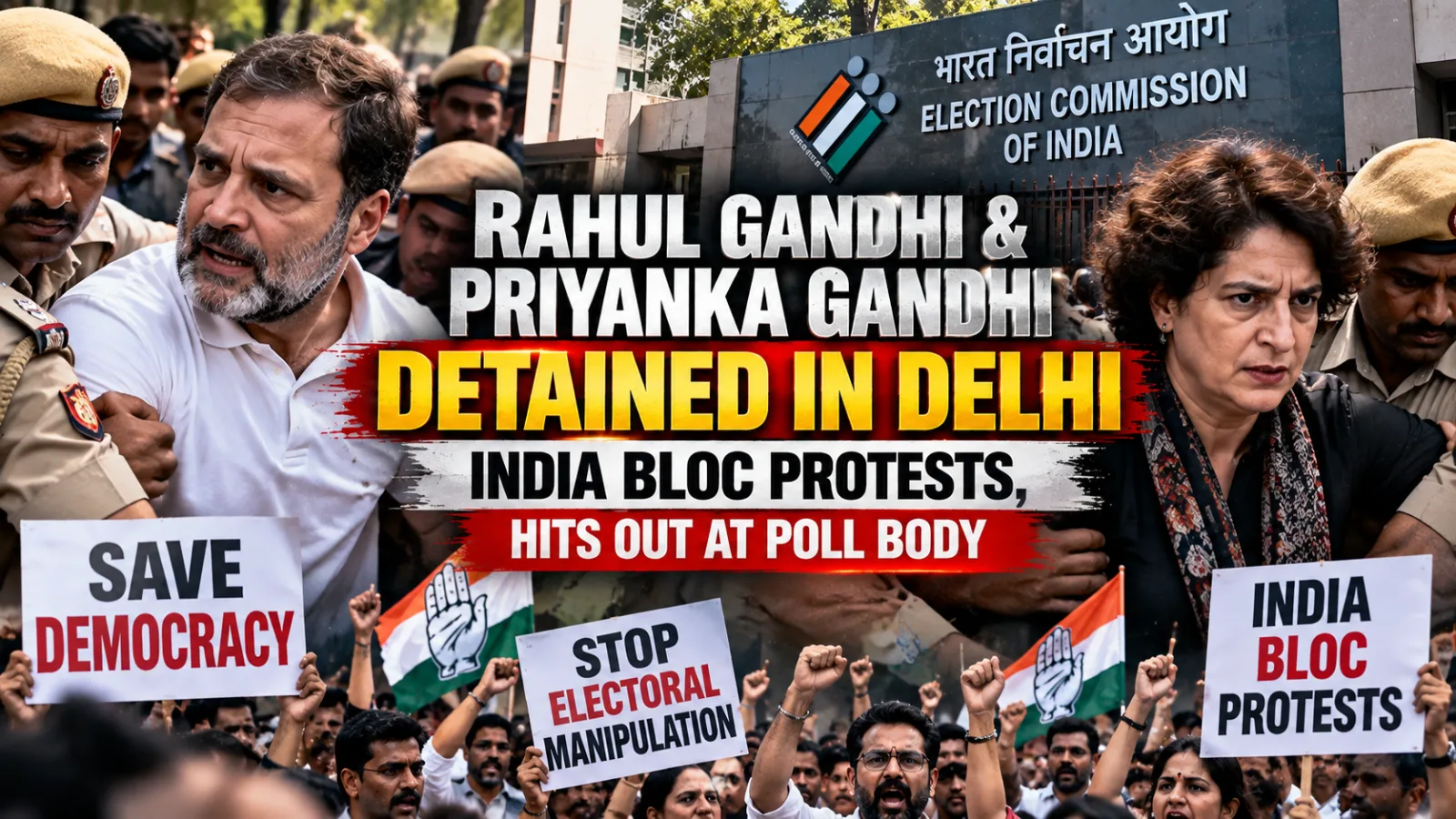
Banerjee began a dharna at the police station where she was being held and said she would not return to Kolkata that night. Congress leader Rahul Gandhi backed the protesters, saying young people raising questions about electoral processes deserved to be heard.
Priyanka Gandhi Vadra also criticised the police action, while Karnataka Deputy Chief Minister D K Shivakumar called for institutional accountability and protection of citizens' right to peaceful dissent.
Activist Sonam Wangchuk described the developments as an “undeclared emergency” and called for the release of detained leaders. He said he might consider a hunger strike or padyatra if they were not released by Sunday.
Protests Spread Beyond Delhi
Demonstrations in solidarity with the CJP also took place in Mumbai. More than 400 people were reportedly detained at August Kranti Maidan, where activists and supporters had assembled to protest against the Election Commission and the electoral-roll revision exercise.
Actor Imran Khan was among those detained in Mumbai. He said he had attended as a citizen to question restrictions on movement and the suppression of people's voices.
In Delhi, lawyers seeking access to detained protesters clashed with police after being prevented from approaching a senior officer's vehicle. They later attempted to reach Chhatrasal Stadium, where officers stopped them at the entrance.
Security Restrictions Disrupt Public Life
The security response affected transport and public activity across the capital. Delhi Metro announced that 45 stations, closed since Friday night for security reasons, would remain shut until 10 pm on Saturday, subject to further review.
Rail passengers also reported disruption, including train cancellations and difficulties accessing mobile internet and digital payment services in affected areas. Dilli Haat was closed for the day amid security concerns.
Delhi Police said a viral video circulating during the protests was old and had been shared without its original context. The authorities also issued a statement explaining why permission for the CJP demonstration at Jantar Mantar had been denied.
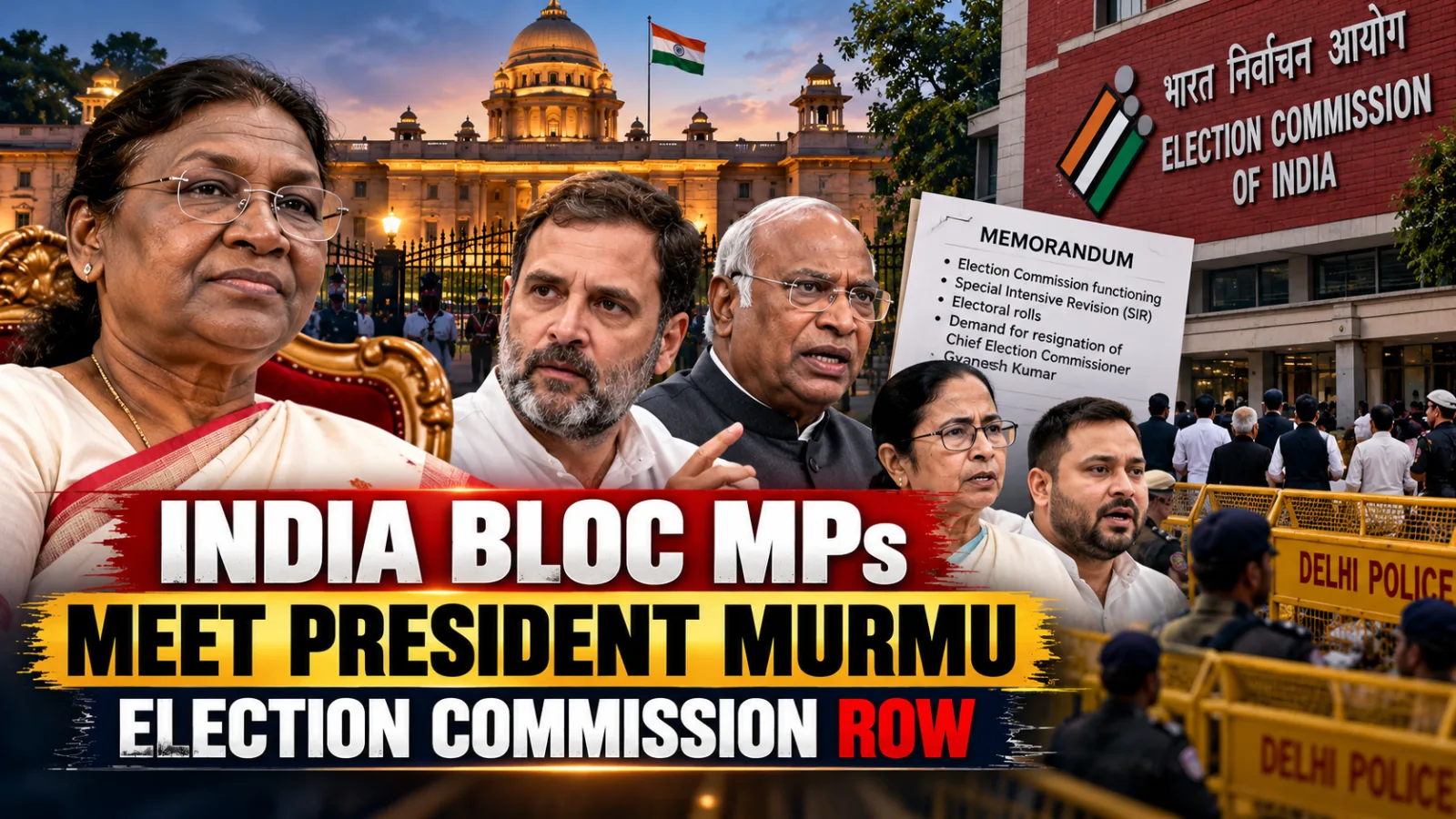
The protest centres on allegations of manipulation in electoral rolls and demands for Chief Election Commissioner Gyanesh Kumar's resignation. While opposition leaders and activists have criticised the detentions, a group of 124 former civil servants issued an open letter defending the Election Commission and the Special Intensive Revision process.




Conversation
Be kind and stay on topic. Comments are moderated; abuse, spam and personal attacks are removed. Report a problem