

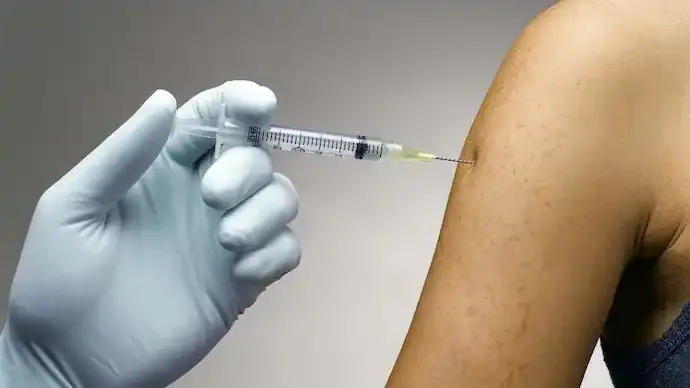

India's National List of Essential Medicines (NLEM) is facing renewed scrutiny after leading public health experts called for an urgent revision to include several modern cancer medicines that have become standard treatments across the world.
Medical professionals and healthcare advocates believe that the absence of breakthrough cancer therapies from the country's essential medicines list is limiting affordable access for thousands of patients who could benefit from these life-saving drugs.
Among the medicines at the centre of the debate are pembrolizumab, widely sold under the brand name Keytruda, and ibrutinib, both of which have significantly changed the treatment of several cancers over the past decade.

Why experts are demanding an update to the NLEM
A coalition of healthcare specialists under the Working Group on Access to Medicines and Treatments has appealed to the Union government to revise the National List of Essential Medicines in line with the latest recommendations of the World Health Organization (WHO).
According to the experts, India's current list no longer reflects the rapid advances made in cancer treatment over recent years. They argue that many innovative medicines now considered essential internationally are still unavailable through India's updated essential medicines framework.
The group believes that revising the list would strengthen public healthcare systems, improve procurement by government hospitals, and make critical treatments more affordable for patients.
What is the National List of Essential Medicines?
The National List of Essential Medicines (NLEM) identifies medicines considered most important for addressing the country's priority healthcare needs. Medicines included in the list are often prioritised for procurement in public hospitals and can also come under government price regulation, making them more affordable.
The list is periodically reviewed to ensure it keeps pace with medical advances, disease burden, and evidence-based treatment guidelines.
Healthcare experts say that regular revisions are especially important in rapidly evolving fields such as oncology, where new therapies have transformed patient outcomes.
Why Keytruda has become one of the world's most important cancer drugs
Pembrolizumab (Keytruda) is an immunotherapy medicine that helps the body's immune system identify and attack cancer cells more effectively.
Over the years, it has become one of the most widely used cancer medicines globally and is approved for treating more than 20 different types of cancers, including:
- Lung cancer
- Melanoma
- Head and neck cancers
- Kidney cancer
- Cervical cancer
- Bladder cancer
- Certain colorectal cancers
- Esophageal cancer
- Triple-negative breast cancer
Instead of directly attacking cancer cells like conventional chemotherapy, immunotherapy enhances the immune response, allowing the body to fight cancer more effectively in eligible patients.
Why ibrutinib is considered a breakthrough treatment
Another medicine drawing attention is ibrutinib, a targeted therapy used primarily for specific blood cancers.
The drug has changed treatment strategies for diseases such as:
- Chronic Lymphocytic Leukemia (CLL)
- Mantle Cell Lymphoma
- Waldenström Macroglobulinemia
- Small Lymphocytic Lymphoma
Unlike traditional chemotherapy, targeted therapies focus on specific proteins that help cancer cells survive, often resulting in better disease control for many patients.
How inclusion in NLEM could benefit patients
Health experts say adding newer cancer medicines to the NLEM could create several long-term benefits.
Improved affordability
Many advanced cancer medicines remain extremely expensive for patients paying out of pocket. Inclusion in the essential medicines list could support pricing interventions and wider government procurement.
Better availability
Government hospitals may find it easier to stock medicines included in the NLEM, improving access across different states.
Stronger public healthcare
Patients receiving treatment through public health programmes could potentially benefit from wider access to internationally recommended therapies.
Alignment with global standards
Experts also believe India should regularly harmonise its essential medicines list with updated WHO recommendations while considering local healthcare needs.
Rising cancer burden increases urgency
India continues to witness a growing number of cancer cases due to factors including population growth, ageing, lifestyle changes, tobacco use, environmental exposure, and improved diagnosis.
As treatment options evolve rapidly, healthcare specialists argue that national medicine policies should also keep pace to ensure patients are not left behind.
Many cancers that once had limited treatment options now have targeted medicines and immunotherapies capable of improving survival and quality of life for eligible patients.
Challenges beyond inclusion
While adding newer medicines to the NLEM could improve accessibility, experts also note that inclusion alone will not solve every challenge.
Several additional issues remain important:
High treatment costs
Even after price regulation, many biological medicines remain expensive to manufacture.
Infrastructure
Advanced cancer therapies often require specialised oncology centres, trained healthcare professionals, and careful patient monitoring.
Diagnostic testing
Some immunotherapy medicines require biomarker testing before treatment can begin, making diagnostic access equally important.
Insurance coverage
Greater reimbursement through public and private health insurance schemes would also be necessary to expand access.
What could happen next?
Healthcare stakeholders are expecting the government to review the recommendations during future updates to the National List of Essential Medicines.
If additional modern cancer medicines are included, the move could influence medicine pricing, procurement policies, treatment guidelines, and availability across public healthcare institutions.
Medical experts believe timely revisions are essential to ensure India's healthcare system keeps pace with scientific progress while improving equitable access to advanced cancer treatment.
Featured Snippet
Health experts have urged the Union government to urgently revise India's National List of Essential Medicines (NLEM), saying important cancer drugs such as pembrolizumab (Keytruda) and ibrutinib should be included to improve affordable access to modern life-saving cancer treatments.
Key Highlights
- Health experts seek an immediate revision of India's National List of Essential Medicines.
- Modern cancer medicines such as Keytruda and ibrutinib remain outside the current NLEM.
- Experts want the list aligned with the latest WHO Essential Medicines recommendations.
- Inclusion could improve affordability and availability of cancer treatments.
- Immunotherapy and targeted therapies have transformed treatment for several cancers.
- Rising cancer cases have increased calls for faster policy updates.
- Better procurement and price regulation may benefit patients if medicines are added.
Conclusion
The demand to revise India's National List of Essential Medicines highlights the growing gap between rapidly advancing cancer treatments and existing healthcare policy. As oncology continues to evolve, experts believe regular updates to the essential medicines list are necessary to improve affordability, strengthen public healthcare, and ensure patients have access to globally recognised life-saving therapies.
FAQs
1. What is the National List of Essential Medicines (NLEM)?
It is a government-approved list of medicines considered essential for addressing the country's priority healthcare needs.
2. Why are experts asking for an NLEM update?
They believe several modern cancer medicines recommended globally are still missing from India's essential medicines list.
3. What is Keytruda?
Keytruda is the brand name for pembrolizumab, an immunotherapy medicine used to treat multiple types of cancer.
4. What is ibrutinib used for?
Ibrutinib is a targeted therapy used for certain blood cancers, including chronic lymphocytic leukemia and mantle cell lymphoma.
5. How could patients benefit if these medicines are added to the NLEM?
Inclusion could improve affordability, increase availability in government hospitals, and support wider access through public healthcare programmes.
6. Does inclusion in the NLEM guarantee free treatment?
No. However, inclusion can support government procurement, pricing regulation, and broader public health access.
7. Why are immunotherapy medicines important?
They help the body's immune system identify and attack cancer cells, offering effective treatment for several cancers in eligible patients.
8. Is India witnessing an increase in cancer cases?
Yes. The country's cancer burden continues to grow, increasing the need for accessible and affordable modern treatment options.





Conversation
Be kind and stay on topic. Comments are moderated; abuse, spam and personal attacks are removed. Report a problem