

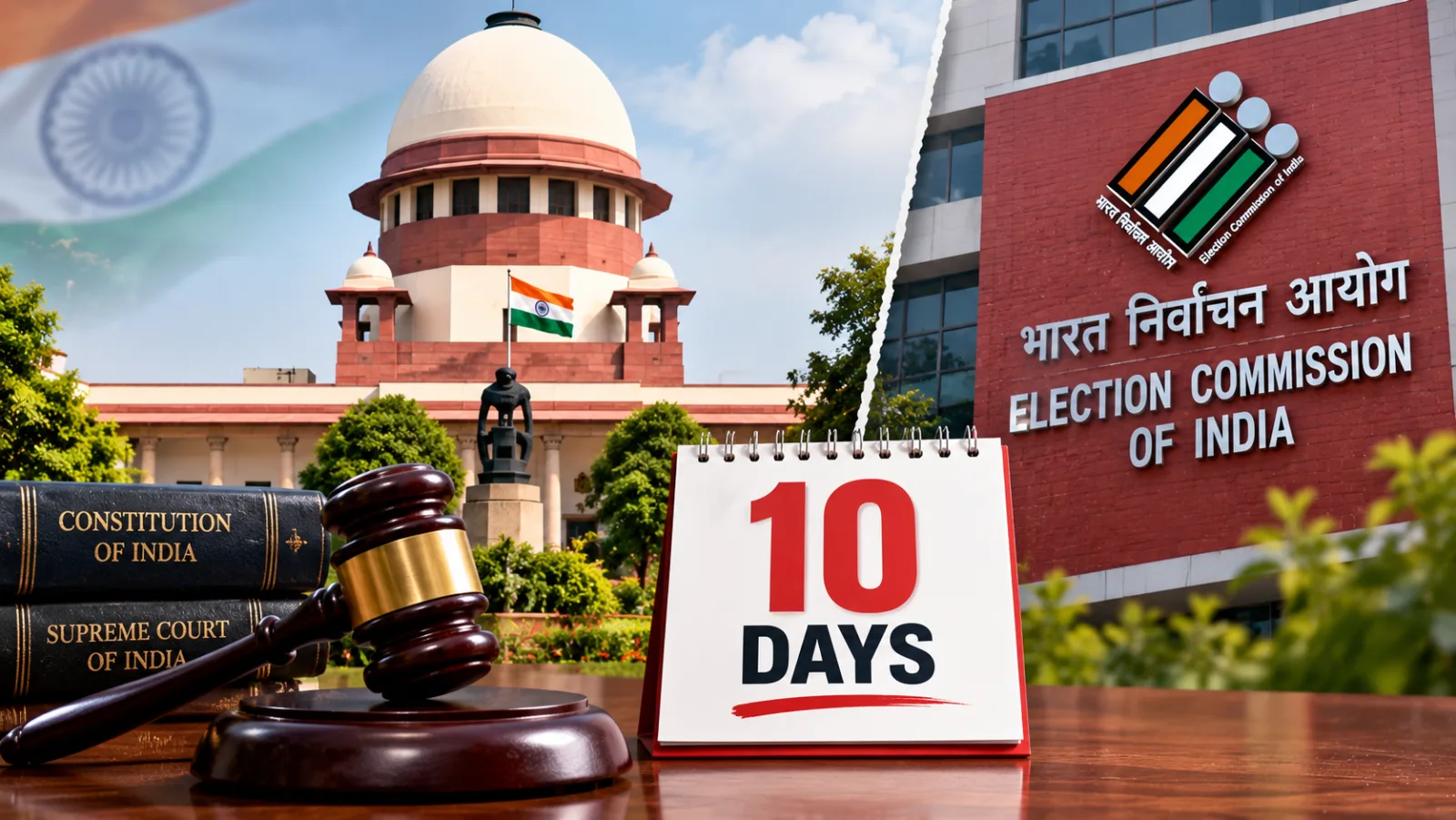

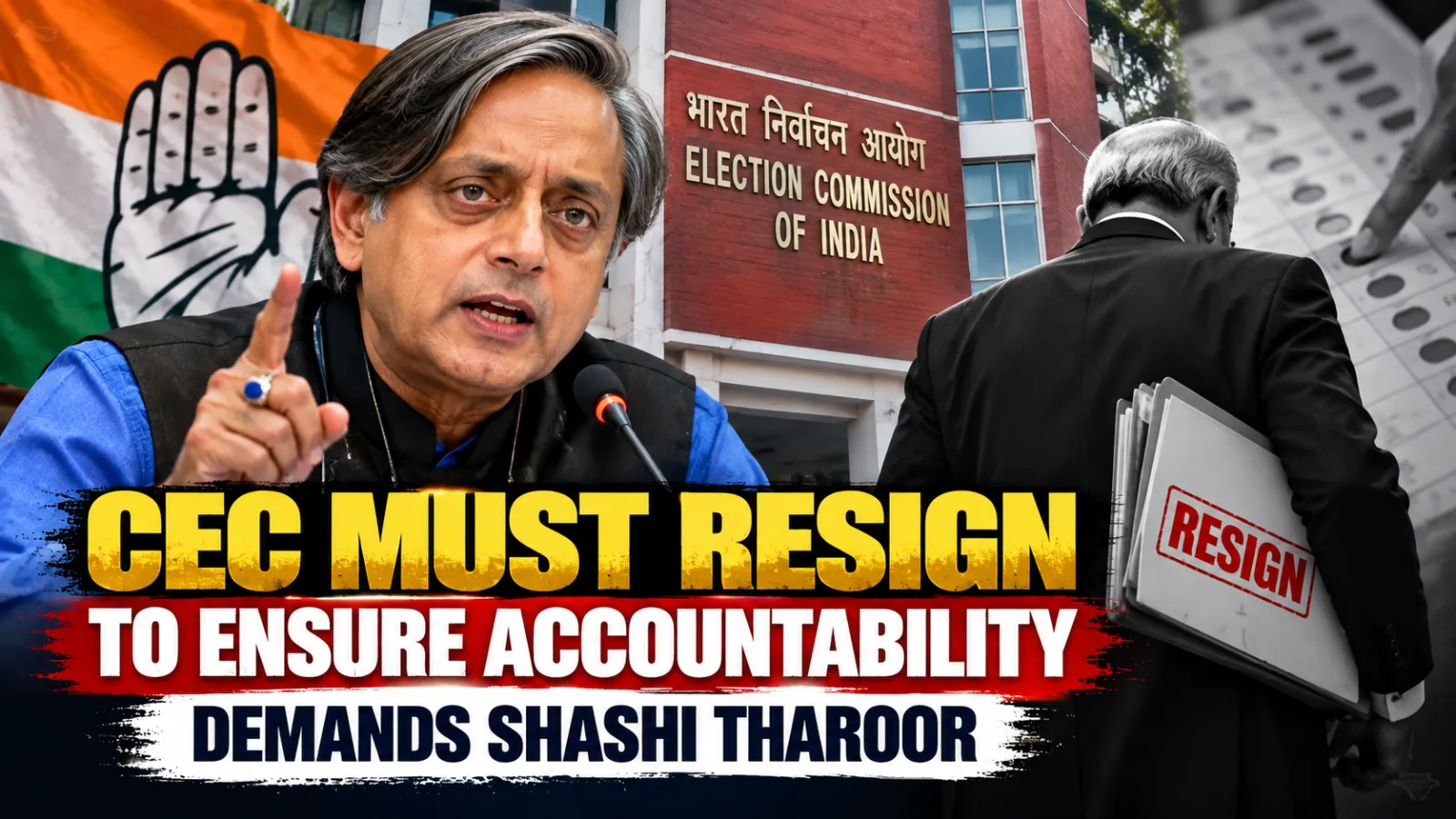
The Supreme Court Election Commission case saw a brief hearing as the court granted petitioners, including opposition leaders, 10 days to respond to the Election Commission of India’s counter-affidavit addressing allegations of unilateral decision-making by Chief Election Commissioner Gyanesh Kumar.
The petitions challenge aspects of the poll body’s functioning and raise questions about how decisions concerning the electoral roll revision process were taken. After hearing the matter, the Supreme Court adjourned the proceedings, with the case likely to be taken up after the court vacations.
Election Commission Rejects Allegations
In its 250-page counter-affidavit, the Election Commission rejected the allegations and maintained that decisions concerning the Special Intensive Revision (SIR) were taken unanimously by the full commission.

The poll body disputed claims that the Chief Election Commissioner had acted unilaterally, arguing that the revision-related orders reflected collective decision-making rather than individual action.
The affidavit forms the commission’s formal response to the challenges raised by the petitioners. The court’s decision to allow them additional time gives the opposition leaders and other petitioners an opportunity to examine the filing and submit their response before the proceedings continue.
Poll Body Cites Constitutional Protections
The Election Commission also highlighted constitutional protections available to the Chief Election Commissioner. It questioned the basis of the petitions, arguing that they relied on a single newspaper report.
The dispute places the commission’s internal decision-making procedures and the legal framework governing the Chief Election Commissioner under judicial scrutiny. However, the latest hearing did not resolve the underlying allegations or determine the merits of the competing claims.
The petitioners are expected to use the allotted period to respond to the commission’s submissions. Further proceedings will allow the court to consider the arguments presented by both sides.
What Happens Next?
The matter has been adjourned, and the next hearing is likely after the court vacations. The Supreme Court’s eventual consideration of the petitions will determine how the allegations and the Election Commission’s defence are examined further.
For now, the commission maintains that the relevant decisions were unanimous, while the petitioners continue to challenge its functioning. No final ruling on the allegations was delivered during the brief hearing.






Conversation
Be kind and stay on topic. Comments are moderated; abuse, spam and personal attacks are removed. Report a problem