



The United States has sharpened its criticism of Europe’s energy and trade policies, with senior American officials accusing European nations of indirectly financing the Russia-Ukraine war even as they publicly project a hard stance against Moscow. The remarks come at a sensitive moment, just as India and the European Union prepare to formally announce the conclusion of a long-pending free trade agreement.
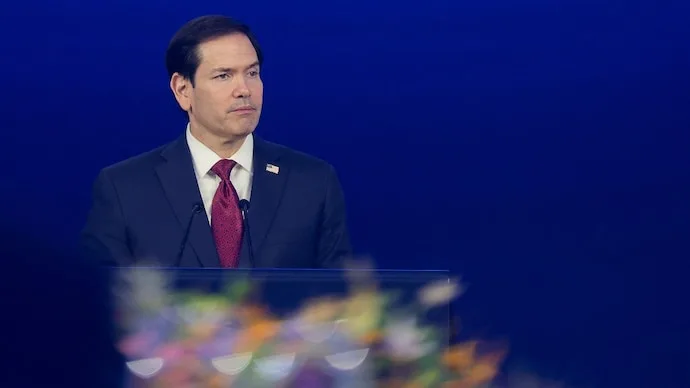
US Treasury Secretary Scott Bessent said Europe was “funding a war against itself” by continuing to purchase refined petroleum products derived from Russian crude, even after phasing out most direct energy imports from Moscow. According to him, the flow of money to Russia has not stopped — it has merely changed routes.
Speaking in a televised interview, Bessent defended Washington’s decision to impose steep tariffs on Indian goods, arguing that Europe’s actions undermine its own security narrative. He pointed to a supply chain where Russian oil is sold to India, refined there, and then exported as finished fuel products to European buyers.

According to Bessent, this trade loop allows European governments to benefit from Russian energy indirectly while avoiding political accountability. He argued that while the US has imposed heavy economic costs on itself through sanctions and trade penalties, European economies continue to exploit loopholes in the global energy market.
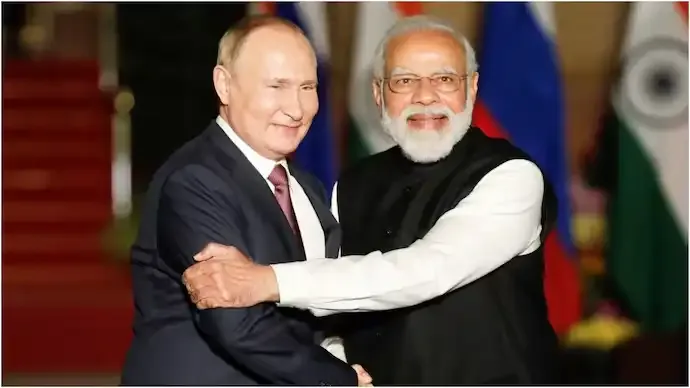
The comments gained additional significance as India and the European Union moved closer to announcing a comprehensive free trade agreement, a pact that has been under negotiation since 2007. Bessent questioned the timing of the deal, suggesting that Europe was deepening economic ties with India even as Washington tightened trade restrictions on New Delhi.
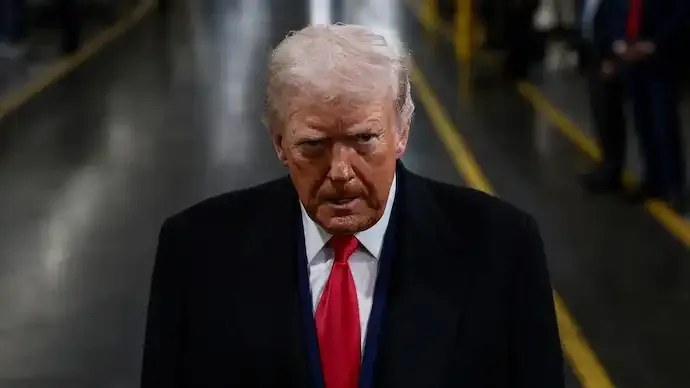
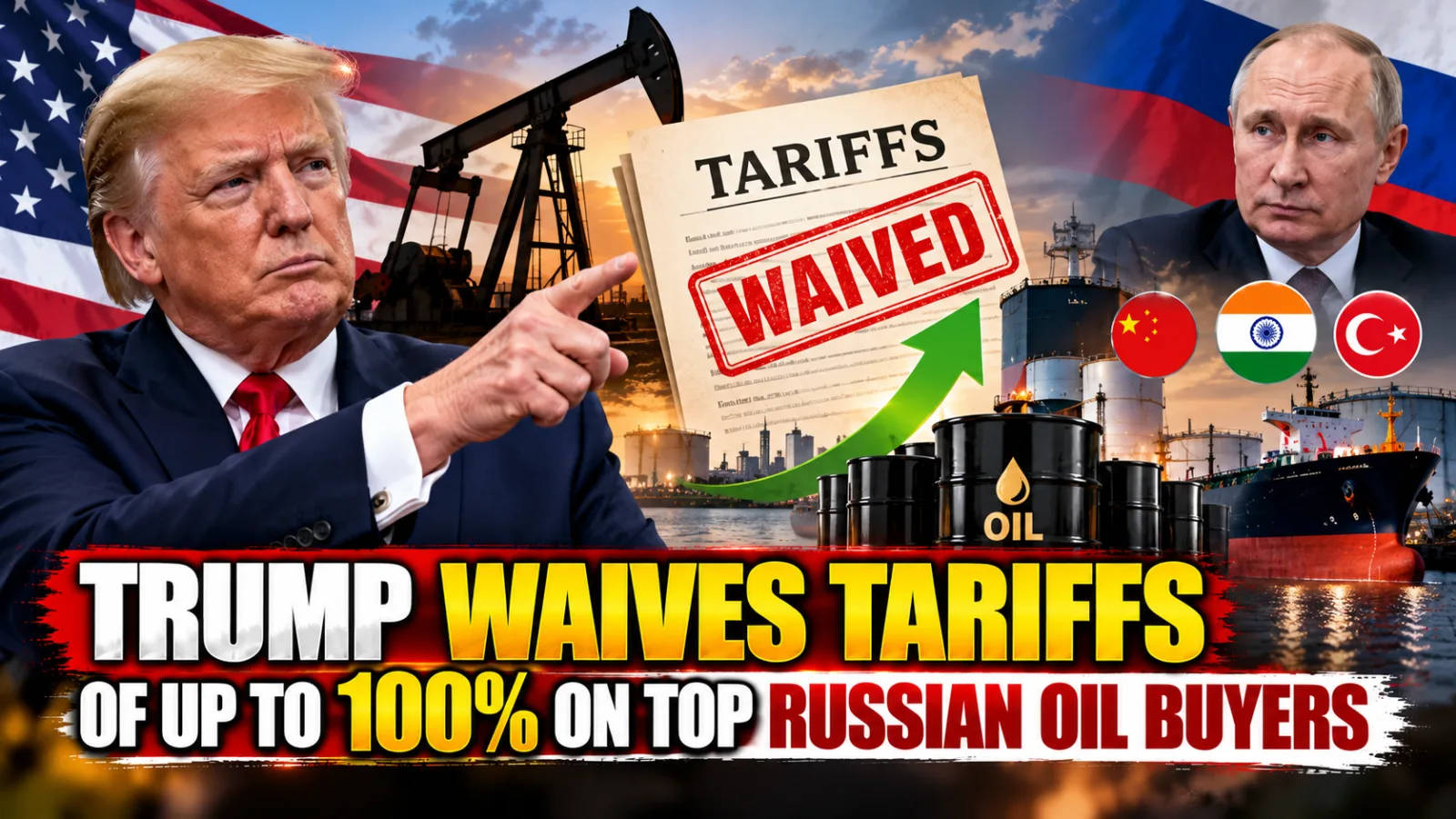
Under the current administration led by Donald Trump, the United States has imposed tariffs of up to 50 per cent on certain Indian exports, including a 25 per cent levy explicitly linked to India’s purchase of Russian crude oil. The measures were framed as part of a broader strategy to pressure global markets away from Russian energy.
Bessent maintained that the approach has delivered results. He said Indian refinery purchases of Russian oil have fallen sharply in recent months, calling it evidence that tariffs are influencing trade behaviour. While the penalties remain in place, he suggested that tariff relief could be considered if the trend continues.
Data released in recent weeks indicates that India’s imports of Russian oil dropped to their lowest levels in nearly two years in December, while supplies from OPEC producers rose significantly. The shift has been interpreted by US officials as validation of Washington’s economic pressure campaign.
At the same time, the nearing India-EU trade pact is expected to reshape global trade flows. The agreement is likely to provide preferential access to European markets for Indian exports across sectors such as textiles, chemicals, engineering goods, leather products, automobiles and footwear. European officials view the deal as a strategic hedge amid global trade disruptions and rising protectionism.
For Washington, however, the agreement highlights what it sees as Europe’s contradictory approach — advocating sanctions and energy discipline while continuing to benefit from Russian hydrocarbons through indirect channels.
The remarks underscore widening transatlantic tensions over trade, energy security and burden-sharing in the Ukraine conflict. While the US insists it has absorbed a disproportionate economic and political cost, it has signalled frustration over what it describes as selective enforcement by allies.
As India strengthens economic partnerships with Europe and recalibrates its energy sourcing, the global trade landscape appears increasingly shaped by strategic rivalry, shifting alliances and competing definitions of economic sacrifice.





Conversation
Be kind and stay on topic. Comments are moderated; abuse, spam and personal attacks are removed. Report a problem