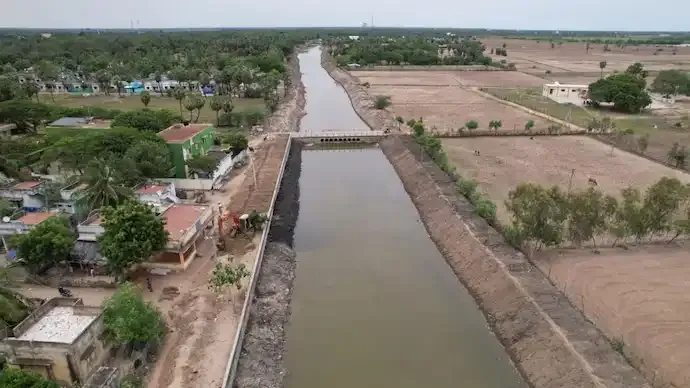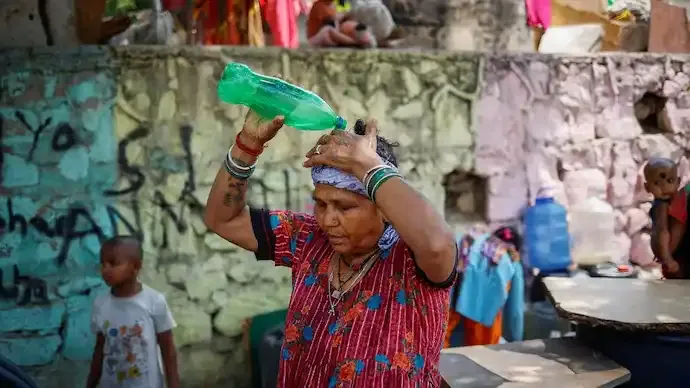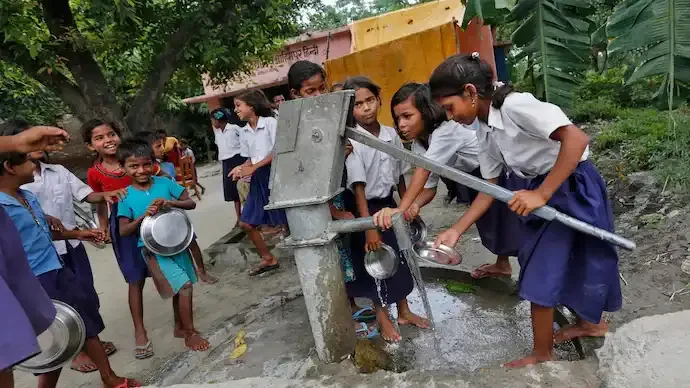
The India groundwater crisis is emerging as one of the most serious environmental challenges facing the country. Years of excessive water extraction have pushed several regions towards severe shortages, with long-term consequences now becoming visible.
What was once considered an invisible resource is now at the centre of a growing national concern, affecting both rural and urban areas.
Over-Extraction Draining Natural Reserves
India has been heavily dependent on groundwater for agriculture, drinking water, and industrial use. However, the rate of extraction has far exceeded the natural recharge capacity of aquifers.
Aquifers, which take decades or even centuries to refill, are being depleted rapidly. This imbalance has led to falling water tables across multiple states.
In many areas, groundwater is no longer easily accessible, forcing communities to dig deeper or rely on alternative sources.
Cities Facing the Risk of Land Subsidence
One of the most alarming outcomes of the India groundwater crisis is land subsidence.
In cities like Delhi, excessive groundwater withdrawal is causing the ground to sink gradually. This happens when water is removed from underground layers, leaving empty spaces that eventually collapse.
The consequences include:
- Structural damage to buildings
- Increased risk of flooding
- Long-term urban instability
This silent transformation is reshaping city landscapes and posing serious risks to infrastructure.
Water Scarcity in Rural India
While urban areas face structural risks, rural regions are dealing with acute water shortages.
In states like Bihar, groundwater remains a primary source of daily water needs. However, declining water levels are making access increasingly difficult.
Communities are forced to depend on limited or contaminated sources, affecting:
- Daily household activities
- Agricultural productivity
- Overall quality of life
Water Quality Concerns Add to Crisis
The India groundwater crisis is not just about quantity but also quality.
Over-extraction often leads to contamination as deeper layers may contain harmful substances like arsenic, fluoride, and heavy metals.
This has serious health implications, especially in regions where groundwater is the only available source of drinking water.
Warning Signs for the Future
The situation reflects a long-term pattern of unsustainable water use. For decades, groundwater has been treated as an unlimited resource, leading to over-dependence.
Experts warn that if current trends continue:
- More cities could face subsidence
- Water shortages may intensify
- Conflicts over water resources could rise
The crisis is no longer a future threat—it is already unfolding.
Need for Sustainable Water Management
Addressing the India groundwater crisis requires immediate and long-term measures, including:
- Promoting rainwater harvesting
- Regulating groundwater extraction
- Improving water conservation practices
- Investing in sustainable infrastructure
Public awareness and policy reforms will play a crucial role in reversing the damage.
A Defining Environmental Challenge
The warning once highlighted by A. P. J. Abdul Kalam about water becoming a major global issue is increasingly relevant today.
India’s groundwater crisis highlights the urgent need to rethink how water resources are managed. The choices made now will determine the country’s environmental and economic stability in the coming decades.