

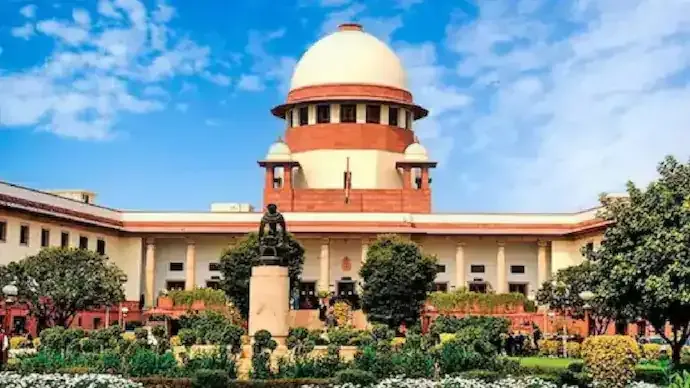

The Supreme Court SC status ruling has clarified that individuals who convert to Christianity are not eligible for Scheduled Caste (SC) status under existing legal provisions.
A bench comprising Justice PK Mishra and Justice NV Anjaria delivered the judgment, reaffirming the legal framework governing caste-based reservations in India.
SC Status Linked to Specific Religions
The court stated that SC status is currently applicable to individuals belonging to Hinduism, Sikhism, and Buddhism.

According to the ruling:
- Dalits converting to Christianity lose eligibility for SC status
- Existing provisions do not extend benefits to converted individuals
- Legal recognition is tied to religious classification under current laws
This interpretation is based on constitutional provisions and existing government notifications.
Impact on Legal Protections Under Atrocities Act
The Supreme Court SC status judgment also addressed the applicability of the Scheduled Castes and Scheduled Tribes (Prevention of Atrocities) Act.
The bench ruled that:
- A Dalit who converts to Christianity cannot invoke protections under the Act
- Legal safeguards under the Act are limited to recognised SC categories
This aspect of the ruling has significant implications for legal recourse in cases of discrimination.
Case Background and Appeal
The ruling came in response to an appeal filed by a pastor who challenged a previous High Court decision.
The petitioner had alleged caste-based discrimination and sought protection under SC-related legal provisions. However, the court upheld the existing legal position regarding eligibility.
Legal and Social Implications
The Supreme Court SC status decision is likely to have wide-ranging implications.
Key areas impacted include:
- Reservation benefits
- Legal protections under special laws
- Interpretation of caste identity after religious conversion
The ruling may also influence ongoing debates around caste and religion in India.
Debate Over Reservation and Conversion
The judgment is expected to intensify discussions on whether caste-based benefits should extend across religions.
Some argue that:
- Social discrimination may continue despite conversion
- Legal frameworks may need reconsideration
Others maintain that the current system aligns with constitutional provisions.
Clarity on Existing Legal Framework
The court’s decision reinforces the current legal structure governing SC status without introducing changes.
The Supreme Court SC status ruling provides clarity on how laws are to be interpreted, particularly in cases involving religious conversion.
Focus on Constitutional Interpretation
The judgment highlights the importance of constitutional provisions in determining eligibility for reservation and legal protections.
Any changes to this framework would likely require legislative action rather than judicial interpretation.









Conversation
Be kind and stay on topic. Comments are moderated; abuse, spam and personal attacks are removed. Report a problem