Shopping cart
Your cart empty!
Terms of use dolor sit amet consectetur, adipisicing elit. Recusandae provident ullam aperiam quo ad non corrupti sit vel quam repellat ipsa quod sed, repellendus adipisci, ducimus ea modi odio assumenda.
Lorem ipsum dolor sit amet consectetur adipisicing elit. Sequi, cum esse possimus officiis amet ea voluptatibus libero! Dolorum assumenda esse, deserunt ipsum ad iusto! Praesentium error nobis tenetur at, quis nostrum facere excepturi architecto totam.
Lorem ipsum dolor sit amet consectetur adipisicing elit. Inventore, soluta alias eaque modi ipsum sint iusto fugiat vero velit rerum.
Sequi, cum esse possimus officiis amet ea voluptatibus libero! Dolorum assumenda esse, deserunt ipsum ad iusto! Praesentium error nobis tenetur at, quis nostrum facere excepturi architecto totam.
Lorem ipsum dolor sit amet consectetur adipisicing elit. Inventore, soluta alias eaque modi ipsum sint iusto fugiat vero velit rerum.
Dolor sit amet consectetur adipisicing elit. Sequi, cum esse possimus officiis amet ea voluptatibus libero! Dolorum assumenda esse, deserunt ipsum ad iusto! Praesentium error nobis tenetur at, quis nostrum facere excepturi architecto totam.
Lorem ipsum dolor sit amet consectetur adipisicing elit. Inventore, soluta alias eaque modi ipsum sint iusto fugiat vero velit rerum.
Sit amet consectetur adipisicing elit. Sequi, cum esse possimus officiis amet ea voluptatibus libero! Dolorum assumenda esse, deserunt ipsum ad iusto! Praesentium error nobis tenetur at, quis nostrum facere excepturi architecto totam.
Lorem ipsum dolor sit amet consectetur adipisicing elit. Inventore, soluta alias eaque modi ipsum sint iusto fugiat vero velit rerum.

Do you agree to our terms? Sign up
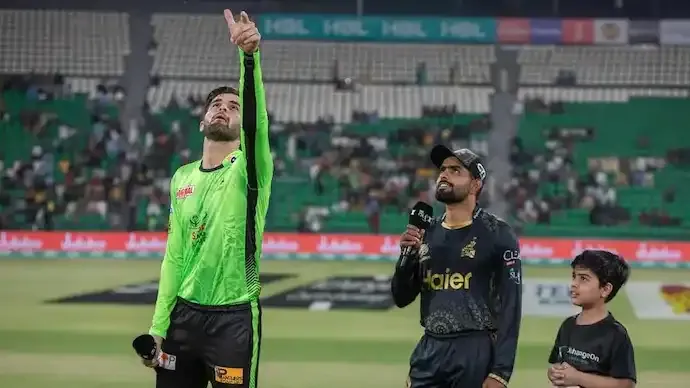
The ongoing PSL oil crisis has forced major changes in the Pakistan Super League, with organisers significantly scaling down operations for the 2026 season.
The Pakistan Cricket Board (PCB) has decided to limit the tournament to just two cities instead of the originally planned six venues. In addition, matches will be played behind closed doors, and the opening ceremony has been cancelled to reduce operational costs.
The decision comes in response to rising costs linked to the global oil crisis, which has impacted logistics, travel, and overall event management expenses.
By reducing venues and eliminating large-scale events, the PCB aims to manage financial pressure while ensuring that the tournament continues.
However, these measures have significantly altered the fan experience, as stadium attendance and celebratory events are key elements of the league’s popularity.
The PSL oil crisis has triggered a wave of reactions on social media, with many cricket fans mocking the situation.
A section of fans has humorously dubbed the tournament the “Petrol Shortage League,” reflecting frustration and disappointment over the scaled-down format.
Critics argue that:
The trolling highlights how strongly fans associate cricket leagues with entertainment and large-scale engagement.
The situation has been further complicated by player availability issues.
Several players have reportedly exited the league and joined other tournaments as replacements, including opportunities in the Indian Premier League. This has impacted team compositions and added to the challenges faced by organisers.
The combination of logistical constraints and player movement has created an unusual scenario for the tournament this year.
The PSL oil crisis could have broader implications for the league’s brand value and global viewership.
Cricket leagues thrive on fan engagement, stadium atmosphere, and large-scale events. With matches being held without spectators and limited venues, the overall appeal may take a hit.
However, digital viewership could still remain strong as fans turn to online platforms to follow the matches.
While the PCB has taken these steps to ensure the tournament proceeds, the long-term impact of these decisions remains uncertain.
The success of PSL 2026 will depend on:
The PSL oil crisis has highlighted how external economic factors can directly impact sporting events, forcing organisers to adapt quickly in challenging situations.
32
Published: Mar 23, 2026