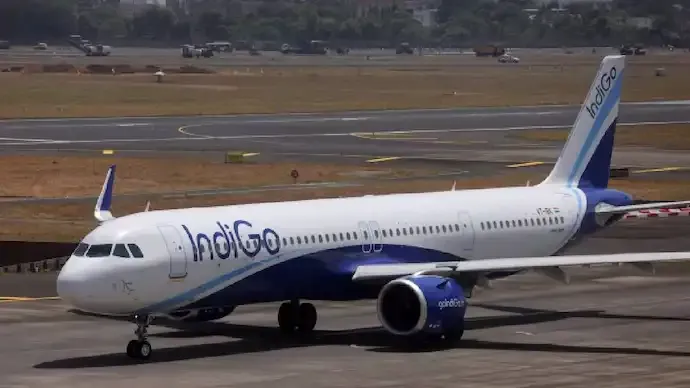
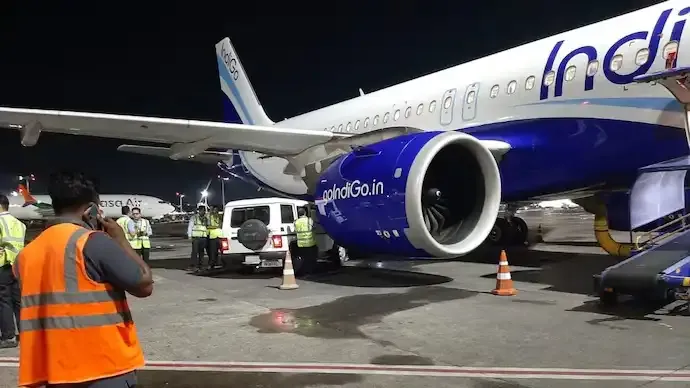
A Delhi-bound IndiGo flight from Georgia narrowly avoided disruption after exiting Iranian airspace just before Tehran abruptly shut its skies to most commercial aircraft. The incident unfolded amid rising political tensions and widespread unrest in Iran, prompting aviation authorities to issue an immediate airspace closure that sent shockwaves across global air travel networks.
The flight, operating from Tbilisi to Delhi, was in the air when Iran issued a Notice to Airmen halting civilian aviation activity across large sections of its airspace. According to flight tracking data, the aircraft passed over Iran during the early hours before the restrictions came into effect, making it the last known non-Iranian commercial flight to transit the region ahead of the shutdown.
Iran’s decision to close and later extend its airspace came against the backdrop of intensifying internal protests and a severe security response by authorities. The unrest, which began in late December, has resulted in thousands of reported casualties, leading to heightened alert levels across the country. Aviation experts note that Iran’s geographic position makes its airspace a critical corridor for flights operating between Asia, Europe, and the Middle East, amplifying the impact of such closures.
Following the sudden move, several Indian airlines issued advisories warning passengers of possible international flight disruptions. IndiGo confirmed that some overseas routes were affected and stated that teams were actively assessing operational challenges. The airline said affected passengers would be offered rebooking options or refunds, depending on route feasibility and regulatory approvals.
Air India also acknowledged the situation, noting that flights passing through the region were being rerouted to ensure passenger safety. Such diversions, the airline cautioned, could lead to longer flight durations and delays. In cases where rerouting was not viable, select services were cancelled as a precautionary measure. SpiceJet similarly advised passengers to verify flight status before heading to airports, citing evolving conditions.
The Iranian airspace closure had an immediate ripple effect on global aviation, with flight tracking platforms showing rapidly emptying skies over Iran and neighbouring regions. Airlines worldwide were forced to adjust flight paths, divert routes northward or southward, and revise schedules at short notice. Industry observers highlighted that even temporary closures in this corridor significantly increase fuel consumption, flight times, and operational costs.
While Iranian authorities have not publicly detailed the reasons behind the latest extension of the closure, the move has triggered speculation amid broader geopolitical developments in the region. Iran has previously shut its airspace during periods of regional conflict, underscoring how security concerns can swiftly disrupt international travel.
As airlines continue to monitor the situation closely, passengers travelling on international routes passing near Iranian airspace are being advised to remain alert to updates, check flight statuses regularly, and prepare for possible delays or changes in travel plans.