


Key Highlights
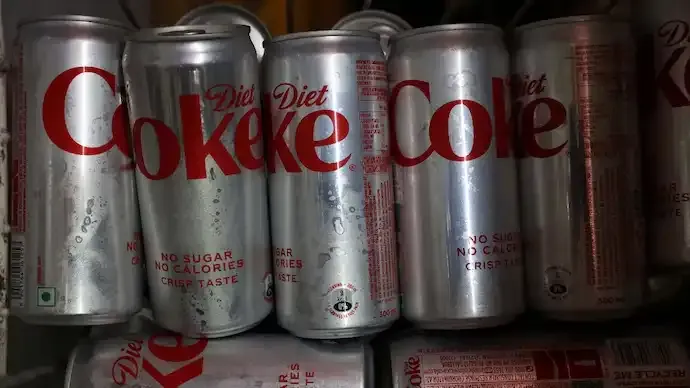
- Diet Coke prices in India have increased by more than 10% due to supply chain disruptions.
- The shortage of aluminium cans is linked to shipping disruptions caused by the ongoing Middle East conflict.
- Coca-Cola has begun importing larger aluminium cans from Southeast Asia, increasing packaging costs.
- The popular 300 ml can has largely been replaced by a 330 ml can priced at ₹50.
- Other Coca-Cola products remain less affected because they are available in plastic and glass packaging.
Why Is Diet Coke More Expensive in India?
If you've recently noticed that Diet Coke costs more in India, you're not imagining it. The price increase is being driven not by higher demand, but by disruptions in the global supply chain caused by the ongoing conflict in the Middle East.
The conflict has affected the movement of aluminium cans and related materials, forcing Coca-Cola to alter its packaging strategy for the Indian market. As a result, consumers are now seeing larger cans at higher prices.
Middle East Conflict Disrupts Aluminium Can Supplies
The primary reason behind the price hike is a disruption in the supply of aluminium cans used to package Diet Coke.

According to reports, shipping through the Strait of Hormuz—one of the world's most important maritime trade routes—has been affected due to heightened tensions in the Middle East.
The Strait is a critical corridor for transporting aluminium and other industrial materials to countries including India. When shipping slows or becomes more expensive, manufacturers often face higher packaging and logistics costs.
Coca-Cola Turns to Southeast Asia for Packaging
With its regular supply chain under pressure, Coca-Cola has reportedly started sourcing larger aluminium cans from Southeast Asia.
Importing packaging from alternative suppliers has increased production and transportation costs, prompting changes in the product offered to Indian consumers.
While Coca-Cola has not officially announced the packaging shift, the changes have already appeared in retail outlets.
Bigger Can, Higher Price
Traditionally, Diet Coke's most popular packaging in India has been a 300 ml aluminium can priced at ₹40.
Due to the ongoing shortage, many retailers are now stocking a 330 ml can priced at ₹50.
Although consumers receive an additional 30 ml of beverage, the price per millilitre has increased, resulting in an effective price rise of approximately 13.6%.
Some Coca-Cola bottlers have also reportedly introduced 200 ml glass bottles of Diet Coke on a limited basis, though these are priced higher than the earlier canned version in some markets.
Why Is Diet Coke More Affected Than Coke Zero?
Diet Coke has been impacted more than other Coca-Cola beverages because it is sold primarily in aluminium cans in India.
In contrast, Coke Zero is available in multiple packaging formats, including:
- Plastic bottles
- Aluminium cans
This flexibility allows Coca-Cola to continue supplying Coke Zero even when aluminium can availability becomes constrained.
Similarly, most regular Coca-Cola and Pepsi products are sold in plastic bottles, glass bottles and cans, reducing their dependence on a single packaging material.
Impact on Consumers and the Beverage Industry
The Diet Coke price increase highlights how international geopolitical events can directly affect everyday consumer products.
Disruptions to global shipping routes often increase transportation, packaging and manufacturing costs, which companies may pass on to consumers.
If supply chain challenges persist, industry analysts say other imported packaging-dependent products could also experience pricing pressure.
Will Prices Return to Normal?
There has been no official announcement from Coca-Cola regarding when normal aluminium can supplies might resume or whether the current pricing is temporary.
Future prices are likely to depend on:
- Stability in Middle East shipping routes.
- Availability of aluminium cans.
- Global freight costs.
- Packaging supply conditions.
Until supply chains normalize, consumers may continue to see larger cans and higher retail prices for Diet Coke in India.
Frequently Asked Questions (FAQs)
Why has Diet Coke become more expensive in India?
Diet Coke prices have increased due to disruptions in aluminium can supplies caused by shipping challenges linked to the ongoing Middle East conflict.
How much has the price increased?
The popular 300 ml can previously sold for ₹40 has largely been replaced by a 330 ml can priced at ₹50, representing an effective price increase of around 13.6% on a per-millilitre basis.
Why are aluminium cans in short supply?
Shipping disruptions affecting trade routes such as the Strait of Hormuz have impacted the movement of aluminium cans and related raw materials.
Why is only Diet Coke affected?
Diet Coke relies mainly on aluminium cans in India, whereas products like Coke Zero and regular Coca-Cola are also available in plastic and glass bottles.
Has Coca-Cola officially announced the price hike?
No. The company has not publicly announced the pricing or packaging changes, although they have been reported and observed in the market.
Could other beverages become more expensive?
If supply chain disruptions continue, other products that depend heavily on imported packaging materials could also face higher costs, although there has been no announcement of similar price changes.







Conversation
Be kind and stay on topic. Comments are moderated; abuse, spam and personal attacks are removed. Report a problem