

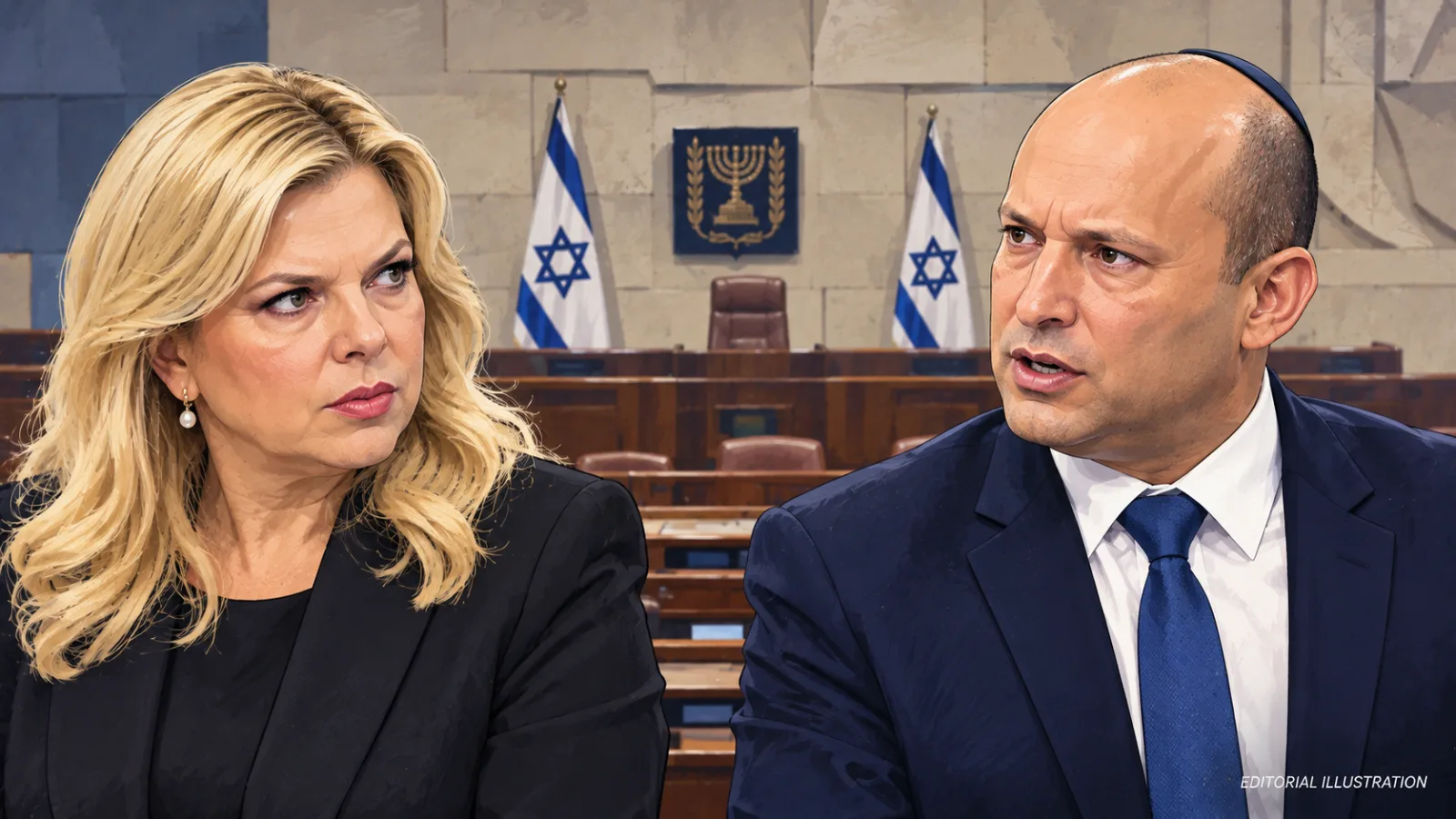

JERUSALEM, November 11, 2026: A heated exchange between Sara Netanyahu and former Israeli Prime Minister Naftali Bennett disrupted proceedings in the Knesset on Tuesday, as political tensions intensified during the opening session of Israel's newly elected parliament.
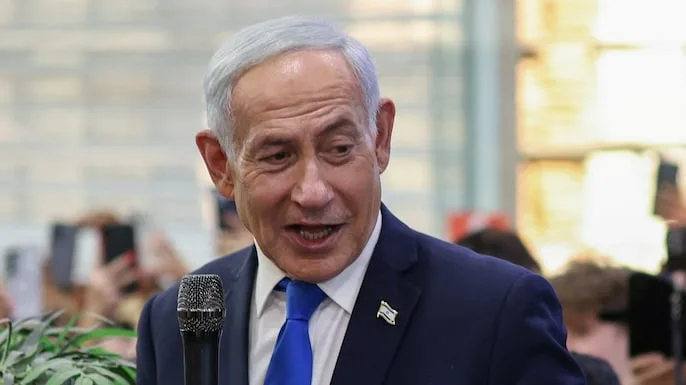
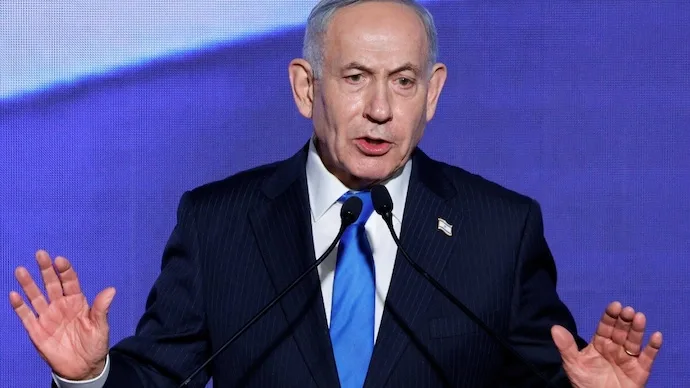
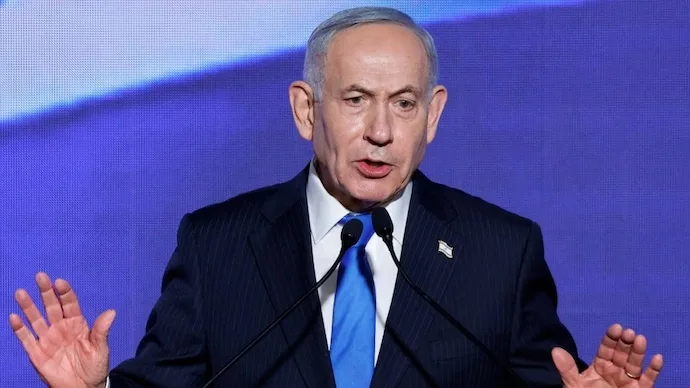
The confrontation took place while caretaker Prime Minister Benjamin Netanyahu was addressing lawmakers, urging political parties to form a national unity government. Bennett interrupted the speech with questions about alleged links between Netanyahu's advisers and Qatar, prompting angry responses from lawmakers and Netanyahu's wife.
Footage circulating on social media showed Sara Netanyahu arguing with Bennett as the disagreement unfolded.

The incident highlighted the deep political divisions facing Israel following the October 27 election, which left no party or alliance with a clear parliamentary majority.
What Happened Between Sara Netanyahu and Naftali Bennett?
The confrontation began when Bennett, who leads the B'Yachad party, challenged Benjamin Netanyahu during his address to the newly sworn-in Knesset.
Netanyahu had been speaking about national security, political unity and the possible involvement of foreign interests in Israel's recent election.
Bennett interrupted him and demanded answers about two issues: the investigation into the October 7, 2023 Hamas-led attack and allegations concerning Netanyahu's advisers' connections to Qatar.
He also questioned why the Israeli government had not formally designated Qatar as an enemy state.
The interruption triggered an exchange involving several politicians.
Sara Netanyahu, who was attending the parliamentary session, was seen confronting Bennett during the disruption.
The Times of Israel reported that the two argued as other lawmakers continued shouting across the chamber.
The confrontation briefly interrupted Netanyahu's address before he resumed speaking.
Although footage confirms the argument, the precise words spoken by Sara Netanyahu during the exchange have not been fully established in the reports reviewed.
Why Did Bennett Question Netanyahu About His Qatari Advisers?
Bennett's questions referred to a political controversy involving allegations that individuals associated with Benjamin Netanyahu's office had maintained financial or professional connections with Qatari interests.
The allegations have been widely discussed in Israel under the name Qatargate.
The controversy concerns claims that certain advisers promoted Qatar's interests while working in or around the Israeli Prime Minister's Office.
The matter has raised questions about possible conflicts of interest and foreign influence in sensitive government circles.
Bennett used the parliamentary session to demand accountability, particularly after Netanyahu called for an investigation into allegations of foreign interference in the October election.
The former prime minister also renewed his demand for an official state commission of inquiry into the failures surrounding the October 7 attack.
His criticism suggested that the government should address questions about its own conduct before accusing political opponents of benefiting from outside influence.
The allegations involving Netanyahu's advisers remain allegations. They should not be treated as proof that the prime minister or his associates unlawfully worked for Qatar.
Itamar Ben-Gvir and Likud Lawmakers Join the Argument
The confrontation quickly spread beyond Bennett and Sara Netanyahu.
National Security Minister Itamar Ben-Gvir responded angrily to Bennett's intervention, criticising his willingness to cooperate with Arab political parties.
Likud faction chairman Ofir Katz also challenged Bennett, referring to Arab lawmakers Ahmad Tibi and Mansour Abbas.
The exchanges took place as Netanyahu's supporters and opponents clashed over the possibility of forming a new coalition.
According to Israeli media reports, Democratic Party lawmaker Gilad Kariv also questioned Netanyahu about alleged financial ties to Qatar.
Meanwhile, Yair Golan, leader of the Democrats party, and other members of his faction walked out of the chamber in protest.
The interruptions reflected how quickly the debate over the next government had become intertwined with questions about national security, political legitimacy and the conduct of the outgoing administration.
Netanyahu Attacks Arab Parties During Knesset Speech
During his address, Benjamin Netanyahu strongly criticised the possibility of a new government depending on support from Arab-led political parties.
He argued that such an arrangement could put Israel's national security at risk.
His comments were directed partly at the Joint List and Ra'am, whose parliamentary support could become important in determining whether a new coalition can be formed.
Netanyahu characterised these political parties as unacceptable partners for a government responsible for major security decisions.
He also raised allegations that Qatar had attempted to influence Arab voter turnout during the October election.
Those allegations have not been established as proven election interference.
Election officials have not identified evidence showing that fraud changed the outcome of the vote, according to Reuters.
Netanyahu's remarks drew sharp criticism from opposition figures and Arab lawmakers, who accused him of deepening divisions at a time when Israel was struggling to form a government.
Why Is Benjamin Netanyahu Still Israel's Caretaker Prime Minister?
Israel held a parliamentary election on October 27, 2026, but the result did not give any single political bloc enough seats to form a government independently.
Netanyahu's Likud-led alliance secured 53 seats in the 120-member Knesset.
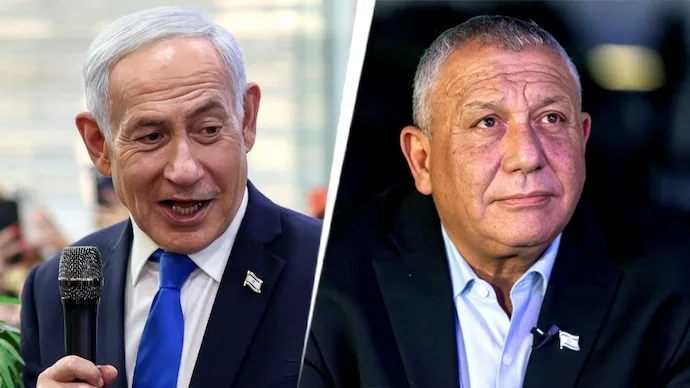
Gadi Eisenkot's Yashar party and its allied parties hold 48 seats, while Arab-led parties account for another 19.
President Isaac Herzog subsequently consulted political factions to determine which leader had the strongest chance of assembling a governing coalition.
During those consultations:
- 67 lawmakers recommended Gadi Eisenkot to form the next government.
- 46 lawmakers recommended Benjamin Netanyahu.
- Seven lawmakers declined to recommend either candidate.
On November 8, Herzog formally assigned Eisenkot the task of forming a new government.
However, the recommendations do not automatically guarantee that those lawmakers will support a single coalition.
Until a new government is successfully formed, Netanyahu remains Israel's caretaker prime minister.
Gadi Eisenkot Faces Difficult Coalition Negotiations
Former military chief Gadi Eisenkot faces the challenge of bringing together political groups with different priorities and longstanding disagreements.
His Yashar party is attempting to establish a new governing arrangement after Netanyahu's bloc failed to secure a majority.
Eisenkot has received support from lawmakers who want a change in leadership, but some potential partners remain divided over the involvement of Arab parties.
Other possibilities include negotiating with ultra-Orthodox factions or pursuing a broader unity arrangement involving political rivals.
Each option presents difficulties.
Eisenkot has also proposed legislation intended to reverse certain policies pursued by Netanyahu's government.
These proposals include:
- Establishing a state commission of inquiry into the October 7, 2023 attack.
- Introducing limits on how long a prime minister can remain in office.
- Reversing changes that reduced certain powers of the judiciary.
- Pursuing changes in parliamentary leadership.
The opposition has also explored replacing Knesset Speaker Amir Ohana with Matan Kahana, an ally of Eisenkot.
Together, these developments signal a potentially significant change in Israel's political direction, even before the formation of a new government.
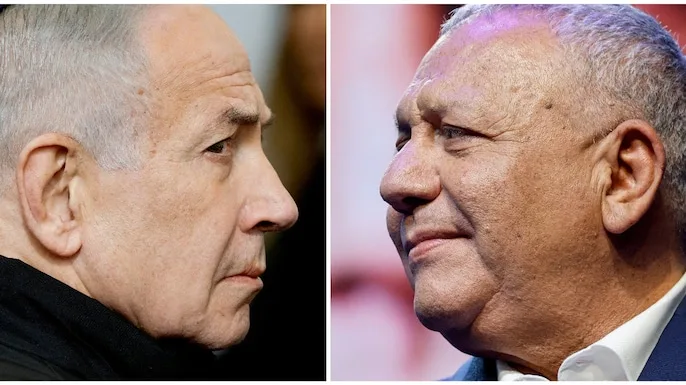
Eisenkot Condemns Netanyahu's Speech
Eisenkot strongly criticised Netanyahu's remarks following the parliamentary session.
He described the address as divisive and accused the caretaker prime minister of promoting hostility towards political opponents.
The Yashar leader also questioned Netanyahu's fitness to continue in office.
His criticism came as the opposition considered legislative proposals that could challenge several major decisions made under Netanyahu's leadership.
According to Israeli media reports, Eisenkot cancelled a meeting with Likud representatives that had been scheduled for Wednesday.
The cancellation reflected the worsening relationship between the rival political camps.
However, coalition discussions remain necessary if Eisenkot is to assemble the parliamentary support required to form a government.
Netanyahu Calls for Unity Amid Security Concerns
Despite his criticism of opposition parties, Netanyahu used the speech to call for a national unity government.
He warned that Israel faces serious security challenges, including developments involving Iran and the possibility of renewed international pressure.
The caretaker prime minister argued that a government bringing together major political forces would be better equipped to respond to those challenges.
His proposal, however, faced immediate resistance from opposition figures who have repeatedly criticised his leadership.
The contrast between his call for unity and the confrontations inside the chamber became one of the defining features of the parliamentary session.
Bennett's questions about Qatar and the October 7 investigation also demonstrated that opponents remain focused on accountability issues rather than solely on the composition of the next government.
What Happens Next in Israel's Government Formation?
Eisenkot received the mandate to form a government on November 8.
Under Israeli law, he initially has 28 days to secure the parliamentary backing necessary to establish a new administration.
President Herzog may grant an extension of up to 14 additional days if required.
This means the initial deadline falls on December 6, with a possible extension until December 20.
If Eisenkot fails, Herzog could give another lawmaker, potentially Netanyahu, an opportunity to form a government.
Further failure could increase the possibility of another election.
For now, the dispute involving Sara Netanyahu and Naftali Bennett has highlighted the tense atmosphere in which these negotiations are taking place.
The heated exchange was not simply a personal disagreement. It reflected wider disputes over accountability, alleged foreign influence, relations with Arab political parties and the future leadership of Israel.
With coalition talks underway and rival parties preparing legislative proposals, Israel's new parliament faces a politically consequential period.
Editorial disclosure: This report is based on proceedings reported by The Times of Israel, Ynet, Reuters, Associated Press and official statements from the Israeli presidency. All India Story has not independently investigated the allegations concerning Netanyahu's advisers or alleged foreign electoral influence.


Conversation
Be kind and stay on topic. Comments are moderated; abuse, spam and personal attacks are removed. Report a problem