
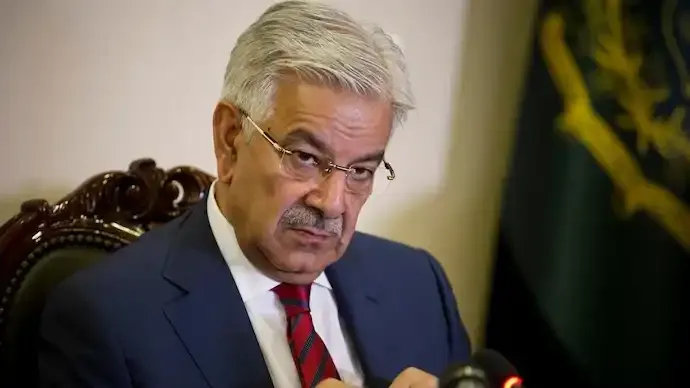
Tensions between Pakistan and Afghanistan have escalated sharply as fragile peace talks continue in Istanbul. Pakistan’s Defence Minister Khawaja Asif issued a stern warning to Kabul, stating in televised remarks, “If no agreement takes place, we have an open war with them.” His comments come amid the second round of negotiations aimed at establishing a lasting ceasefire following recent deadly border clashes.
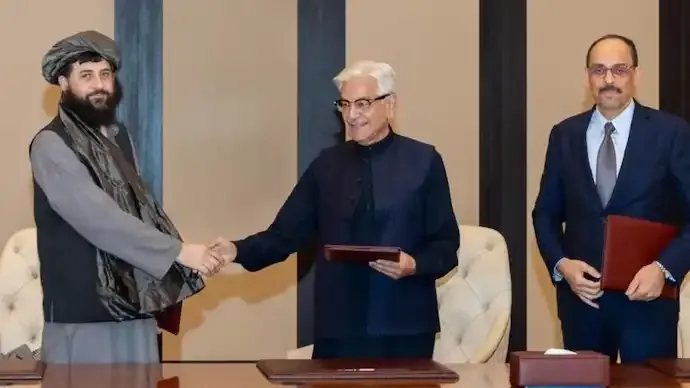
The Istanbul talks are being mediated by Qatar and Turkey, building on an earlier round in Doha that resulted in an initial truce. Islamabad’s aggressive rhetoric highlights the fragility of the current peace process, as both sides attempt to navigate longstanding security, territorial, and political disputes along their shared border. Observers note that Pakistan’s warning contradicts its previous willingness to engage in mediation, suggesting the country may be facing challenges or losses in ongoing border tensions.
The negotiations are critical for regional stability, as border incidents have resulted in casualties on both sides. While both Pakistan and Afghanistan publicly express commitment to dialogue, statements like Asif’s raise concerns about the potential for renewed hostilities if talks fail to produce a concrete agreement.
Analysts highlight that the Istanbul peace talks are part of broader efforts by regional powers to prevent escalation. Qatar and Turkey, serving as neutral mediators, are seeking to consolidate trust and ensure that both countries adhere to the truce. The second round of negotiations includes discussions on border security protocols, joint monitoring mechanisms, and measures to prevent future clashes.
Despite the threats, diplomats remain cautiously optimistic that dialogue can continue. The situation underscores the delicate balance in South Asia, where historical tensions, political rivalries, and cross-border militancy complicate efforts to achieve lasting peace. Any failure in negotiations could have serious implications not only for Pakistan and Afghanistan but also for neighboring countries concerned about regional stability.
The coming days are expected to be decisive, as both nations weigh the benefits of a sustained ceasefire against the risks of renewed confrontation. The international community continues to monitor developments closely, urging restraint and continued engagement to avoid an escalation into open conflict.




Conversation
Be kind and stay on topic. Comments are moderated; abuse, spam and personal attacks are removed. Report a problem