The United States’ military action in Venezuela and the capture of President Nicolás Maduro have triggered a global debate extending far beyond security and narcoterrorism allegations. Analysts and economists are increasingly examining whether Venezuela’s enormous oil reserves and its gradual shift away from the US dollar-based oil trade played a deeper role in the escalation.
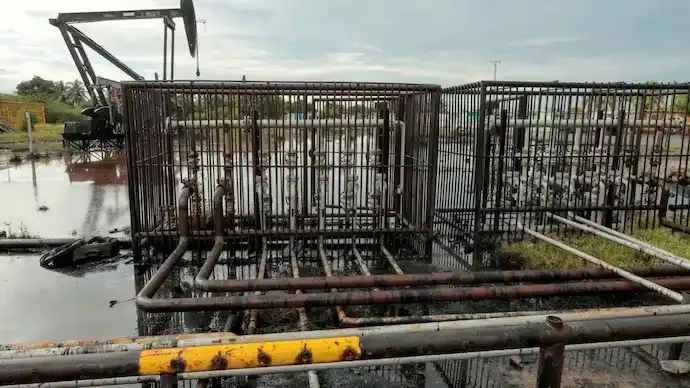
Washington has framed the intervention as a response to security threats and organised crime. However, Venezuela’s economic position makes it uniquely sensitive in global energy and currency politics. The country holds the world’s largest proven oil reserves, estimated at over 300 billion barrels—more than five times that of the United States. This alone places Venezuela at the centre of global energy calculations.
In recent years, Venezuela has also attempted to sell oil using currencies other than the US dollar, including the Chinese yuan and digital payment mechanisms. These steps, taken amid years of sanctions, allowed Caracas to bypass traditional dollar-dominated banking systems and continue exporting crude despite financial restrictions.
What the Petrodollar System Means
The petrodollar system refers to the global practice of pricing oil in US dollars. Since the 1970s, most oil-producing nations have sold crude exclusively in dollars, regardless of the buyer. This forces oil-importing countries to maintain dollar reserves, ensuring constant global demand for the US currency.
Oil-exporting nations, in turn, recycle these dollars into US financial markets, government bonds and assets. This cycle has long helped the dollar retain its position as the world’s dominant reserve currency while enabling Washington to borrow at lower costs and finance large deficits.
Because oil underpins transportation, manufacturing and energy security worldwide, dollar-based oil trade has given the US unmatched financial leverage. It has also strengthened the effectiveness of sanctions, asset freezes and financial pressure.
Venezuela’s Challenge to Dollar Dominance
Facing heavy sanctions, Venezuela began experimenting with alternative payment structures. It accepted yuan, euros and digital currencies for oil shipments, particularly in trade with China, which remains its largest crude buyer. Long-term Chinese investments in Venezuelan oil fields supported this transition.
Despite sanctions, Venezuela continued producing close to 900,000 barrels per day, demonstrating that a major oil exporter could operate partially outside the dollar system. This raised concerns in Washington that similar models could be adopted by other energy-producing nations.
Why the Petrodollar Matters to Washington
The petrodollar system supports US financial dominance by sustaining global dollar demand and reinforcing American influence over international banking. If oil trade increasingly shifts to alternative currencies, US sanctions lose potency and borrowing costs could rise.
This is why challenges to dollar-based oil trade are often viewed not merely as economic choices but as strategic threats. In recent years, reports emerged that Saudi Arabia had begun exploring limited oil sales in non-dollar currencies and deepening energy ties with China. While oil remains largely priced in dollars, these moves signalled growing interest in diversification.
Oil, Intervention and Historical Parallels
Venezuela is not the first oil-rich country where US intervention has been followed by scrutiny over energy and currency interests. Iraq’s 2003 invasion, Libya’s 2011 NATO intervention and decades of sanctions on Cuba are often cited as examples where security narratives intersected with broader strategic goals.
While the petrodollar system is not collapsing, more countries are testing alternatives through bilateral currency deals, digital payments and regional trade frameworks. The Venezuela episode highlights how oil, money and military power remain tightly linked in global geopolitics.
As debates continue, the situation underscores a broader reality: energy resources and currency dominance remain central to international power dynamics, and even gradual shifts can provoke far-reaching geopolitical responses.