

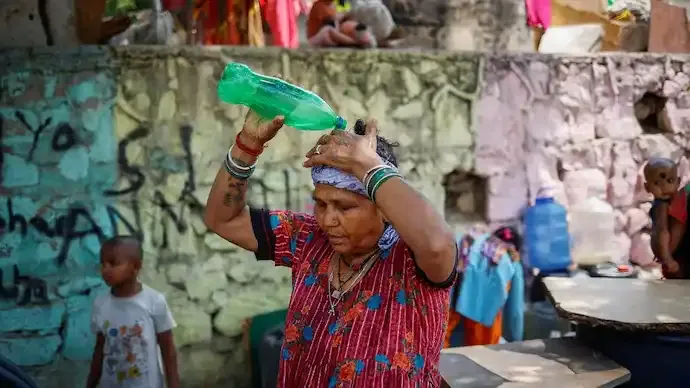

India is witnessing an early onset of summer in 2026, with unusually high temperatures recorded as early as February.
The changing weather patterns have raised concerns about the growing impact of climate change and the country’s preparedness to deal with extreme heat conditions.
Rising Temperatures Impact Daily Life
Heatwaves are increasingly affecting multiple aspects of life, including public health, agriculture, and economic activity.

Cities and rural areas alike are facing challenges such as water shortages, crop stress, and increased health risks due to prolonged exposure to extreme heat.
Government and Stakeholders Take Action
In response to the worsening situation, policymakers, scientists, and organisations have come together to develop strategies aimed at tackling the heat crisis.
A new collaborative body has been launched to drive innovation and coordination in managing heat-related challenges across regions.
Focus on Climate Adaptation Measures
India’s approach includes a range of adaptation strategies such as:
- Heat action plans for cities
- Improved early warning systems
- Public awareness campaigns
- Infrastructure designed to withstand high temperatures
These measures aim to reduce the impact of heatwaves on vulnerable populations.
Need for Regional Cooperation
As heatwaves affect the entire South Asian region, experts emphasise the importance of cross-border collaboration.
Sharing data, resources, and strategies can help countries better manage the effects of extreme temperatures.
Challenges in Preparedness
Despite ongoing efforts, gaps remain in infrastructure, policy implementation, and awareness.
Rapid urbanisation and population density add to the complexity of managing heat-related risks effectively.
Climate Change Driving Extreme Weather
The increasing frequency and intensity of heatwaves are closely linked to global climate change.
Scientists warn that such conditions may become more common, making long-term planning essential.
Impact on Economy and Workforce
Extreme heat can disrupt productivity, particularly in sectors like agriculture and construction.
Managing these impacts will be crucial for sustaining economic growth.
Outlook: Urgent Action Needed
India’s efforts to tackle the heat crisis mark an important step, but sustained action will be required to address the long-term effects of climate change.
The coming years will be critical in shaping the country’s resilience to extreme weather events.








Conversation
Be kind and stay on topic. Comments are moderated; abuse, spam and personal attacks are removed. Report a problem