Shopping cart
Your cart empty!


Your cart empty!
Terms of use dolor sit amet consectetur, adipisicing elit. Recusandae provident ullam aperiam quo ad non corrupti sit vel quam repellat ipsa quod sed, repellendus adipisci, ducimus ea modi odio assumenda.
Lorem ipsum dolor sit amet consectetur adipisicing elit. Sequi, cum esse possimus officiis amet ea voluptatibus libero! Dolorum assumenda esse, deserunt ipsum ad iusto! Praesentium error nobis tenetur at, quis nostrum facere excepturi architecto totam.
Lorem ipsum dolor sit amet consectetur adipisicing elit. Inventore, soluta alias eaque modi ipsum sint iusto fugiat vero velit rerum.
Sequi, cum esse possimus officiis amet ea voluptatibus libero! Dolorum assumenda esse, deserunt ipsum ad iusto! Praesentium error nobis tenetur at, quis nostrum facere excepturi architecto totam.
Lorem ipsum dolor sit amet consectetur adipisicing elit. Inventore, soluta alias eaque modi ipsum sint iusto fugiat vero velit rerum.
Dolor sit amet consectetur adipisicing elit. Sequi, cum esse possimus officiis amet ea voluptatibus libero! Dolorum assumenda esse, deserunt ipsum ad iusto! Praesentium error nobis tenetur at, quis nostrum facere excepturi architecto totam.
Lorem ipsum dolor sit amet consectetur adipisicing elit. Inventore, soluta alias eaque modi ipsum sint iusto fugiat vero velit rerum.
Sit amet consectetur adipisicing elit. Sequi, cum esse possimus officiis amet ea voluptatibus libero! Dolorum assumenda esse, deserunt ipsum ad iusto! Praesentium error nobis tenetur at, quis nostrum facere excepturi architecto totam.
Lorem ipsum dolor sit amet consectetur adipisicing elit. Inventore, soluta alias eaque modi ipsum sint iusto fugiat vero velit rerum.
Do you agree to our terms? Sign up
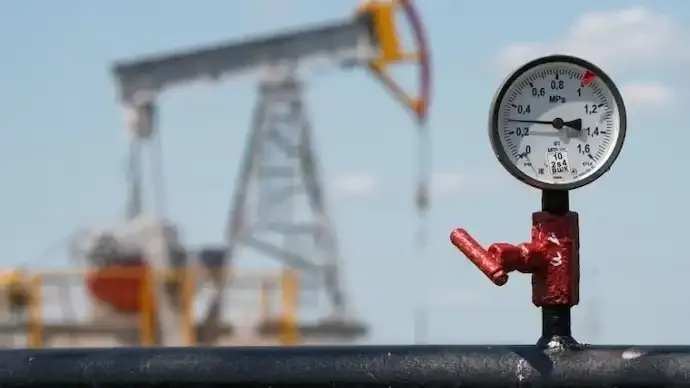
Global crude oil prices have recently declined after a sharp surge triggered by geopolitical tensions. However, experts believe that the apparent relief may be temporary, as deeper disruptions in supply chains continue to affect the global economy.
The price correction follows a brief easing of tensions between the United States and Iran, but the underlying impact of the crisis is still unfolding.
One of the biggest concerns remains the disruption in oil transportation routes. During the peak of tensions, tanker movement through the Strait of Hormuz slowed significantly.
Several vessels either halted or changed routes due to rising security risks. This created bottlenecks, delays, and backlogs that continue to impact global oil supply chains even after prices have eased.
Such disruptions have long-term consequences, affecting not just availability but also transportation costs and delivery timelines.
The effects of the recent oil price spike are already being felt across economies. Higher fuel costs tend to increase transportation and production expenses, which in turn contribute to inflation.
Even though crude prices have dipped, the earlier surge has already pushed up costs for businesses and consumers. This could slow down economic growth in multiple regions as markets adjust to the shock.
Experts warn that the full impact may become more visible in the coming months as supply chains stabilise and pricing effects filter through.
India, which imports over 85–90% of its crude oil requirements, remains particularly sensitive to global price fluctuations. Despite this, the country has managed to stay relatively stable so far.
This resilience is largely due to diversified sourcing strategies and policy measures designed to cushion sudden shocks. Strategic reserves and government interventions have also helped in managing supply disruptions.
However, analysts caution that this insulation may not hold if geopolitical tensions continue or worsen.
Even with prices cooling, risks remain high in the global energy market. Continued uncertainty in West Asia, supply chain disruptions, and shipping challenges could trigger fresh volatility.
Markets are still in the process of adjusting to the recent shock, and any further escalation could once again push prices upward.
The recent developments highlight the importance of energy security and the need for countries to reduce dependence on volatile global supply chains.
For India and other major importers, the focus may increasingly shift towards diversification, renewable energy, and strengthening domestic reserves.
While the immediate panic has subsided, the broader impact of the oil crisis is far from over, and its effects are likely to shape economic trends in the near future.
40
Published: 5h ago

All India Story is your trusted source for comprehensive and up-to-the-minute news coverage across India. Bringing you the latest on politics, business, technology, entertainment, sports, and more, we are dedicated to keeping you informed with accurate, engaging, and insightful stories from every corner of the nation.