

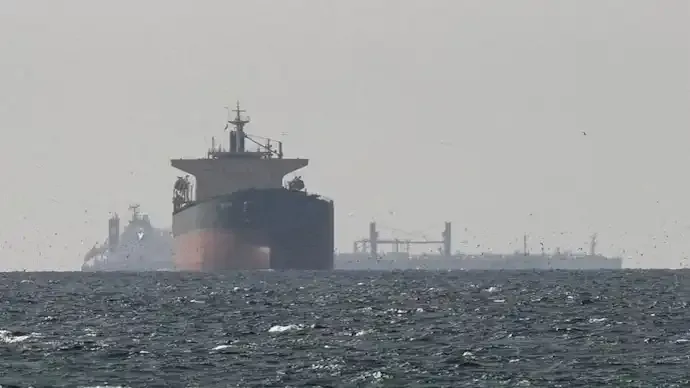

Iran has announced a major restriction on shipping through the Strait of Hormuz, capping vessel movement at just 15 ships per day.
The move comes as part of a ceasefire agreement with the United States following months of heightened tensions and disruptions in the region.
Significant Drop in Global Oil Flow
The new limit represents a sharp reduction in maritime traffic through the Strait of Hormuz, which handles nearly 20% of the world’s oil trade.

Analysts estimate that this could lead to a dramatic decline in oil shipments, potentially impacting global energy markets and supply chains.
Impact on Global Economy and Trade
The restriction is expected to create ripple effects across global markets, including rising oil prices and increased transportation costs.
Countries heavily dependent on oil imports, such as India, may face economic pressure if disruptions continue.
Ceasefire Comes with Strategic Conditions
The shipping cap appears to be one of the conditions attached to the ceasefire deal between Iran and the United States.
While the agreement aims to reduce military tensions, it introduces new challenges for global trade and energy security.
Concerns Over Supply Chain Disruptions
With fewer vessels allowed to pass, delays and bottlenecks are likely to occur.
Shipping companies and energy firms may need to adjust routes or seek alternative supply channels to maintain operations.
Geopolitical Implications Intensify
The decision highlights Iran’s strategic leverage over one of the world’s most critical maritime routes.
It also underscores the ongoing geopolitical tensions in the region and the role of the Strait of Hormuz in global power dynamics.
Global Reactions and Monitoring
Governments and international organisations are closely monitoring the situation, given its potential to disrupt global markets.
The development has added to concerns about long-term stability in the Gulf region.
Outlook: Uncertain Energy Landscape
While the ceasefire offers a temporary pause in conflict, the shipping restriction introduces new uncertainties.
The coming weeks will be crucial in determining how global markets adapt to the reduced flow of oil through the Strait.







Conversation
Be kind and stay on topic. Comments are moderated; abuse, spam and personal attacks are removed. Report a problem