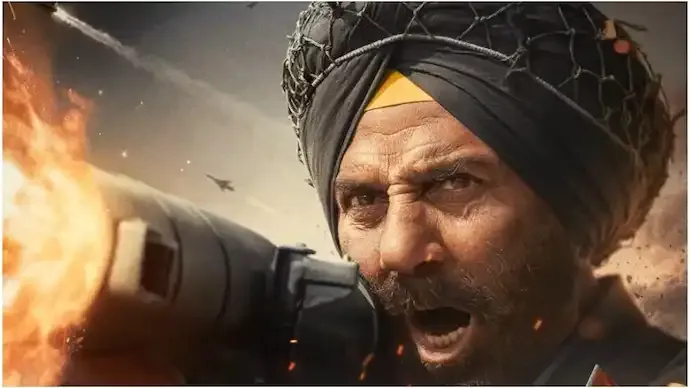
Sunny Deol vs Sunny Deol in Border Films: How Patriotism Gave Way to Human Vulnerability

Sunny Deol vs Sunny Deol in Border Films: How Patriotism Gave Way to Human Vulnerability

Few actors have embodied cinematic patriotism as powerfully as Sunny Deol, and nowhere is that legacy more pronounced than in the Border franchise. Spanning nearly three decades, the series offers a rare opportunity to compare two soldiers played by the same actor, shaped by the same war, yet driven by markedly different emotional landscapes.

In Border, directed by J. P. Dutta, Sunny Deol portrayed Major Kuldeep Singh Chandpuri, inspired by the real-life hero of the Battle of Longewala during the 1971 Indo-Pak war. Kuldeep is written as an embodiment of absolute military resolve — a commanding officer who leads an outnumbered battalion with icy composure and unwavering belief in duty. His personal life exists only on the periphery, sacrificed silently at the altar of national service. Emotion, in this narrative, is controlled, rationed like ammunition.

Kuldeep’s defining strength lies in his restraint. He is not weighed down by introspection or personal loss; instead, he functions as the emotional anchor for his men. The character’s humanity surfaces briefly in the iconic song Mere Dushman Mere Bhai, where grief transcends borders, but the moment is fleeting. The film prioritises collective heroism over individual vulnerability, making Kuldeep an almost mythic representation of the soldier as symbol rather than man.

Fast forward to 2026, and Border 2, directed by Anurag Singh, revisits the same war through a very different emotional lens. Sunny Deol’s Lt Col Fateh Singh Kaler is still a formidable officer, but he is also a grieving father, carrying the weight of personal tragedy into battle. Where Kuldeep suppressed emotion, Fateh is shaped by it.

Border 2 allows space for silence, hesitation, and moral conflict. Fateh’s grief is not a background detail but a driving force in the narrative. His moments of mercy, his internal struggle before pulling the trigger, and his quiet remembrance of his lost child add layers that were largely absent in the original film. The soldier here is not just defending territory; he is fighting an internal war alongside the external one.

The contrast between the two roles highlights a broader evolution in war storytelling. Kuldeep represents a cinematic era that glorified stoicism and sacrifice without interrogating their psychological cost. Fateh reflects a more contemporary sensibility — one that acknowledges trauma, emotional fatigue, and the personal price of patriotism.

Despite their differences, the two characters share an unbreakable moral spine. Both are leaders forged by crisis, commanding loyalty through courage rather than fear. Yet, where Kuldeep’s strength lies in emotional denial, Fateh’s power comes from emotional acceptance. This shift makes Fateh more relatable, even as Kuldeep remains iconic.

Through these two portrayals, Sunny Deol’s Border journey mirrors the changing language of patriotism in Hindi cinema — from thunderous declarations of duty to quieter explorations of loss, healing, and humanity. Together, Kuldeep Chandpuri and Fateh Singh Kaler remind audiences that soldiers are not carved from stone; they are shaped by love, loss, and the burdens they carry long after the guns fall silent.

Prev Article
“Sadiyon Mein Ek”: Badshah, B Praak, Amaal Mallik React to Arijit Singh’s Playback Exit
Next Article
Border 3 Confirmed After Border 2 Success, Makers Plan Third Installment of Sunny Deol Franchise

Related to this topic: