
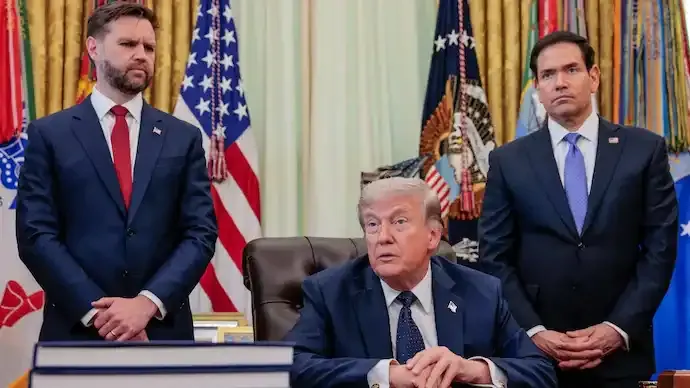
US President Donald Trump has proposed using $12 billion in previously frozen Iranian assets to purchase American agricultural products as part of ongoing negotiations aimed at securing a broader peace agreement in the Gulf region.
The proposal comes as diplomatic discussions continue over sanctions relief and regional security. However, Iran has maintained that any money released from frozen overseas accounts should remain under its control, exposing a major disagreement between the two sides.
Trump Outlines Plan for Frozen Iranian Assets
Speaking about the ongoing negotiations, President Donald Trump said the United States has prepared a framework for how billions of dollars in frozen Iranian funds could be utilised if an agreement is reached.
Under the proposal, the released assets would be used to buy American agricultural products, including:
- Wheat
- Soybeans
- Corn
- Other essential food commodities
These goods would then be supplied to Iran as part of the proposed arrangement.
The plan is intended to combine sanctions relief with humanitarian and economic support while also benefiting American farmers and agricultural exporters.
Iran Maintains It Will Decide How Funds Are Spent
Iran has consistently stated that any assets released under a future agreement belong to the country and that Tehran alone should determine how the money is used.
Officials have indicated that external conditions on spending would not be acceptable, making the issue one of the key sticking points in the ongoing negotiations.
The differing positions underline the complexity of reaching a final agreement despite continued diplomatic engagement.
Why Are Iranian Assets Frozen?
Iranian government funds have remained frozen in overseas financial institutions for years due to sanctions imposed by the United States and other countries.
Access to these assets has become one of the central issues in discussions surrounding sanctions relief and broader diplomatic efforts in the Middle East.
Negotiators are attempting to find a framework that addresses both economic concerns and regional security priorities.
Why Agricultural Purchases Are Part of the Proposal
Agricultural products are often included in international agreements because they support food security while encouraging legitimate trade.
If implemented, the proposal could:
- Increase exports for American farmers
- Improve Iran's access to essential food supplies
- Support agricultural trade between the two countries
- Form part of a wider confidence-building measure during negotiations
Supporters believe the arrangement could provide economic benefits while advancing diplomatic objectives.
Peace Negotiations Continue
Discussions between the United States and Iran remain focused on several unresolved issues, including sanctions, regional security and the release of frozen assets.
Although negotiations have reportedly made progress in some areas, both sides continue to differ on how the released funds should be managed.
No final agreement has been announced, and talks are expected to continue in the coming weeks.
Why the Proposal Matters
The outcome of the negotiations could have significant implications beyond the two countries.
A successful agreement may influence:
- Stability in the Gulf region
- Global energy markets
- International trade
- Agricultural exports
- Future US-Iran diplomatic relations
Governments, investors and international observers are closely monitoring developments as negotiations progress.
Conclusion
US President Donald Trump's proposal to use $12 billion in frozen Iranian assets for purchasing American agricultural products has added a new dimension to ongoing US-Iran negotiations. While Washington sees the proposal as part of a broader peace framework, Tehran insists that it should retain full authority over how its released assets are spent. Until both sides bridge this key difference, a final agreement is likely to remain under negotiation.
FAQs
1. What did President Donald Trump propose?
Trump said that approximately $12 billion in frozen Iranian assets could be used to purchase American agricultural products such as wheat, soybeans and corn.
2. Why does Iran oppose the proposal?
Iran maintains that any released assets belong to the country and that it alone should decide how the funds are spent.
3. Why are Iranian funds frozen?
The assets remain frozen because of sanctions imposed over several years as part of broader international measures against Iran.
4. Which agricultural products are included in the proposal?
The proposal includes products such as wheat, soybeans, corn and other essential agricultural commodities.
5. Has a final US-Iran agreement been reached?
No. Negotiations are still ongoing, and both sides continue to discuss unresolved issues.
6. Why is this issue important globally?
The outcome could affect regional security, international diplomacy, agricultural trade, sanctions policy and global financial and energy markets.


Conversation
Be kind and stay on topic. Comments are moderated; abuse, spam and personal attacks are removed. Report a problem