India has urged the international community to strengthen efforts to protect children and educational institutions during armed conflicts, stressing that education remains a fundamental right even in times of war.
Speaking at an open debate of the United Nations Security Council, India's Permanent Representative to the UN, Ambassador Harish Parvathaneni, said lasting peace cannot be achieved without ensuring that children continue to have access to education, even in conflict-affected regions.
India Calls for Greater Accountability
During the Security Council discussion, India emphasised that protecting children requires more than humanitarian assistance alone.
The country called for stronger accountability against individuals and groups responsible for attacking schools, harming children and violating international humanitarian law.
India stated that safeguarding children without holding perpetrators accountable leaves protection efforts incomplete.
Education Must Remain a Protected Right
Ambassador Harish Parvathaneni highlighted the importance of ensuring uninterrupted access to education during conflicts.
He stated that education is not only a basic human right but also a vital foundation for long-term peace, stability and post-conflict recovery.
According to India's statement, preserving access to schools during crises helps reduce the long-term social and economic impact of armed conflicts on future generations.
Concern Over Rising Violations Against Children
The debate comes amid continuing concerns over the impact of armed conflicts on children worldwide.
According to figures presented during the discussion, the United Nations has verified 38,558 grave violations affecting 24,174 children in 2025.
These violations include:
- Attacks on schools
- Recruitment of child soldiers
- Killing and maiming of children
- Abductions
- Sexual violence
- Denial of humanitarian access
The figures highlight the growing humanitarian challenges faced by children in conflict zones across the world.
Why Protecting Schools Matters
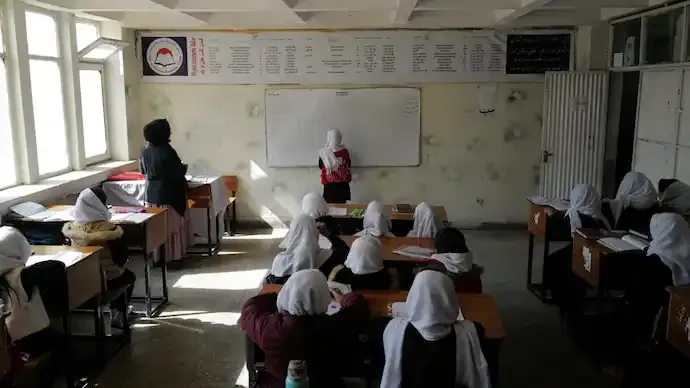
Schools often provide much more than education during emergencies.
They serve as:
- Safe spaces for children
- Centres for nutrition and health support
- Community shelters
- Places for emotional and psychological recovery
Disruptions to education can have long-lasting consequences for children's development, future employment opportunities and overall social stability.
India's Position on Child Protection
India reiterated its commitment to supporting international efforts aimed at protecting children affected by armed conflicts.
The country emphasised that respect for international humanitarian law, protection of civilians and accountability for violations remain essential components of sustainable peace.
India also encouraged stronger international cooperation to ensure that education systems remain functional even during periods of conflict.
Why This Issue Is Globally Important
The protection of education has become an increasingly significant global issue as conflicts continue to affect millions of children.
International organisations have repeatedly stressed that uninterrupted education contributes to:
- Peacebuilding
- Economic recovery
- Social stability
- Protection of children's rights
- Long-term development
Ensuring continued access to education is widely regarded as one of the most effective investments in post-conflict reconstruction.
Conclusion
India's intervention at the United Nations reinforces the importance of protecting children's right to education, even during armed conflicts. By calling for stronger accountability against those responsible for attacks on schools and emphasising the role of education in building lasting peace, India highlighted an issue that affects millions of children worldwide. As conflicts continue across several regions, safeguarding education remains a key priority for the international community.
FAQs
1. What did India say at the UN Security Council?
India urged stronger accountability for attacks on schools and emphasised that education must remain a protected right during armed conflicts.
2. Who represented India at the UN debate?
India was represented by Ambassador Harish Parvathaneni, the country's Permanent Representative to the United Nations.
3. Why is education important during conflicts?
Education supports children's development, provides stability, promotes peacebuilding and helps communities recover after conflict.
4. What are grave violations against children?
They include attacks on schools, killing, recruitment of child soldiers, abduction, sexual violence and denial of humanitarian assistance.
5. How many violations against children were reported?
The United Nations verified 38,558 grave violations affecting 24,174 children during 2025.
6. Why did India call for accountability?
India believes that protecting children is incomplete unless those responsible for attacks on schools and children are held accountable under international law.
Prev Article
Trump Says Frozen Iran Funds Could Buy US Crops; Tehran Disputes Plan
Next Article
Meloni Rejects NATO Chief's Iran Conflict Remarks, Says Italy Stayed Out