



US Signals Financial Strength Amid Prolonged War
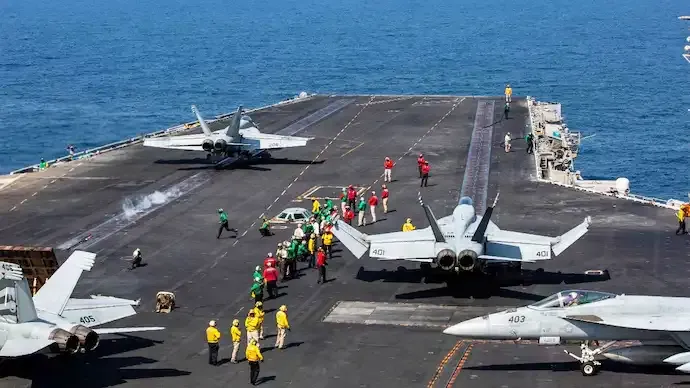
The ongoing conflict involving Iran is increasingly testing not only military capabilities but also financial endurance. The United States has now signaled confidence in its ability to sustain the war effort over a longer period.
Scott Bessent stated that the government has sufficient financial resources to continue operations without immediate strain.
“Plenty of Money” for War Effort
Speaking publicly, Bessent emphasized that the US has “plenty of money” to fund the war. He clarified that any additional funding request being prepared is supplemental in nature and not essential for ongoing military operations.

This statement aims to reassure both domestic audiences and global observers about the country’s financial stability during the conflict.
No Tax Increase Planned
The Treasury Secretary also ruled out any possibility of raising taxes to finance the war.
This assurance comes at a time when prolonged conflicts often lead to economic concerns among citizens, particularly regarding inflation and fiscal pressure.
Additional Funding from Congress
While current funding is deemed sufficient, the administration is preparing to approach Congress for additional financial support.
Such requests are typically part of long-term planning to ensure that resources remain available if the conflict continues.
War Becomes Test of Economic Endurance
As the war enters a prolonged phase, it is becoming a test of economic strength as much as military capability.
Sustaining large-scale operations requires significant financial planning, making economic resilience a key factor in modern conflicts.
Pentagon Signals Future Needs
The US Department of Defense has indicated that more funding may be required if the conflict continues.
This highlights the evolving nature of the situation, where financial requirements may increase depending on the scale and duration of operations.
Global Implications of Prolonged Conflict
The financial aspect of the war has broader global implications. Extended military engagement can influence global markets, energy prices, and economic stability.
Countries around the world are closely monitoring how the US manages both military and financial aspects of the conflict.
Balancing Economy and Strategy
The US administration appears focused on balancing economic stability with strategic objectives.
By maintaining current funding levels while preparing for future needs, the government aims to ensure continuity without immediate economic disruption.
Uncertain Duration of War
Despite financial assurances, the timeline of the conflict remains unclear.
The longer the war continues, the greater the pressure on resources, making long-term planning crucial for sustaining operations.





Conversation
Be kind and stay on topic. Comments are moderated; abuse, spam and personal attacks are removed. Report a problem