Fresh violence has erupted in southern Lebanon after Israeli airstrikes and drone attacks reportedly killed at least five people just hours after a ceasefire between Hezbollah and Israel came into effect.
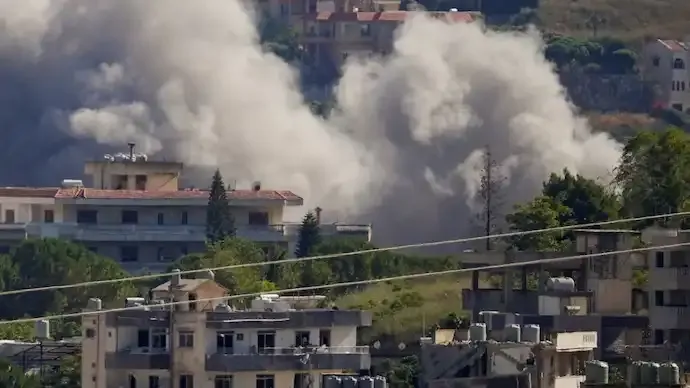
According to reports from Lebanese media, multiple strikes targeted areas in the Nabatieh region overnight, raising concerns about the durability of the newly announced truce and the possibility of renewed escalation along the Israel-Lebanon border.
The latest developments have intensified international attention on the region, where months of conflict have already caused significant casualties and displacement.
Airstrikes Reportedly Target Nabatieh Region
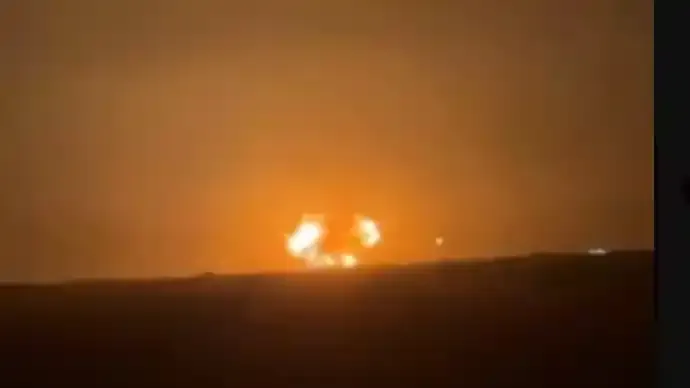
Lebanese media reports stated that Israeli warplanes and drones carried out a series of attacks across the Nabatieh region during the night and early morning hours.
Several residential buildings and homes were reportedly damaged or destroyed during the strikes. Artillery shelling was also reported in and around Nabatieh before dawn, adding to fears among local residents already affected by months of instability.
Emergency teams were deployed to assess damage and assist affected communities following the attacks.
Casualties Reported Despite Ceasefire
Initial reports indicated that at least five people were killed during the overnight operations. Authorities are continuing to verify casualty figures, and the number could change as rescue and assessment efforts continue.
The reported deaths have drawn attention because the strikes occurred shortly after a ceasefire arrangement was said to have taken effect. The incident has raised questions about the implementation and enforcement of the truce.
Humanitarian organizations and regional observers are closely monitoring developments as tensions remain high.
Concerns Over Stability of the Ceasefire
The latest military action has fueled uncertainty about whether the ceasefire can hold in the coming days.
Ceasefire agreements are often viewed as critical opportunities to reduce violence, facilitate humanitarian assistance, and create conditions for diplomatic engagement. However, violations or disputed military actions can quickly undermine confidence and trigger further escalation.
Analysts warn that continued hostilities could increase the risk of broader regional instability and complicate ongoing diplomatic efforts.
Border Tensions Continue to Shape Regional Security
The Israel-Lebanon border has witnessed repeated exchanges of fire and military activity over recent months. The conflict has affected communities on both sides of the border, forcing evacuations and increasing security concerns.
Military operations involving airstrikes, drones, artillery, and rocket attacks have become frequent features of the conflict, drawing international calls for restraint and de-escalation.
Regional and global powers continue to urge all parties to avoid actions that could further destabilize the situation.
International Community Watches Closely
The latest strikes are expected to attract scrutiny from international organizations and foreign governments monitoring developments in the Middle East.
Diplomatic efforts aimed at reducing tensions remain ongoing, with many countries emphasizing the importance of respecting ceasefire agreements and protecting civilian lives.
As investigations and assessments continue, officials are expected to provide further details regarding casualties, damage, and the circumstances surrounding the reported attacks.
The situation remains fluid, and observers fear that any further escalation could jeopardize hopes for a sustained period of calm in southern Lebanon.
Prev Article
Dominican Republic Hotel Fire Kills One, Forces Evacuation of Nearly 1,700 Tourists
Next Article
Explosion at Qatar's Barzan Gas Facility Leaves 54 Injured, 18 Missing During Start-Up Operations