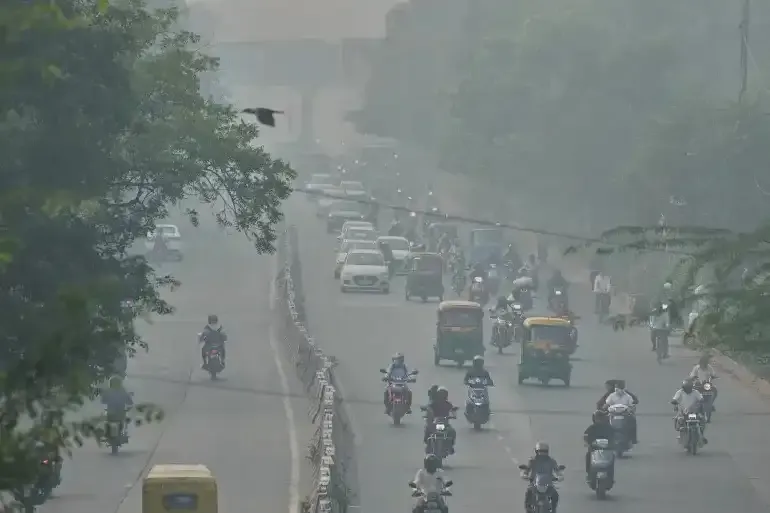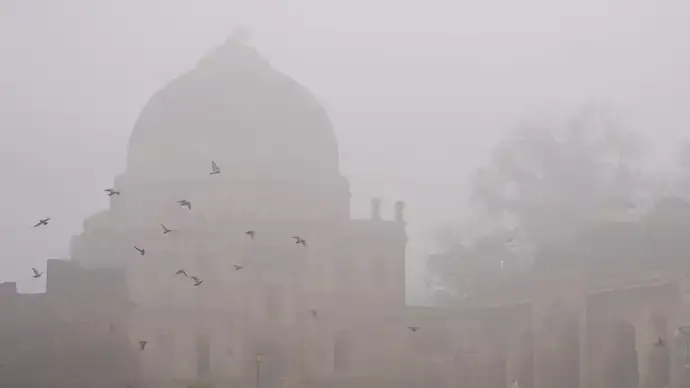
Air pollution levels across the world have worsened significantly, with South Asia emerging as the most affected region. According to the latest global air quality findings, India is home to the world’s most polluted city, while Pakistan has been ranked as the most polluted country overall.
India Among Most Polluted Nations
The 2025 global air quality assessment by IQAir ranks India sixth among the world’s most polluted countries. The country recorded an average PM2.5 concentration of 48.9 µg/m³, which is nearly ten times higher than the safe limit set by the World Health Organization.
Despite not topping the country-level list, India continues to face severe urban pollution challenges.
Pakistan Tops Global Pollution Ranking
Pakistan has been identified as the most polluted country globally, reflecting extremely high levels of fine particulate matter (PM2.5). Cities like Lahore have repeatedly recorded hazardous air quality levels, impacting public health and daily life.
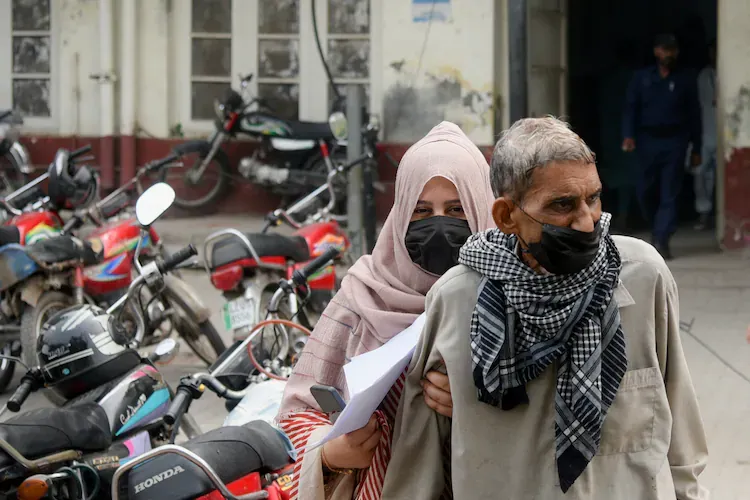
The ranking highlights the scale of the air quality crisis across the region.
Only 14% Cities Meet WHO Standards
The report reveals a concerning global trend—only 14% of cities worldwide met the WHO’s annual PM2.5 guideline in 2025, down from 17% in the previous year.
This decline indicates that air pollution is worsening globally, with more cities failing to meet basic air quality standards.
Health Risks Continue to Rise
High PM2.5 levels are linked to serious health conditions, including:
- Respiratory diseases
- Cardiovascular problems
- Reduced life expectancy
The growing pollution levels are increasing the burden on healthcare systems, especially in densely populated regions.
Why South Asia Is Most Affected
Several factors contribute to high pollution levels in South Asia:
- Rapid urbanisation and industrial growth
- Vehicular emissions
- Construction dust and biomass burning
- Seasonal weather patterns trapping pollutants
These combined factors create persistent smog conditions, particularly in major cities.
Urgent Need for Action
Experts emphasise the need for stronger policy interventions, cleaner energy adoption, and stricter emission controls to address the crisis.
Without immediate action, air quality is expected to deteriorate further, affecting millions of lives.