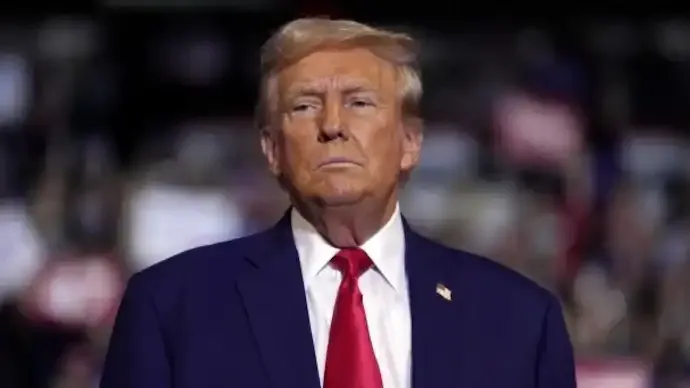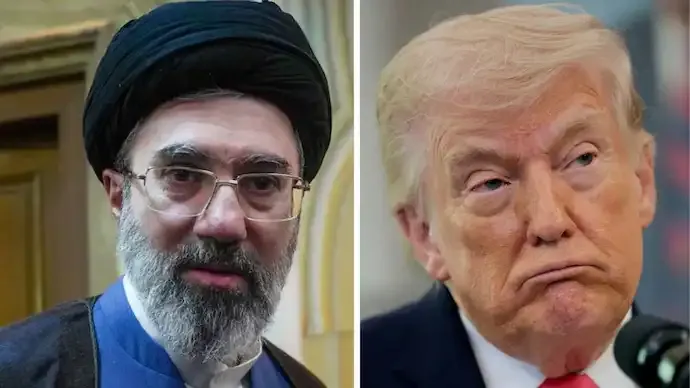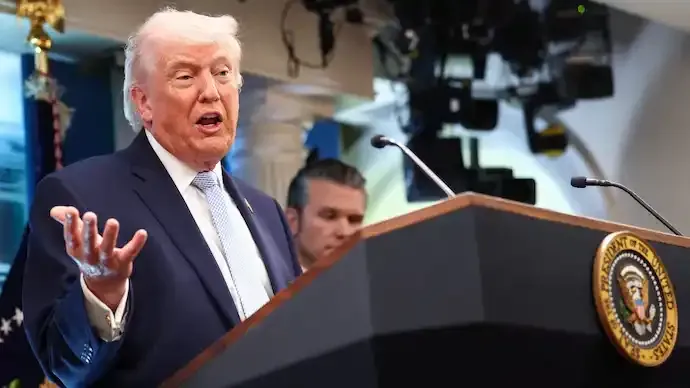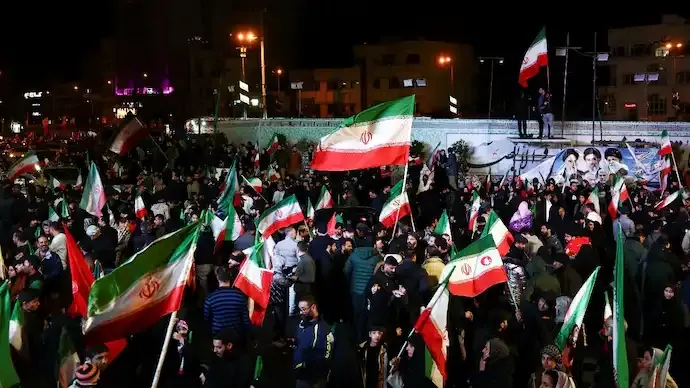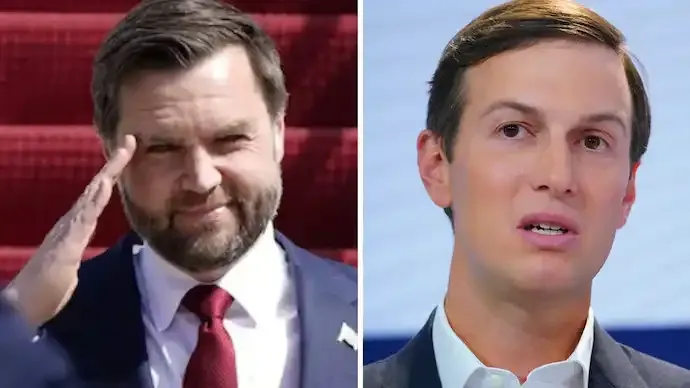
A new twist has emerged in the ongoing West Asia conflict as Iran reportedly indicates a preference for engaging with JD Vance over key figures associated with Donald Trump. The development highlights a strategic shift in diplomatic signaling and reflects deeper mistrust in existing negotiation channels.
Iran’s Clear Preference in Negotiation Channels
According to emerging reports, Iran has conveyed through backchannel communications that it is unwilling to engage with Trump’s close aides for peace negotiations.
Notably, figures such as Jared Kushner and Steve Witkoff have reportedly been rejected as potential interlocutors. Instead, Tehran appears more open to discussions led by Vice President JD Vance.
This move is being interpreted as a deliberate attempt to reshape the diplomatic framework.
Strategic Signaling or Diplomatic Pressure?
Iran’s preference is seen by analysts as more than a personal choice—it reflects a calculated strategy. By favouring JD Vance, Tehran may be attempting to:
- Engage with a different power centre within the US administration
- Signal distrust toward Trump’s inner circle
- Influence the structure and direction of future negotiations
Such positioning adds a new layer of complexity to already strained diplomatic relations.
Underlying Mistrust in Existing Negotiators
The rejection of Trump’s trusted aides indicates a lack of confidence in their ability to deliver a balanced or credible agreement. Iran’s stance suggests concerns over previous negotiation outcomes and perceived biases.
This mistrust could complicate efforts to establish a unified negotiation platform between the two sides.
Shifting Power Dynamics in US-Iran Relations
The development also raises questions about internal dynamics within the United States’ approach to the conflict. Iran’s outreach to JD Vance may be an attempt to identify a more acceptable or pragmatic channel for dialogue.
It also reflects how diplomatic negotiations are increasingly influenced by perceptions of leadership, credibility, and trust.
Impact on Ongoing Conflict
As tensions continue between Iran, the United States, and Israel, the choice of negotiation representatives could play a critical role in determining the path forward.
Any delay or disagreement over negotiation channels may further prolong the conflict and reduce the chances of immediate de-escalation.
What Lies Ahead
The situation underscores the fragile nature of diplomacy in high-stakes conflicts. With Iran setting conditions not just on terms but also on negotiators, the path to peace talks appears increasingly complex.
Whether this shift leads to renewed dialogue or deeper stalemate will depend on how both sides respond to these evolving dynamics.