
The ongoing West Asia conflict has raised fresh concerns about global energy supply chains, particularly affecting the availability and pricing of LPG used in households. As dependency on fossil fuels comes under pressure, alternative cooking solutions are gaining attention across India.
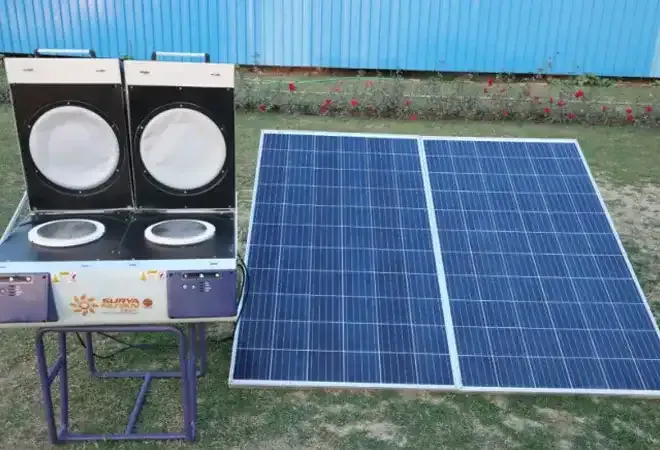
One such emerging solution is the solar stove technology, which is being positioned as a sustainable and scalable alternative to conventional LPG-based cooking.
Rising LPG Concerns Amid Global Tensions
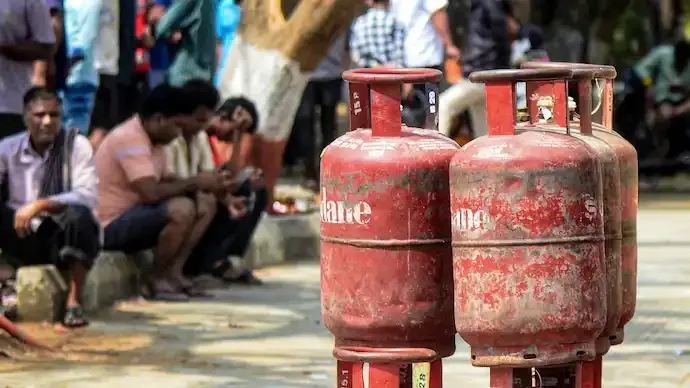
With geopolitical instability impacting fuel supply routes, countries like India—heavily reliant on LPG imports—are facing potential disruptions. This has brought renewed focus on energy independence and the need for decentralised solutions in everyday consumption, especially in household kitchens.
Experts believe that prolonged disruptions could significantly impact affordability and accessibility of LPG, making alternatives not just optional but necessary.
Solar Stove Technology Gains Attention
A solar stove based on thermal energy storage technology is being highlighted as a viable alternative to traditional cooking methods. Unlike conventional solar cookers that depend on direct sunlight, this system stores heat energy, allowing users to cook even when sunlight is not available.
This feature makes it more practical for daily use across different regions and weather conditions.
Key Features and Potential Impact
The solar stove solution offers several claimed advantages:
- Significant reduction in LPG usage, potentially lowering household fuel expenses
- Thermal storage capability that supports cooking beyond daylight hours
- Scalable model that can be adopted in both urban and rural settings
In addition, the technology is being linked to broader energy benefits, including potential contributions to grid-connected energy storage and reduced fossil fuel dependency.
Sustainability and Policy Relevance
The innovation aligns with India’s clean energy goals and sustainability targets. It also has the potential to impact multiple sectors, including rural development, renewable energy, and climate action initiatives.
With increasing focus on achieving Sustainable Development Goals (SDGs), such solutions could support government efforts in promoting eco-friendly and cost-effective energy alternatives.
Scope for Government Integration
As discussions around energy security intensify, technologies like solar stoves may find relevance in policy frameworks and government initiatives. Experts suggest that pilot programs, institutional adoption, and subsidies could accelerate their adoption.
The coming months may see greater engagement between innovators and policymakers to explore practical deployment strategies.
A Step Towards Energy Independence
While still evolving, solar cooking technology represents a shift towards self-reliant and sustainable energy use. As global uncertainties continue, such innovations could play a crucial role in reducing dependence on imported fuels and ensuring long-term resilience.




Conversation
Be kind and stay on topic. Comments are moderated; abuse, spam and personal attacks are removed. Report a problem