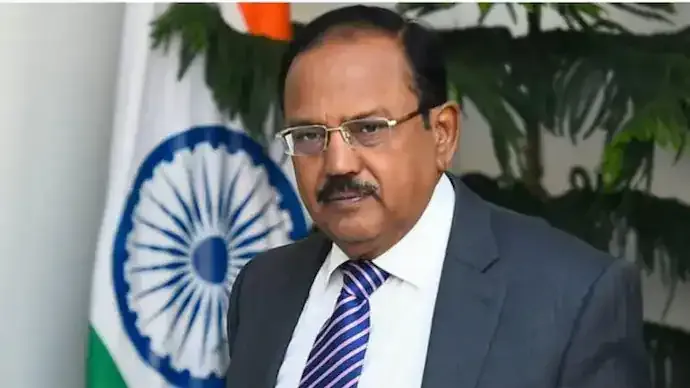
India's National Security Advisor Ajit Doval has called for deeper cooperation among BRICS nations to address a rapidly evolving global security landscape marked by rising non-traditional threats, geopolitical tensions, and weakening conflict-resolution mechanisms.
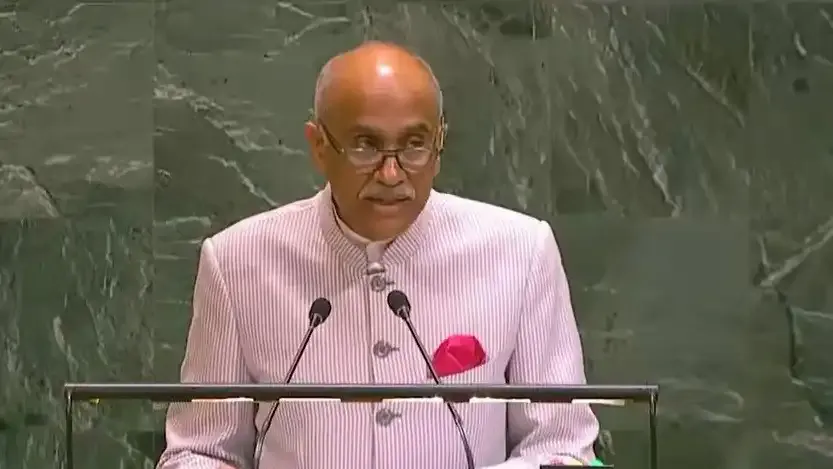
Speaking at the 16th BRICS National Security Advisers' Meeting in New Delhi, Doval emphasized that BRICS countries have a critical role to play in promoting stability and tackling emerging global challenges that increasingly transcend national borders.
His remarks come at a time when the world is witnessing growing concerns related to cyber threats, terrorism, geopolitical conflicts, economic disruptions, and technological vulnerabilities.
Doval's Message at the BRICS Security Meeting
Addressing security chiefs from BRICS member countries and partner nations, Doval highlighted the need for stronger international cooperation to respond to modern security challenges.
Representatives from countries including:
- India
- Russia
- China
- Brazil
- South Africa
- Iran
participated in the discussions focused on security cooperation and geopolitical developments.
According to Doval, traditional systems that have historically helped resolve international disputes are facing increasing strain, making coordinated action more important than ever.
What Are Non-Traditional Security Threats?
Unlike conventional military threats, non-traditional security challenges often emerge across borders and affect multiple countries simultaneously.
Examples of Non-Traditional Threats
- Cyberattacks
- Terrorism
- Transnational crime
- Disinformation campaigns
- Energy security risks
- Food security concerns
- Health emergencies
- Artificial intelligence misuse
- Critical infrastructure attacks
These threats frequently require multinational cooperation because they cannot be effectively addressed by a single country acting alone.
Why BRICS Matters in the Current Global Environment
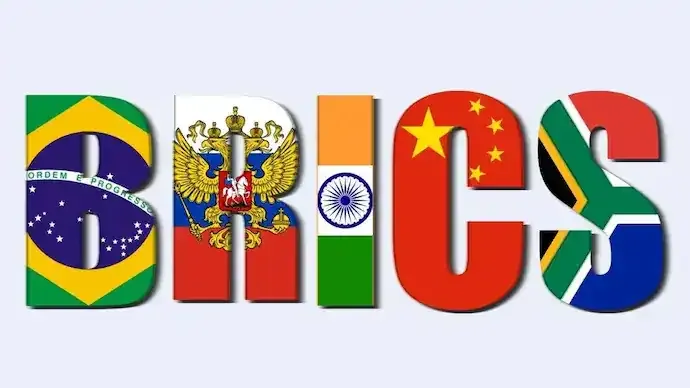
BRICS has evolved into one of the most influential multilateral groupings in the world.
BRICS Member Countries
- Brazil
- Russia
- India
- China
- South Africa
The grouping has expanded its engagement with additional partner countries and increasingly addresses issues beyond economics, including security, technology, and geopolitical cooperation.
Doval stressed that BRICS can play a meaningful role in shaping responses to emerging global risks.
Growing Geopolitical Instability
The National Security Advisor noted that the international system is experiencing significant uncertainty.
Major Challenges Facing the World
- Regional conflicts
- Strategic rivalries
- Economic disruptions
- Technological competition
- Security threats crossing borders
These developments have increased the importance of dialogue among major emerging economies.
Counter-Terrorism Remains a Priority
One of the recurring themes in BRICS security discussions has been counter-terrorism cooperation.
India has consistently advocated stronger global action against:
- Cross-border terrorism
- Terror financing
- Radicalisation
- Extremist networks
Security experts view intelligence-sharing and coordinated efforts as essential tools in addressing such challenges.
Cyber Security and Technology Risks
The rise of digital technologies has introduced new vulnerabilities for governments, businesses, and citizens.
Key Concerns
- Cyber espionage
- Ransomware attacks
- Data breaches
- Artificial intelligence risks
- Digital infrastructure security
Countries increasingly recognise that cyber threats can have significant economic and national security consequences.
Importance of Multilateral Cooperation
Doval's remarks underscored the growing need for countries to work together despite geopolitical differences.
Areas Where Cooperation Is Essential
- Security coordination
- Intelligence sharing
- Crisis management
- Technology governance
- Counter-terrorism efforts
Multilateral platforms such as BRICS provide opportunities for dialogue on these issues.
India's Role in BRICS
India has remained one of the most active members of the BRICS grouping.
India's Key Priorities
- Global security
- Economic cooperation
- Technology partnerships
- Counter-terrorism measures
- Reform of global institutions
As host of the security meeting, India sought to encourage greater collaboration among member countries and partners.
Why the Meeting Is Significant
The BRICS National Security Advisers' Meeting comes at a time when international security challenges are becoming increasingly interconnected.
The discussions provide an opportunity for countries to:
- Exchange perspectives
- Identify common concerns
- Explore cooperative solutions
- Strengthen diplomatic engagement
Such meetings often influence broader policy discussions within the BRICS framework.
What Happens Next?
Security cooperation is expected to remain a major topic on the BRICS agenda in the coming months.
Future discussions may focus on:
- Emerging technologies
- Cyber resilience
- Counter-terrorism cooperation
- Economic security
- Regional stability
As global challenges continue evolving, the role of multilateral forums is likely to become even more important.
Conclusion
At the 16th BRICS National Security Advisers' Meeting in New Delhi, Ajit Doval warned that the world is facing increasingly complex non-traditional security threats at a time when traditional conflict-resolution mechanisms are under strain. Calling for deeper cooperation among BRICS nations and partner countries, he emphasized the need for collective action to address challenges ranging from terrorism and cyber threats to geopolitical instability. His remarks reflect the growing importance of multilateral cooperation in an increasingly interconnected and uncertain global environment.
FAQ SECTION
Q1. What did Ajit Doval say at the BRICS meeting?
He warned about rising non-traditional security threats and called for stronger cooperation among BRICS countries.
Q2. What are non-traditional security threats?
They include cyberattacks, terrorism, disinformation, health emergencies, energy security issues, and transnational crime.
Q3. Where was the BRICS security meeting held?
The 16th BRICS National Security Advisers' Meeting was held in New Delhi.
Q4. Which countries participated?
Representatives from BRICS nations and partner countries, including India, Russia, China, Brazil, South Africa, and Iran, attended.
Q5. Why is BRICS important in global security discussions?
BRICS represents major emerging economies and provides a platform for cooperation on international issues.
Q6. What challenges did Doval highlight?
He pointed to geopolitical instability, weakening conflict-resolution mechanisms, cyber threats, and other emerging security risks.