

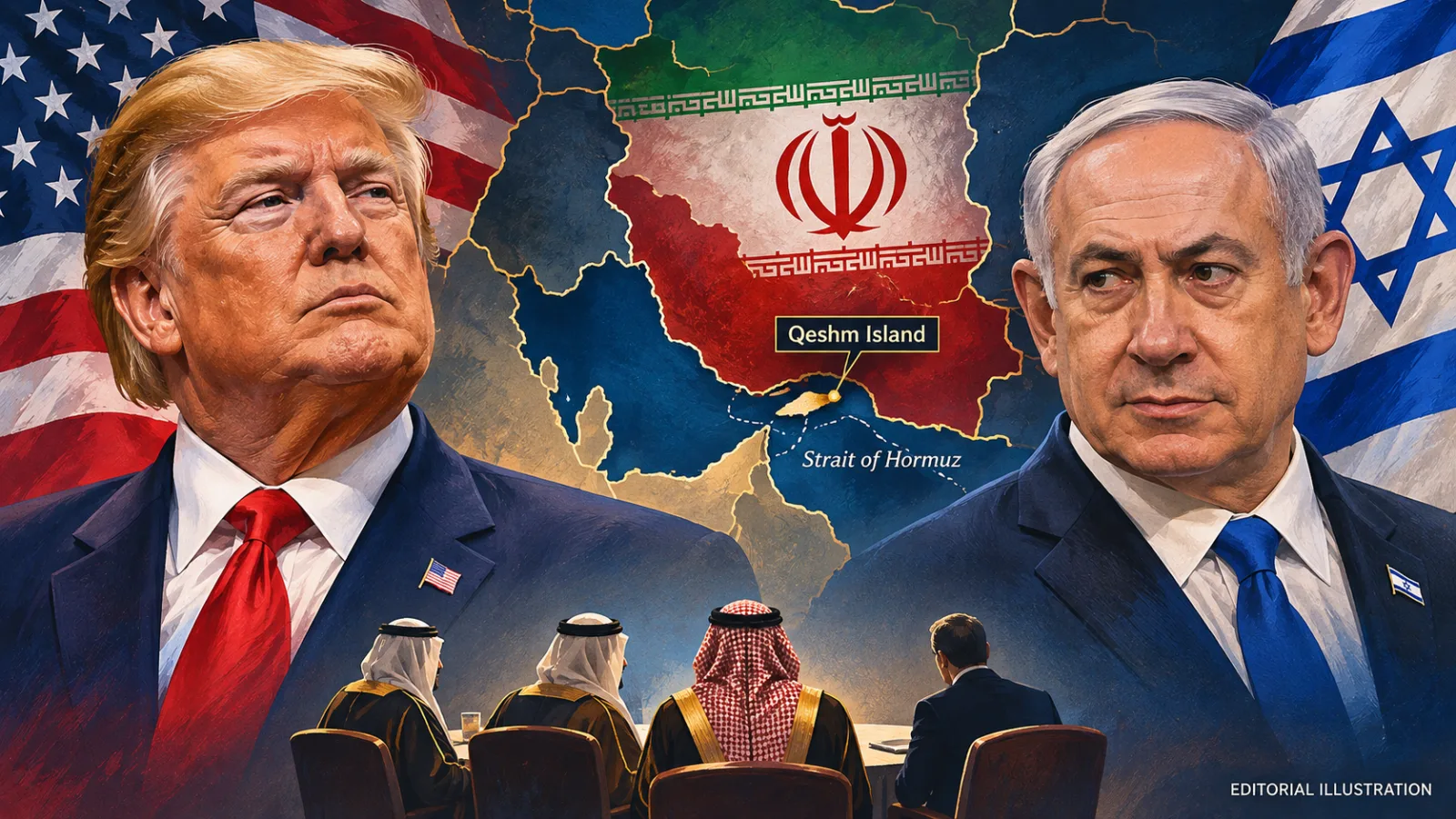

WASHINGTON, November 10, 2026: Israeli Prime Minister Benjamin Netanyahu has reportedly been urging US President Donald Trump to launch fresh strikes against Iran, even as Washington explores a diplomatic settlement to end months of fighting.
According to a Financial Times report published on November 9, Netanyahu has been contacting Trump almost daily to press for renewed military action. The reported appeals have come at a sensitive moment, with Gulf leaders seeking to prevent another escalation and American officials weighing the terms of a possible agreement with Tehran.
The White House has not publicly confirmed the frequency or contents of the reported calls.

Netanyahu Reportedly Wants Trump to Restart Iran War
The Financial Times cited a person briefed on the discussions as saying Netanyahu was calling Trump every day to encourage a return to military operations.
The source said officials who oppose further fighting, both inside and outside the White House, were trying to persuade Trump to continue negotiations instead.
The British newspaper also cited another person familiar with developments in Israel who said Netanyahu supported renewed military action but disputed the suggestion that an organised effort was underway to pressure Trump.
The accounts point to differences over how Washington should approach Tehran, although the details of the private conversations have not been independently confirmed.
Netanyahu has consistently argued that Iran's military and nuclear capabilities pose a serious threat to Israel. His reported preference for further strikes contrasts with the more cautious position now being expressed by several governments in the Gulf.
Trump Says Renewed Strikes on Iran Are Unlikely
Trump offered a different assessment of the conflict following talks with Qatari Prime Minister Sheikh Mohammed bin Abdulrahman Al Thani at the White House on Monday.
Speaking to reporters, the US president said the war was militarily effectively over and suggested Washington could maintain its current approach rather than begin another major offensive.
He also described diplomatic efforts as making progress, while stressing that American forces remained prepared to respond if circumstances changed.
His remarks did not amount to a formal declaration that the war had ended. The United States continues to maintain a naval blockade affecting Iranian ports, and its military has carried out limited strikes despite the broader pause in fighting.
Trump has also insisted that any lasting settlement must address concerns about Iran's nuclear programme.
Qeshm Island Strikes Show Tensions Remain
The diplomatic discussions follow renewed American military activity around Qeshm Island in the Strait of Hormuz.
US officials confirmed limited strikes on the Iranian island in early November, describing them as defensive operations in response to threats against American assets.
Iranian media reported explosions on Qeshm Island, while Trump later acknowledged another limited American operation against Iranian air defence equipment.
The incidents demonstrated that the military confrontation had not ended, despite the absence of a wider bombing campaign.
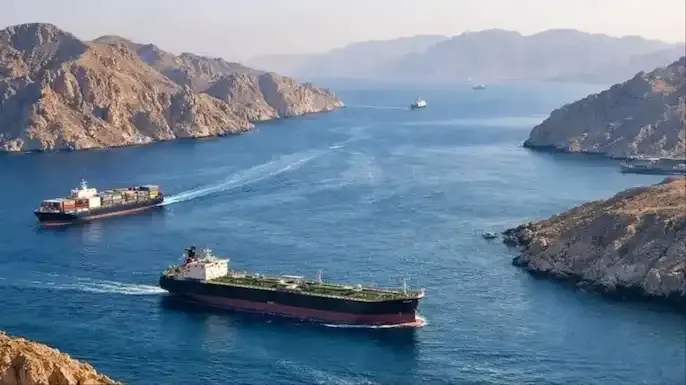
The Strait of Hormuz remains central to the dispute. The waterway is one of the world's most important routes for oil and gas shipments, making developments around it significant for international trade and energy markets.
Gulf Leaders Urge Washington to Prioritise Diplomacy
While Netanyahu is reportedly advocating further military action, several Middle Eastern leaders have encouraged Trump to avoid another offensive.
The Financial Times reported that leaders from Qatar, Saudi Arabia, the United Arab Emirates and Turkey had contacted the US president in recent days to support continued negotiations.
Among those involved were Saudi Crown Prince Mohammed bin Salman, UAE President Sheikh Mohamed bin Zayed Al Nahyan, Qatari Emir Sheikh Tamim bin Hamad Al Thani and Turkish President Recep Tayyip Erdogan.
Their concerns centre on the possibility that renewed American attacks could provoke Iranian retaliation against infrastructure and military installations across the region.
Qatar has emerged as an important intermediary in efforts to secure an interim understanding between Washington and Tehran.
Following his meeting with the Qatari prime minister, Trump indicated that several regional governments preferred maintaining the current military position while negotiations continued.
What Is Holding Up a US-Iran Peace Agreement?
The main disagreement concerns the conditions under which both sides would reduce military and economic pressure.
According to the Financial Times, mediators have been discussing an interim arrangement that could allow commercial shipping to resume through the Strait of Hormuz in exchange for Washington easing its blockade of Iranian ports and permitting some oil exports.
Iran has also sought access to frozen assets held overseas.
A broader settlement would need to address Tehran's nuclear programme, including its stockpile of highly enriched uranium and the question of international inspections.
Washington has demanded restrictions on Iran's nuclear activities, while Iranian officials have rejected proposals requiring the removal of their enriched uranium stockpile from the country.
The sequence of concessions remains a major obstacle. Neither side has publicly announced an agreement resolving these differences.
Why the Iran War Is Becoming a Political Challenge for Trump
The conflict has also become a domestic political issue in the United States.
The Republican Party lost control of both chambers of Congress in the November midterm elections. The prolonged war, rising fuel prices and concerns about its economic consequences featured prominently in the political debate.
Trump has since placed greater emphasis on the possibility of a negotiated outcome, although he has continued to warn that further military action remains an option.
The competing appeals from Israel and Gulf governments leave Washington facing a difficult diplomatic choice.
For now, the administration appears to be allowing negotiations more time. Whether that approach produces an agreement will depend on progress over sanctions, shipping access and Iran's nuclear programme.
No final settlement has been reached, and the possibility of renewed fighting remains.



Conversation
Be kind and stay on topic. Comments are moderated; abuse, spam and personal attacks are removed. Report a problem