The killing of Ali Larijani during the ongoing conflict has sparked debate among analysts about its long-term impact. While the move was seen as part of a broader strategy to weaken Iran’s leadership, experts believe it may have unintended consequences.
Targeting Leadership to Weaken Iran
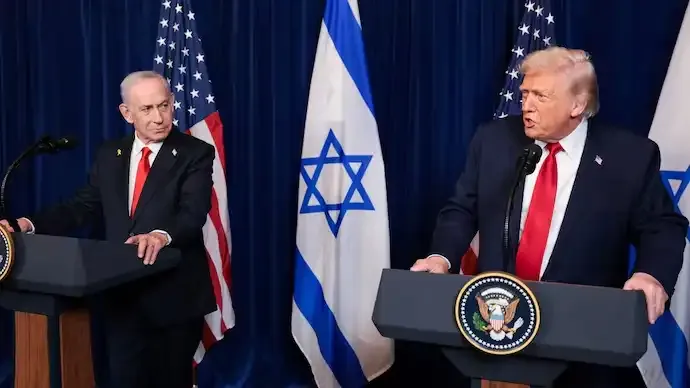
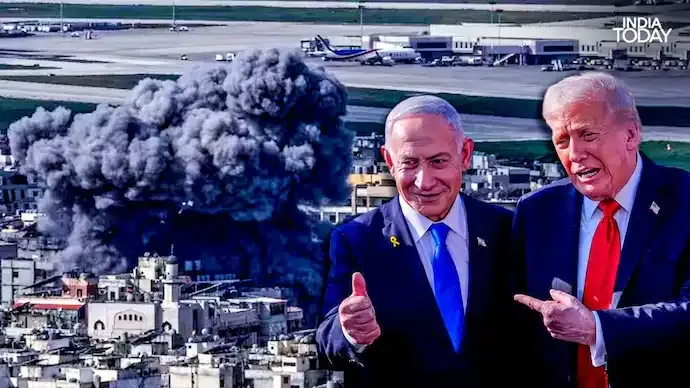
The US and Israel have been focusing on targeting key figures within Iran’s leadership structure, aiming to disrupt decision-making and reduce strategic coordination.
Larijani, who played a crucial role in shaping Iran’s military and diplomatic responses, was considered a significant figure in this strategy.
Why Larijani Was Seen as a Pragmatic Voice
Unlike many hardline figures, Larijani was often viewed as a consensus-builder who could balance military strategy with diplomatic engagement. His presence was believed to offer space for negotiation and dialogue.
By removing such a figure, the chances of diplomatic solutions may have reduced significantly.
Risk of Strengthening Hardline Control
Experts suggest that Larijani’s death could push Iran further towards hardline leadership. Without moderating voices, decision-making may become more rigid and aggressive.
This shift could lead to prolonged conflict and reduced chances of de-escalation.
Impact on Future Peace Negotiations
The absence of a pragmatic leader may limit opportunities for back-channel talks or diplomatic breakthroughs. This could make it more difficult for international players to engage with Iran in a constructive manner.
As a result, the conflict may become more entrenched and harder to resolve.
Could This Prolong the War?
Some analysts believe that such actions could unintentionally extend the duration of the conflict. A stronger hardline stance may lead to escalation rather than resolution.
This raises questions about whether the strategy will achieve its intended goals or create new challenges.
What This Means for Global Stability
The development has implications beyond the region, affecting global security and geopolitical dynamics. As tensions continue, the focus remains on how leadership changes influence the course of the conflict.
The situation highlights the complexity of modern warfare, where strategic decisions can have far-reaching consequences.