

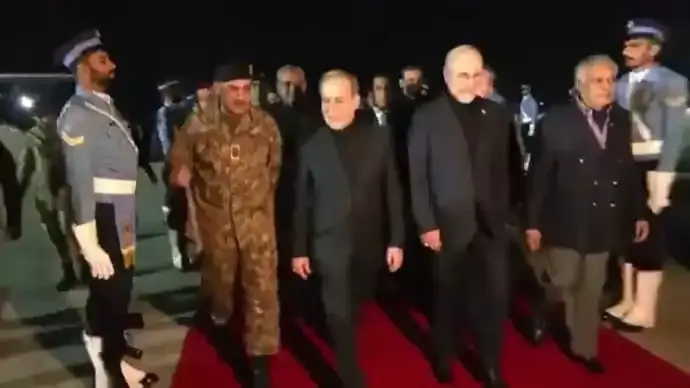

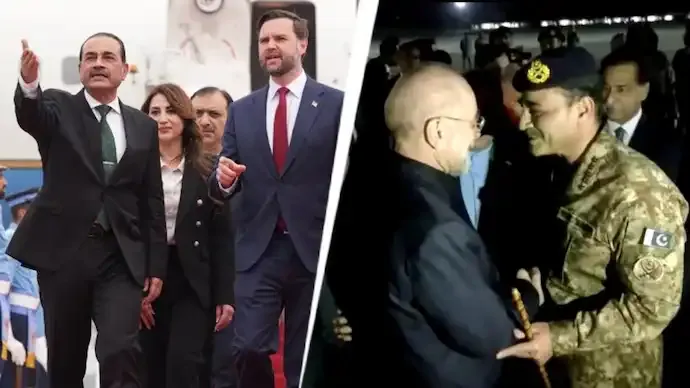
A senior delegation from Iran has arrived in Islamabad to begin crucial peace negotiations with the United States. The delegation is led by Mohammad Baqer Qalibaf, marking a significant moment in ongoing diplomatic efforts to resolve tensions between the two nations.
The arrival signals the start of an important phase in negotiations that could influence regional stability and global geopolitical dynamics.
Iran Sets Clear Preconditions Before Talks Begin
Shortly after reaching Islamabad, Iranian officials made it clear that negotiations would only proceed if Washington agrees to specific preconditions set by Tehran. This firm stance highlights Iran’s strategic approach and its intent to negotiate from a position of strength.

While the exact nature of these preconditions has not been publicly disclosed, analysts believe they could include demands related to sanctions relief, security assurances, or policy commitments.
Firm Diplomatic Messaging from Tehran
Iran’s insistence on preconditions reflects a broader diplomatic strategy aimed at ensuring meaningful and result-oriented discussions. By setting terms upfront, Tehran appears to be signaling that it is not willing to engage in open-ended talks without clear commitments.
This approach also underscores the level of mistrust that continues to exist between the two countries, despite ongoing efforts to initiate dialogue.
Critical Moment for US-Iran Relations
The talks in Islamabad come at a time of heightened global attention, as tensions between Iran and the United States have significant implications for international security and economic stability. The outcome of these negotiations could impact global oil markets, regional alliances, and future diplomatic engagements.
Experts suggest that while both sides have shown willingness to engage, the presence of strict conditions may complicate the negotiation process.
Challenges Ahead for Peace Negotiations
The path toward a successful agreement remains uncertain. Differences in political priorities, security concerns, and strategic interests could pose challenges during discussions.
However, the fact that both sides are preparing for talks is seen as a positive step toward dialogue, even if progress is gradual.
Global Focus on Islamabad Talks
The international community is closely monitoring the developments in Islamabad, as the negotiations could shape the future of Middle East diplomacy. A breakthrough could ease tensions and open new avenues for cooperation, while failure may prolong uncertainty.
As talks unfold, attention remains on whether both sides can bridge their differences and move toward a sustainable resolution.




Conversation
Be kind and stay on topic. Comments are moderated; abuse, spam and personal attacks are removed. Report a problem